Skip to content
MindWorX Services   

   Mindworx’s Services

Psychomotor Therapy in Hong Kong

Support development through movement, emotional regulation, and body-based therapy.

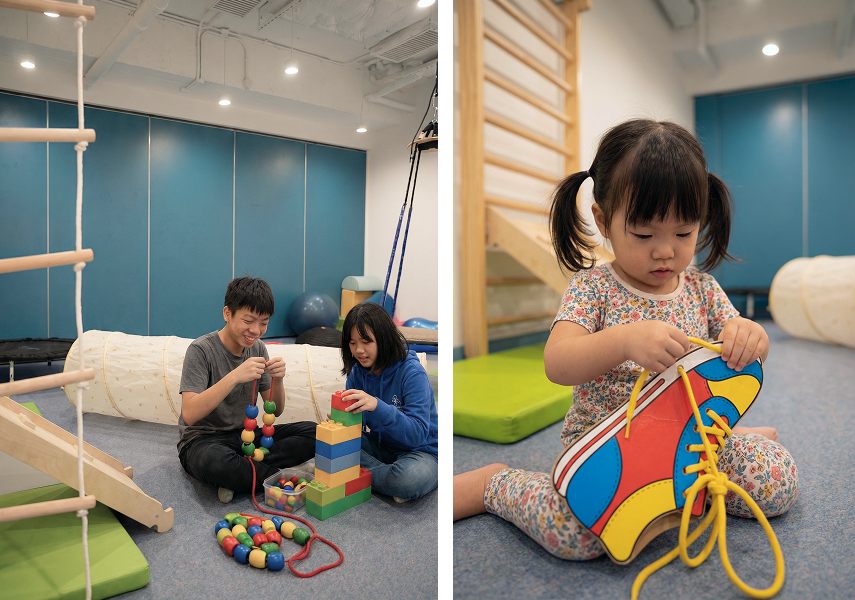
collage of kids playing with toys in the room

What is Psychomotor Therapy?

Psychomotor therapy is a therapeutic approach that explores the connections between the body, emotions, cognition, and relationships with others.

Psychomotor therapy is grounded in neuroscience, developmental neurology, and neuropsychology. It relies on research showing how motor skills, emotions, attention, and sensory processing are linked to brain development. This scientific foundation guides assessment, goal‑setting, and therapeutic interventions.

It supports children, adolescents, and adults who experience challenges in their development, behaviour, attention, motor skills, sensory processing, or emotional regulation.

What is the Goal of Psychomotor Therapy?

The goal is to promote overall development and well‑being by working through movement and body‑based activities on:

  • Gross and fine motor skills
  • Attention and executive functions
  • Emotional regulation
  • Sensory processing
  • Coordination, muscle tone, and posture
    social skills
  • Adaptation to daily life

Psychomotor therapy uses play, movement, sensory exploration, and creative activities to foster meaningful and lasting progress.
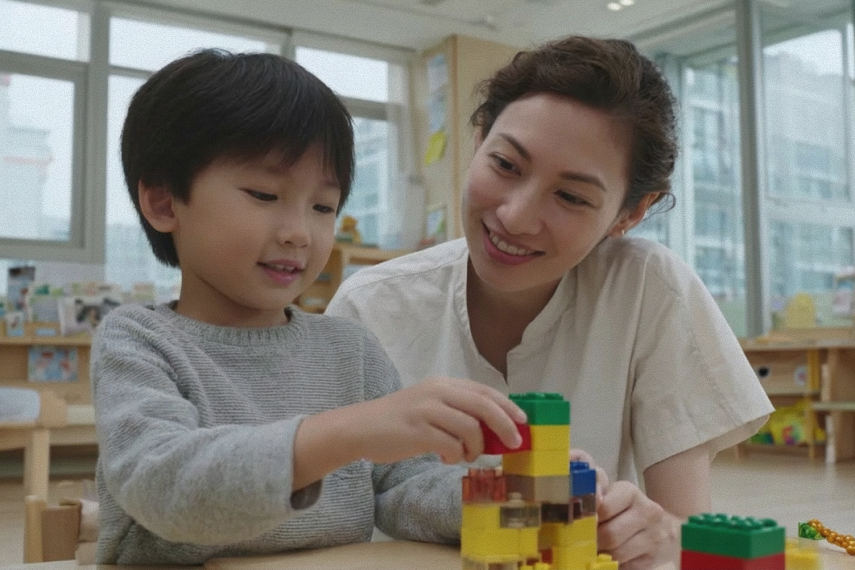

kids and doctor playing legos
girl holding a playdough smiling

Why is a Standardised Psychomotor Assessment Important?

A psychomotor assessment is a key step in understanding an individual’s global functioning.
It combines clinical observations with standardised tests, allowing:

  • Identify strengths and areas of difficulty
  • Compare skills to age‑based norms
  • Establish a reliable psychomotor profile
  • Define clear, individualised therapeutic goals
  • Design a personalised and coherent intervention plan
  • Monitor progress over time
  • Communicate effectively with schools, physicians, and other professionals

A standardised assessment ensures a rigorous, objective, and recognised evaluation.

How Does a Psychomotor Therapy Session Work?

1. Welcome and Transition

A brief moment of connection helps the person settle in, regulate, and prepare for the session.

2. Targeted Therapeutic Activities

Based on the assessment, specific goals are defined for each individual.

The session may include:

  • Motor circuits, balance, and coordination activities
  • Graphomotor and fine motor exercises
  • Attention, inhibition, and planning tasks
  • Sensory‑based activities (tactile, vestibular, proprioceptive…)
  • Symbolic play and social scenarios
  • Relaxation, breathing, and body awareness work
  • Games to recognize different emotional states and use bodily strategies to regulate and modulate them

Activities are continuously adjusted according to the person’s rhythm, emotional state, and needs.

3. Closing and Return to Calm

The session ends with a grounding moment and, when appropriate, a brief exchange with parents or caregivers.

Regular Progress Reviews

To ensure the intervention remains aligned with the person’s needs, a formal re‑evaluation is carried out every six months.

This review measures progress, adjusts goals, and guides the next steps of the therapeutic plan.

Target Population

Psychomotor therapy is suitable for individuals of all ages who experience challenges in their development, behaviour, motor skills, sensory processing, or emotional regulation.


french doctor consulting a child

Our Services Support

  • Young children with developmental delays, sensory processing difficulties, motor coordination challenges, or emerging behavioural concerns

  • School‑aged children experiencing difficulties with attention, executive functions, handwriting, motor skills, social interactions, or emotional self‑regulation

  • Adolescents facing challenges related to body awareness, stress regulation, organisation, or motor and sensory integration

  • Adults seeking support for motor planning, body awareness, stress management, or the impact of neurodevelopmental or neurological conditions

  • Older adults experiencing changes in balance, coordination, mobility, or cognitive‑motor functioning

Psychomotor therapy is particularly beneficial for individuals with neurodevelopmental conditions such as ADHD, DCD/dyspraxia, visual-spatial perception delays, ASD, learning disorders, as well as those with sensory processing differences, motor delays, or difficulties adapting to daily life demands.

Our Psychomotor Therapist

Ready to help your loved one communicate with confidence?

Book a Psychomotor Therapy Assessment with our psychomotor therapist in Hong Kong today.

FAQs about Psychomotor Therapy (Children)

At what age should I consider a psychomotor assessment?

If you notice persistent challenges in coordination, sensory processing, emotional regulation, attention, or handwriting, an assessment can help clarify needs and next steps.

How long is a psychomotor therapy session?

Each session lasts approximately 45 minutes.

Can parents be involved?

Yes, when appropriate, parent/caregiver input and brief feedback can help support consistency at home.

How often will my child need therapy?

Frequency depends on the assessment findings, goals, and your child’s needs. Your therapist will recommend a plan.

How do we track progress?

A formal re-evaluation is carried out every six months to measure progress and adjust goals. 

FAQs about Psychomotor Therapy (Adolescents & Adults)

Is psychomotor therapy only for children?

No, psychomotor therapy can support adolescents, adults, and older adults with regulation, motor-cognitive skills, and daily functioning challenges. (Matches your target population.)

Is it covered by insurance?

Please check with your insurance provider. 

How long does it take to see results?

It depends on the goals and individual profile; progress is monitored over time with regular reviews.

Schedule an appointment

MindWorX Clinic

Rooms 2205–6, 22/F, New World Tower I, 16–18 Queen’s Road Central, Hong Kong

 Opening Hours

Mon - Wed - Fri: 09:00 - 18:00
Tues - Thurs: 09:00 - 19:00
Saturday: 08:00 - 13:00
Public Holidays: Closed

 Appointment Hotline

+852 2155 9055