 Central General Practice
 Repulse Bay
 Clearwater Bay
 BodyWorX Clinic
 Central Specialist Clinic
 MindWorX Clinic
 Family Clinic
 OT&P Annerley Midwives Clinic
 WellWorX Clinic
.png?width=120&name=Tim%20Trodd%20(1).png)
The Role of Lithium in Autism Spectrum Disorder
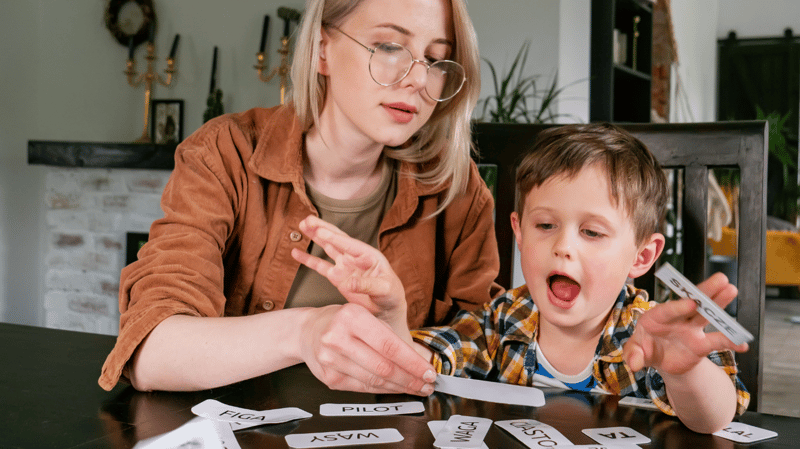
Lithium is an intriguing trace mineral that can be taken as a supplement or, at significantly higher doses, used as a treatment for bipolar disorder in children. When taken as a supplement, lithium is both affordable and easily accessible from retailers like iHerb. This blog delves deeper into the subject; however, please seek professional advice before commencing lithium supplementation.
Testing Lithium Levels in Children with Autism
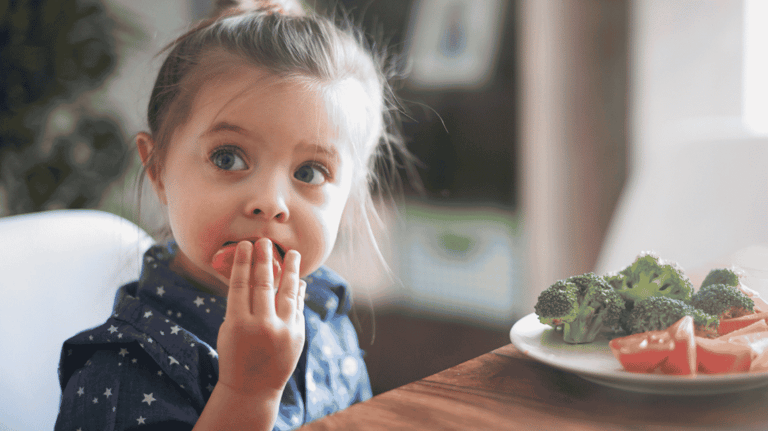
One of my standard assessments for children with Autism Spectrum Disorder (ASD) involves a Whole Blood Elements test. We often find that these children have low or low-normal lithium levels. This finding is noteworthy, as research suggests that low lithium levels may be linked to behavioural issues such as aggression and conduct disorders. Our experience indicates that supplementation with low doses of lithium can enhance behaviour in children with ASD.
The Link Between Environmental Lithium and Behavioural Issues
Studies have established correlations between lower levels of lithium in the environment—such as in drinking water—and increased rates of aggressive behaviour, violence, and behavioural disorders in children and adolescents. Furthermore, lithium has been used therapeutically to help manage aggression, conduct disorder, and bipolar disorder in children. This supports the notion that adequate lithium levels may contribute to emotional and behavioural stability. Lithium is also known to support neurodevelopment, potentially increasing grey matter volume, neurogenesis, and neuronal resilience—factors that are essential for healthy behavioural maturation.
Safety and Efficacy of Lithium Supplementation in Children
Lithium supplementation is generally safe for children. The doses used for treating bipolar disorder in children are usually safe and significantly higher than the amounts typically administered as a supplement. Nevertheless, it is crucial to consult a healthcare professional before beginning lithium supplementation.

.png?width=200&name=Tim%20Trodd%20(1).png)
Dr Tim Trodd
- MBBS (London)
- DCH (London)
- DRCOG (UK)
- MRCGP (UK)
- FHKAM (Family Medicine)

-4.png?width=768&name=%5BMKT%5DWebsite%20Blog%20Photo%20(23)-4.png)
-3.png?width=768&name=%5BMKT%5DWebsite%20Blog%20Photo%20(19)-3.png)

-2.png?width=768&name=%5BMKT%5DWebsite%20Blog%20Photo%20(15)-2.png)
-2.png?width=768&name=%5BMKT%5DWebsite%20Blog%20Photo%20(14)-2.png)
-4.png?width=768&name=%5BMKT%5DWebsite%20Blog%20Photo%20(13)-4.png)
-1.png?width=768&name=%5BMKT%5DWebsite%20Blog%20Photo%20(12)-1.png)
-3.png?width=768&name=%5BMKT%5DWebsite%20Blog%20Photo%20(11)-3.png)
![[Part 3] The Hidden Hormonal Control Centre: Your Gut and Testosterone Featured image](https://www.otandp.com/hs-fs/hubfs/%5BMKT%5DWebsite%20Blog%20Photo%20%288%29-2.png?width=768&name=%5BMKT%5DWebsite%20Blog%20Photo%20%288%29-2.png)
![[Part 2] Do You Have Low Testosterone? Tests & Treatment Explained Featured image](https://www.otandp.com/hs-fs/hubfs/%5BMKT%5DWebsite%20Blog%20Photo%20(7)-4.png?width=768&name=%5BMKT%5DWebsite%20Blog%20Photo%20(7)-4.png)
![[Part 1] The Silent Decline in Men's Testosterone and Sperm Counts Featured image](https://www.otandp.com/hs-fs/hubfs/%5BMKT%5DWebsite%20Blog%20Photo%20(6)-2.png?width=768&name=%5BMKT%5DWebsite%20Blog%20Photo%20(6)-2.png)































Related Blogs
References
-
Lima, D.S., Campos, L.R., Dantas Henrique, G.D.L., de Vasconcelos, A.V., Barbosa, L.M., Fragoso Dantas, B.G. et al. (2025) 'Effects of lithium treatment in pediatric patients with conduct disorder: a systematic review and a single-arm meta-analysis', European Psychiatry. doi:10.1192/j.eurpsy.2025.437.
-
Memon, A., Rogers, I., Fitzsimmons, S.M.D.D., Carter, B., Strawbridge, R., Hidalgo-Mazzei, D. and Young, A.H. (2020) 'Association between naturally occurring lithium in drinking water and suicide rates: systematic review and meta-analysis of ecological studies', British Journal of Psychiatry, 217(6), pp. 667–678. doi:10.1192/bjp.2020.128.
-
Strawbridge, R., Kerr-Gaffney, J., Cousins, D.A., Juruena, M.F. and Young, A.H. (2023) 'Identifying the neuropsychiatric health effects of low-dose lithium interventions: a systematic review', Neuroscience & Biobehavioral Reviews, 144, 104975. doi:10.1016/j.neubiorev.2022.104975.