 Central General Practice
 Repulse Bay
 Clearwater Bay
 BodyWorX Clinic
 Central Specialist Clinic
 MindWorX Clinic
 Family Clinic
 OT&P Annerley Midwives Clinic
 WellWorX Clinic
.png?width=120&name=Tim%20Trodd%20(1).png)
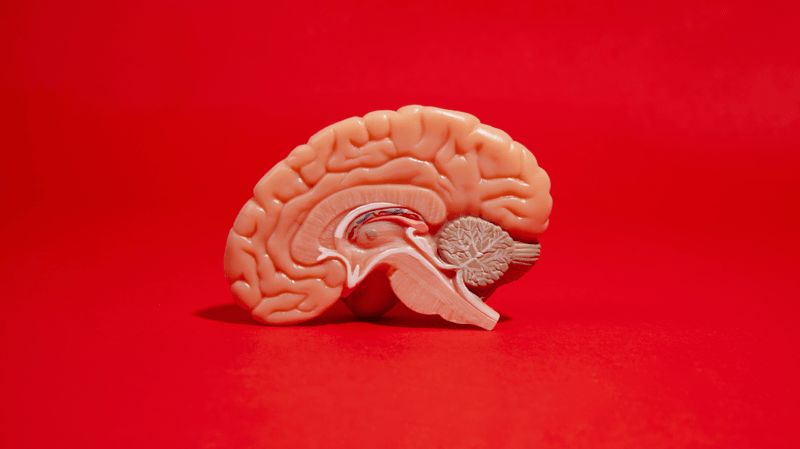
Lithium is a trace element that has been used for decades, in high doses, as a treatment for bipolar disorder. More recently, there has been interest in the neuroprotective effects of lithium in supplementation amounts, hundreds of times less than treatment doses. As a supplement, lithium is inexpensive and readily available from outlets such as iHerb.
Key Benefits of Lithium Supplementation
- Neuroprotection and Reduced Cell Death: Lithium helps protect neurons from cell death caused by various neurotoxic insults, thus preventing or slowing neurodegeneration in conditions such as Alzheimer's disease, Parkinson's disease, and traumatic brain injury.
- Inhibition of GSK-3 and Protein Aggregates: Lithium inhibits the enzyme glycogen synthase kinase-3 beta (GSK-3β), which plays a significant role in the development of amyloid plaques and tau tangles associated with Alzheimer's disease. This action helps lower the risk or severity of dementia.
- Anti-inflammatory and Antioxidant Effects: Lithium reduces inflammation and oxidative stress in the brain, both of which contribute to neuron loss and neurodegenerative progression.
- Promotion of Neurogenesis and DNA Stability: It supports brain-derived neurotrophic factor (BDNF) production, promotes neurogenesis, and aids DNA repair, which maintains brain plasticity and cognitive function.
- Autophagy and Synaptic Maintenance: Lithium enhances autophagy, helping cells clear toxic proteins, and preserves synaptic connections vital for cognitive performance.
Potential Protective Effects
Observational studies suggest lower rates of dementia and cognitive decline among individuals exposed to trace amounts of lithium, even in drinking water. Trace doses appear beneficial for the general population with fewer adverse effects, unlike higher therapeutic doses (such as those used in bipolar disorder) that require medical supervision due to potential toxicity.
Conclusion
In conclusion, lithium's multifaceted actions contribute to slowing or preventing neurodegeneration and dementia by directly protecting neurons, modulating disease-associated enzymes, reducing inflammation, and supporting neuronal repair and regeneration, with most consistent evidence emerging from preclinical models and epidemiology.

.png?width=200&name=Tim%20Trodd%20(1).png)
Dr Tim Trodd
- MBBS (London)
- DCH (London)
- DRCOG (UK)
- MRCGP (UK)
- FHKAM (Family Medicine)


-4.png?width=768&name=%5BMKT%5DWebsite%20Blog%20Photo%20(23)-4.png)
-3.png?width=768&name=%5BMKT%5DWebsite%20Blog%20Photo%20(19)-3.png)

-2.png?width=768&name=%5BMKT%5DWebsite%20Blog%20Photo%20(15)-2.png)
-2.png?width=768&name=%5BMKT%5DWebsite%20Blog%20Photo%20(14)-2.png)
-4.png?width=768&name=%5BMKT%5DWebsite%20Blog%20Photo%20(13)-4.png)
-1.png?width=768&name=%5BMKT%5DWebsite%20Blog%20Photo%20(12)-1.png)
-3.png?width=768&name=%5BMKT%5DWebsite%20Blog%20Photo%20(11)-3.png)
![[Part 3] The Hidden Hormonal Control Centre: Your Gut and Testosterone Featured image](https://www.otandp.com/hs-fs/hubfs/%5BMKT%5DWebsite%20Blog%20Photo%20%288%29-2.png?width=768&name=%5BMKT%5DWebsite%20Blog%20Photo%20%288%29-2.png)
![[Part 2] Do You Have Low Testosterone? Tests & Treatment Explained Featured image](https://www.otandp.com/hs-fs/hubfs/%5BMKT%5DWebsite%20Blog%20Photo%20(7)-4.png?width=768&name=%5BMKT%5DWebsite%20Blog%20Photo%20(7)-4.png)
![[Part 1] The Silent Decline in Men's Testosterone and Sperm Counts Featured image](https://www.otandp.com/hs-fs/hubfs/%5BMKT%5DWebsite%20Blog%20Photo%20(6)-2.png?width=768&name=%5BMKT%5DWebsite%20Blog%20Photo%20(6)-2.png)





















































References
-
Aron, L., Ngian, Z.K., Qiu, C., Choi, J., Liang, M., Drake, D.M. et al. (2025) 'Lithium deficiency and the onset of Alzheimer's disease', Nature, 645, pp. 712–721. doi:10.1038/s41586-025-09335-x.
-
Kessing, L.V., Gerds, T.A., Knudsen, N.N., Jørgensen, L.F., Kristiansen, S.M., Voutchkova, D. et al. (2017) 'Association of lithium in drinking water with the incidence of dementia', JAMA Psychiatry, 74(10), pp. 1005–1010. doi:10.1001/jamapsychiatry.2017.2362.
- Singulani, M.P., Ferreira, A.F., Figueroa, P.S., Cuyul-Vásquez, I., Talib, L.L., Britto, L.R. and Forlenza, O.V. (2024) 'Lithium and disease modification: a systematic review and meta-analysis in Alzheimer's and Parkinson's disease', Ageing Research Reviews, 95, 102231. doi:10.1016/j.arr.2024.102231.