 Central General Practice
 Repulse Bay
 Clearwater Bay
 BodyWorX Clinic
 Central Specialist Clinic
 MindWorX Clinic
 Family Clinic
 OT&P Annerley Midwives Clinic
 WellWorX Clinic

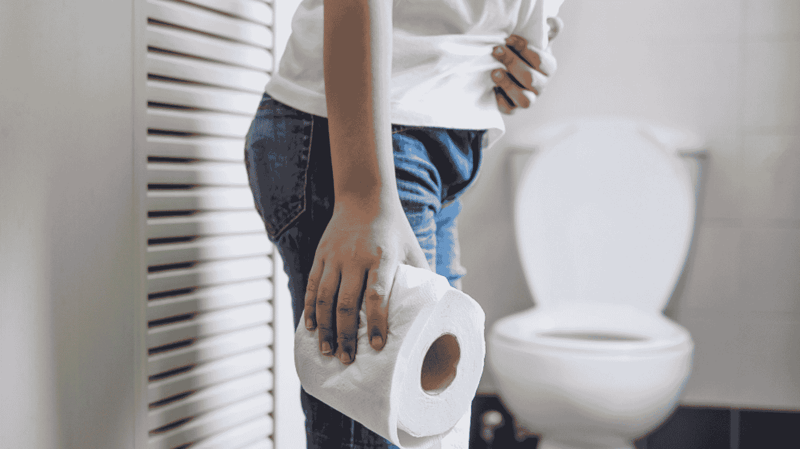
Irritable bowel syndrome (IBS) is one of the most common gut conditions in the world, affecting roughly 1 in 10 people at some point in their lives. If you have been told you have IBS, or you suspect you might, you are far from alone. And the good news is that understanding IBS is the first step toward managing it well.
What Is IBS and how is it diagnosed?
IBS is a condition where the gut becomes sensitive and unpredictable. It causes recurring tummy pain linked to changes in how often you go to the toilet or what your stools look like.
Based on these patterns, IBS is divided into four types:
-
IBS with constipation (IBS-C): Stools are mostly hard and lumpy. People often feel bloated and find it difficult to empty their bowels fully.
-
IBS with diarrhoea (IBS-D): Stools are loose and watery most of the time, often with an urgent need to go.
-
IBS with mixed bowel habits (IBS-M): Stools alternate between hard and loose on different days.
-
Unclassified IBS (IBS-U): Symptoms fit IBS but do not clearly match any of the above patterns.
IBS is a clinical diagnosis, meaning doctors can confidently identify it based on your symptom pattern, without needing to run dozens of tests first. A small number of targeted blood and stool tests are typically done, but extensive investigations are reserved only for people with warning signs such as unexplained weight loss, blood in the stool, or symptoms starting after the age of 50.
The Role of Bacteria in IBS
Our gut is home to trillions of bacteria that play a vital role in digestion, immunity, and overall health. When this bacterial community is healthy and balanced, the gut works well. When it is disrupted, problems can follow.
Post-infectious IBS
For some people, IBS begins after a stomach bug. This is known as post-infectious IBS, and it can develop after common bacterial infections such as food poisoning caused by Campylobacter, Salmonella, or Shigella. Even a hospital-acquired infection called Clostridioides difficile can trigger IBS in around 1 in 4 people who contract it.
Dysbiosis
Even without a prior infection, the gut bacteria of people with IBS are often out of balance. Friendly bacteria that protect and nourish the gut lining tend to be present in lower numbers, while bacteria that can drive inflammation are more abundant. This imbalance is called dysbiosis, and it can contribute to many of the classic IBS symptoms including bloating, gas, abdominal pain, and irregular bowel habits.
Small intestinal bacterial overgrowth (SIBO)
Small intestinal bacterial overgrowth (SIBO) is a condition where too many bacteria accumulate in the small bowel. It is found in approximately 31% of people with IBS. People with IBS are approximately 4 to 5 times more likely to have SIBO than those without IBS. SIBO can cause bloating, excess gas, abdominal pain, and diarrhoea. In more persistent cases, it may also contribute to fatigue and nutritional deficiencies.
Testing the Gut Microbiome
For those wanting a deeper look, functional stool tests can assess for dysbiosis and microbiome diversity, while a simple breath test can check for SIBO. Based on the results of these tests, treatment can be personalised, with specific probiotics to support beneficial bacteria, or targeted antibiotics to address SIBO, offering a more tailored approach to managing IBS.
Managing IBS
Managing IBS can involve several approaches. The following sections look at the low FODMAP diet, everyday lifestyle habits, and gut-directed hypnotherapy.
The Low FODMAP Diet
The low FODMAP diet is one of the most well-researched dietary approaches for managing IBS. FODMAP refers to a group of poorly absorbed carbohydrates. These are found in everyday foods including wheat, onions, garlic, dairy products, certain fruits, and artificial sweeteners.
In people with IBS, these foods draw extra water into the gut and are fermented by bacteria, producing gas. Because the IBS gut is more sensitive than usual, this causes disproportionate pain, bloating, and bowel changes. In the most rigorous clinical trial to date, 61 per cent of patients on the low FODMAP diet experienced adequate symptom relief, compared to 39 per cent on a sham diet in per-protocol analysis.
It is not a permanent elimination diet but follows three structured stages:
Phase 1: Strict restriction (4 to 6 weeks)
All high-FODMAP foods are removed to allow symptoms to settle.
Phase 2: Systematic reintroduction
FODMAP groups are reintroduced one at a time to identify personal triggers.
Phase 3: Personalisation
A long-term tailored diet is built around individual tolerance, avoiding only foods that genuinely cause problems.
Working with a trained dietitian is strongly recommended to follow each phase correctly and maintain nutritional balance.
Lifestyle and IBS
Alongside dietary changes and medications to relieve symptoms, everyday lifestyle habits play a meaningful role in managing IBS, supporting gut health and microbiome balance. While exercise is now endorsed in international IBS guidelines, the benefits of stress management, good sleep, and avoiding harmful habits such as smoking and excess alcohol are supported by emerging and indirect evidence from microbiome research.
Exercise. Regular moderate exercise, such as brisk walking, cycling, or swimming, improves gut motility, increases beneficial gut bacteria diversity, and reduces IBS symptom severity.
Stress. Chronic stress is a well-recognised IBS trigger. The gut and brain communicate constantly through the gut-brain axis, and stress hormones can alter gut sensitivity and disrupt the microbiome. Mindfulness, yoga, and talking therapies can have a direct beneficial effect on gut symptoms.
Sleep. Poor or disrupted sleep reduces levels of beneficial bacteria and heightens gut sensitivity the following day.
Habits to avoid. Smoking, excess alcohol, highly processed foods, and unnecessary antibiotic use are among the habits most consistently linked to microbiome disruption and worsening IBS.
Small, consistent changes across these areas can make a meaningful difference over time.
Gut-Directed Hypnotherapy
Gut-Directed Hypnotherapy (GDH) is another treatment option backed by a growing body of clinical evidence. GDH works through the brain-gut connection, using a relaxed, trance-like state to calm an oversensitive gut. Clinical trials show it performs as well as the low FODMAP diet, with benefits lasting up to 5 years in most responders. Leading international medical guidelines now recommend GDH for IBS that has not responded to standard treatments after 12 months.
The Takeaway
IBS is a real, recognised medical condition with a growing body of science behind it. It can be confidently diagnosed based on your symptoms, and there are multiple effective treatment options available, from dietary changes and medications to microbiome testing and gut-directed psychological therapies. Work with your doctor to understand your specific IBS pattern and build a plan that works for you.


Dr Shiba Poon
- LMCHK
- MBBS (Lond)
- DRCOG
- DCH (RCPCH)
- PGDipClinDerm (Lond)
- MRCGP
- Honorary Clinical Assistant Professor In Family Medicine (HKU)
Health Articles by Dr Shiba Poon
















References
- Lovell, R.M. and Ford, A.C. (2012) 'Global prevalence of and risk factors for irritable bowel syndrome: a meta-analysis', Clinical Gastroenterology and Hepatology, 10(7), pp. 712–721.e4. doi:10.1016/j.cgh.2012.02.029. Available at: https://pubmed.ncbi.nlm.nih.gov/22426087 [Accessed: 9 November 2026].
- Mearin, F., Lacy, B.E., Chang, L., Chey, W.D., Lembo, A.J., Simren, M. and Spiller, R. (2016) 'Bowel disorders', Gastroenterology, 150(6), pp. 1393–1407. doi:10.1053/j.gastro.2016.02.031. Available at: https://pubmed.ncbi.nlm.nih.gov/27144627 [Accessed: 9 November 2026].
- Lacy, B.E., Pimentel, M., Brenner, D.M., Chey, W.D., Keefer, L.A., Long, M.D. and Moshiree, B. (2021) 'ACG clinical guideline: management of irritable bowel syndrome', American Journal of Gastroenterology, 116(1), pp. 17–44. doi:10.14309/ajg.0000000000001036. Available at: https://pubmed.ncbi.nlm.nih.gov/33315591 [Accessed: 9 November 2026].
- Thabane, M., Kottachchi, D.T. and Marshall, J.K. (2007) 'Systematic review and meta-analysis: the incidence and prognosis of post-infectious irritable bowel syndrome', Alimentary Pharmacology & Therapeutics, 26(4), pp. 535–544. doi:10.1111/j.1365-2036.2007.03399.x. Available at: https://pubmed.ncbi.nlm.nih.gov/17661757 [Accessed: 9 November 2026].
- Wadhwa, A., Al Nahhas, M.F., Dierkhising, R.A., Patel, R., Kashyap, P., Pardi, D.S., Khanna, S. and Grover, M. (2016) 'High risk of post-infectious irritable bowel syndrome in patients with Clostridium difficile infection', Alimentary Pharmacology & Therapeutics, 44(6), pp. 576–582. doi:10.1111/apt.13737. Available at: https://pmc.ncbi.nlm.nih.gov/articles/PMC4982831 [Accessed: 9 November 2026].
- Shah, A., Talley, N.J., Jones, M., Kendall, B.J., Koloski, N., Walker, M.M., Morrison, M. and Holtmann, G.J. (2020) 'Small intestinal bacterial overgrowth in irritable bowel syndrome', American Journal of Gastroenterology, 115(2), pp. 190–201. doi:10.14309/ajg.0000000000000504. Available at: https://pubmed.ncbi.nlm.nih.gov/31913194/ [Accessed: 9 November 2026].
- Mayer, E.A., Savidge, T. and Shulman, R.J. (2014) 'Brain-gut microbiome interactions and functional bowel disorders', Gastroenterology, 146(6), pp. 1500–1512. doi:10.1053/j.gastro.2014.02.037. Available at: https://pmc.ncbi.nlm.nih.gov/articles/PMC4114504 [Accessed: 9 November 2026].
- Ghoshal, U.C., Nehra, A., Mathur, A. and Rai, S. (2020) 'A meta-analysis on small intestinal bacterial overgrowth in patients with different subtypes of irritable bowel syndrome', Journal of Gastroenterology and Hepatology, 35(6), pp. 922–931. doi:10.1111/jgh.14938. Available at: https://pubmed.ncbi.nlm.nih.gov/31750966 [Accessed: 9 November 2026].
- Quigley, E.M. and Quera, R. (2006) 'Small intestinal bacterial overgrowth: roles of antibiotics, prebiotics, and probiotics', Gastroenterology, 130(2, Suppl 1), pp. S78–S90. doi:10.1053/j.gastro.2005.11.046. Available at: https://pubmed.ncbi.nlm.nih.gov/16473077 [Accessed: 9 November 2026].
- Hammer, H.F., Fox, M.R., Keller, J., Salvatore, S., Basilisco, G., Hammer, J., Lopetuso, L., Benninga, M., Borrelli, O., Dumitrascu, D., Hauser, B., Herszenyi, L., Nakov, R., Pohl, D., Thapar, N. and Sonyi, M. on behalf of the European H2-CH4-breath test group (2022) 'European guideline on indications, performance, and clinical impact of hydrogen and methane breath tests in adult and pediatric patients', United European Gastroenterology Journal, 10(1), pp. 15–40. doi:10.1002/ueg2.12133. Available at: https://pmc.ncbi.nlm.nih.gov/articles/PMC8830282 [Accessed: 9 November 2026].
- Niu, H.L. and Xiao, J.Y. (2020) 'The efficacy and safety of probiotics in patients with irritable bowel syndrome: evidence based on 35 randomized controlled trials', International Journal of Surgery, 75, pp. 116–127. doi:10.1016/j.ijsu.2020.01.142. Available at: https://pubmed.ncbi.nlm.nih.gov/32014597 [Accessed: 9 November 2026].
- Staudacher, H.M. and Whelan, K. (2017) 'The low FODMAP diet: recent advances in understanding its mechanisms and efficacy in IBS', Gut, 66(8), pp. 1517–1527. doi:10.1136/gutjnl-2017-313750. Available at: https://pubmed.ncbi.nlm.nih.gov/28592442 [Accessed: 9 November 2026].
- Staudacher, H.M., Lomer, M.C.E., Farquharson, F.M., Louis, P., Fava, F., Franciosi, E., Scholz, M., Tuohy, K.M., Lindsay, J.O., Irving, P.M. and Whelan, K. (2017) 'A diet low in FODMAPs reduces symptoms in patients with irritable bowel syndrome and a probiotic restores Bifidobacterium species: a randomized controlled trial', Gastroenterology, 153(4), pp. 936–947. doi:10.1053/j.gastro.2017.06.010. Available at: https://pubmed.ncbi.nlm.nih.gov/28625832 [Accessed: 9 November 2026].
- McKenzie, Y.A., Bowyer, R.K., Leach, H., Gulia, P., Horobin, J., O'Sullivan, N.A., Pettitt, C., Reeves, L.B., Seamark, L., Williams, M., Thompson, J. and Lomer, M.C.E. (2016) 'British Dietetic Association systematic review and evidence-based practice guidelines for the dietary management of irritable bowel syndrome in adults (2016 update)', Journal of Human Nutrition and Dietetics, 29(5), pp. 549–575. doi:10.1111/jhn.12385. Available at: https://pubmed.ncbi.nlm.nih.gov/27272325 [Accessed: 9 November 2026].
- Choi Y. et al. (2025) 'Seoul Consensus on Clinical Practice Guidelines for Irritable Bowel Syndrome', Journal of Neurogastroenterology and Motility, 31(2), pp. 133–169. doi:10.5056/jnm25007. Available at: https://www.jnmjournal.org/journal/view.html?uid=1966 [Accessed: 9 November 2026].
- Moloney, R.D., Johnson, A.C., O'Mahony, S.M., Dinan, T.G., Greenwood-Van Meerveld, B. and Cryan, J.F. (2016) 'Stress and the microbiota-gut-brain axis in visceral pain: relevance to irritable bowel syndrome', CNS Neuroscience & Therapeutics, 22(2), pp. 102–117. doi:10.1111/cns.12490. Available at: https://pmc.ncbi.nlm.nih.gov/articles/PMC6492884 [Accessed: 9 November 2026].
- Lin, Z., Jiang, T., Chen, M., Ji, X. and Wang, Y. (2024) 'Gut microbiota and sleep: interaction mechanisms and therapeutic prospects', Open Life Sciences, 19(1), 20220910. doi:10.1515/biol-2022-0910. Available at: https://pmc.ncbi.nlm.nih.gov/articles/PMC11260001 [Accessed: 9 November 2026].
- Alagiakrishnan, K., Morgadinho, J. and Halverson, T. (2024) 'Approach to the diagnosis and management of dysbiosis', Frontiers in Nutrition, 11, 1330903. doi:10.3389/fnut.2024.1330903. Available at: https://pmc.ncbi.nlm.nih.gov/articles/PMC11069313 [Accessed: 9 November 2026].
- Rondinella, D., Raoul, P.C., Valeriani, E., Venturini, I., Cintoni, M., Severino, A., Galli, F.S., Mora, V., Mele, M.C., Cammarota, G., Gasbarrini, A., Rinninella, E. and Ianiro, G. (2025) 'The detrimental impact of ultra-processed foods on the human gut microbiome and gut barrier', Nutrients, 17(5), p. 859. doi:10.3390/nu17050859. Available at: https://pmc.ncbi.nlm.nih.gov/articles/PMC11901572 [Accessed: 9 November 2026].
- Peters, S.L., Yao, C.K., Philpott, H., Yelland, G.W., Muir, J.G. and Gibson, P.R. (2016) 'Randomised clinical trial: the efficacy of gut-directed hypnotherapy is similar to that of the low FODMAP diet for the treatment of irritable bowel syndrome', Alimentary Pharmacology & Therapeutics, 44(5), pp. 447–459. doi:10.1111/apt.13706. Available at: https://pubmed.ncbi.nlm.nih.gov/27397586 [Accessed: 9 November 2026].
- Gonsalkorale, W.M., Miller, V., Afzal, A. and Whorwell, P.J. (2003) 'Long term benefits of hypnotherapy for irritable bowel syndrome', Gut, 52(11), pp. 1623–1629. doi:10.1136/gut.52.11.1623. Available at: https://pmc.ncbi.nlm.nih.gov/articles/PMC1773844 [Accessed: 9 November 2026].
- National Institute for Health and Care Excellence (2008, updated April 2017) Irritable bowel syndrome in adults: diagnosis and management. Clinical Guideline CG61. London: NICE. Available at: https://www.nice.org.uk/guidance/cg61 [Accessed: 9 November 2026].