 Central General Practice
 Repulse Bay
 Clearwater Bay
 BodyWorX Clinic
 Central Specialist Clinic
 MindWorX Clinic
 Family Clinic
 OT&P Annerley Midwives Clinic
 WellWorX Clinic


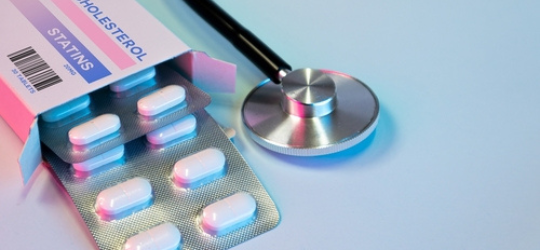
With today's hectic schedules and increasingly poor eating habits, it's little wonder that so many people are being diagnosed with what's known as the "three highs" — high blood pressure, high blood sugar, and high blood lipids. Elevated levels of "bad cholesterols" fall under the umbrella of high blood lipids and are a key risk factor of cardiovascular disease. While a healthy diet and lifestyle go a long way towards keeping cholesterol in check, they don't always do the job on their own, which is where cholesterol-lowering medications come in. One of the most common questions patients have when they're first prescribed these medications is: "Will I have to take them for the rest of my life?" This article explores that concern and addresses some of the most frequently asked topics around cholesterol management.
Bad Cholesterol: LDL and VLDL cholesterol
Low-density lipoprotein cholesterol (LDL-C) and very-low-density lipoprotein (VLDL) are bad cholesterols. When these levels in the blood become too high, they can build up along the walls of your blood vessels, forming deposits known as plaques. Over time, this leads to a condition called atherosclerosis. These plaques make blood vessels less flexible, narrow the channels through which blood flows, and can eventually trigger the formation of blood clots, raising the risk of a heart attack or stroke.
Types of Medications for High Cholesterol
There are four main classes of cholesterol-lowering medications commonly used:
- Statins (e.g. Atorvastatin, rosuvastatin)
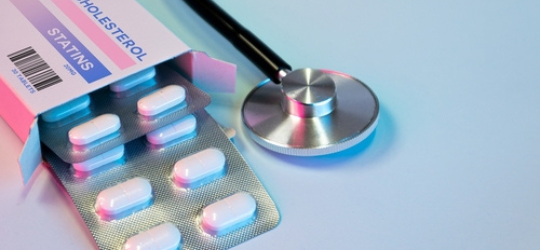
Statins are widely regarded as the most effective class of cholesterol-lowering drugs. They work by reducing the liver's production of cholesterol, thereby lowering the risk of cardiovascular disease. As with any medication, they can come with potential side effects, including impacts on liver function and muscle-related issues, so regular monitoring is important. - Ezetimibe
Ezetimibe blocks the absorption of dietary cholesterol in the intestine. It is commonly prescribed alongside statin, or as an alternative to statin. - Bempedoic acid
Bempedoic acid is a newer medication, which inhibits the production of cholesterol in the liver. It is used with statin or ezetimibe, but can also be used as a standalone medication. - PCSK9 Inhibitor (e.g. alirocumab, evolocumab)
PCSK9 Inhibitor is a potent injectable drug, often used for patients with high-risk cardiovascular disease. They are generally self-administered every 2-4 weeks.
Is Lifelong Medication Necessary for High Cholesterol?
There's no one-size-fits-all response, because the decision rests on a range of individual factors, including your overall health, genetics, lifestyle habits, and how well you respond to medication. Medications lower the cholesterol level while they are being taken, and if they are stopped, the cholesterol level usually rises.
By adopting to a healthier lifestyle, some people may notice their cholesterol falls to a target level even without medications. If there is sustainable change, lifelong treatment may not be necessary. For low-risk individuals who are already on medication, if there is significant lifestyle change or weight loss, your doctor may consider a trial of dose reduction or medication stoppage, with the aim of maintaining optimal cholesterol levels through lifestyle alone.
That said, for individuals with a family history of cardiovascular disease, or those who have already been diagnosed with a heart condition, long-term and potentially lifelong medication is often recommended to minimise the risk of future complications.
How Long Do You Need to Take Cholesterol-Lowering Medication?
The duration of treatment varies from person to person. The key is to have your cholesterol levels monitored regularly so that your doctor can tailor a treatment plan to your specific needs. Some patients may only require medication for a short period while they engage in lifestyle change, others may need it indefinitely. If you have changed your lifestyle, you may recheck your lipid profile 3 months later to see the effect.
How to Lower Cholesterol Without Medication?
Medication isn't the only tool in the box. There are several lifestyle changes that can make a real difference to your cholesterol levels:
Weight management
The ideal body mass index (BMI) is 18.5-25 in Caucasians and 18.5-23 in Asians. If your BMI is higher than the target, weight reduction by 5% or more can help reduce your cholesterol.
Improve your diet
Eating more dietary fibre, wholegrains, fresh fruit, and vegetables, can help to lower cholesterol naturally by blocking cholesterol absorption.
Cut down on high-cholesterol foods
Cholesterol is only found in animal products. Try to reduce your intake of foods that are high in saturated fat and trans fats, including fried foods, processed meats, meat organs and full fat dairy products.
Get moving
Regular physical activity can raise your high-density lipoprotein HDL ("good") cholesterol levels, which in turn helps to bring LDL ("bad") cholesterol down. Aim for 150 minutes of moderate intensity exercise or 75 minutes of vigorous exercise a week.
Quit smoking and drink less alcohol
Both smoking and heavy drinking are linked to higher cardiovascular risk and can contribute to raised cholesterol levels.
Prioritise good sleep
Sleep disorders are associated with elevated bad cholesterol. Lack of sleep can cause imbalance in the hormones that regulate hunger and appetite. It is recommended to maintain at least 7 hours of quality sleep per day.
Manage stress and engage in meaningful social interactions
Chronic stress causes raised cortisol, which can trigger more cholesterol production in the liver. Try engaging with nature, mindfulness, and spending time with people you care about.
Foods to Avoid If You Have High Cholesterol
The following foods are known to raise cholesterol levels and should be limited in your daily diet:
-
Red meat and processed meats (such as sausages and bacon)
-
Full-fat dairy products (such as whole milk, butter, and cheese)
-
Fried foods and baked goods containing trans fats
-
Fast food and ready meals, commonly containing palm oil which is high in saturated fat
Foods That May Help Lower Cholesterol
On the flip side, the following foods are generally considered beneficial for cholesterol management:
- High-fibre foods such as oats, pulses, and fruit (particularly apples and pears)
- Nuts with skin, such as almonds and pistachios
- Oily fish rich in omega-3 fatty acids, such as salmon and mackerel
- Vegetable oils such as olive oil and avocado oil
Summary
Whether you'll need to take cholesterol-lowering medication for life is ultimately a question only your doctor can answer, as it hinges on your personal health history and clinical needs. What's clear is that keeping your cholesterol within a healthy range requires a holistic approach that encompasses diet, exercise, lifestyle adjustments, and adherence to medical advice. Maintaining healthy cholesterol levels significantly reduces your risk of cardiovascular disease. If you have any concerns about your cholesterol or your current treatment, don't hesitate to speak with one of our family doctors.


Dr Shiba Poon
- LMCHK
- MBBS (Lond)
- DRCOG
- DCH (RCPCH)
- PGDipClinDerm (Lond)
- MRCGP
- Honorary Clinical Assistant Professor In Family Medicine (HKU)
Health Articles by Dr Shiba Poon
-1.png?width=768&name=%5BMKT%5DWebsite%20Blog%20Photo%20(40)-1.png)


-2.png?width=768&name=%5BMKT%5DWebsite%20Blog%20Photo%20(27)-2.png)

-2.png?width=768&name=%5BMKT%5DWebsite%20Blog%20Photo%20(22)-2.png)
-1.png?width=768&name=%5BMKT%5DWebsite%20Blog%20Photo%20(21)-1.png)

-2.png?width=768&name=%5BMKT%5DWebsite%20Blog%20Photo%20(16)-2.png)

-4.png?width=768&name=%5BMKT%5DWebsite%20Blog%20Photo%20(3)-4.png)

References
- Ference, B.A., Ginsberg, H.N., Graham, I., Ray, K.K., Packard, C.J., Bruckert, E., Hegele, R.A., Krauss, R.M., Raal, F.J., Schunkert, H., Watts, G.F., Borén, J., Fazio, S., Horton, J.D., Masana, L., Nicholls, S.J., Nordestgaard, B.G., van de Sluis, B., Taskinen, M.R., Tokgözoglu, L., Landmesser, U., Laufs, U., Wiklund, O., Stock, J.K., Chapman, M.J. and Catapano, A.L., 2017. Low-density lipoproteins cause atherosclerotic cardiovascular disease. 1. Evidence from genetic, epidemiologic, and clinical studies: a consensus statement from the European Atherosclerosis Society Consensus Panel. European Heart Journal, 38(32), pp.2459–2472. https://doi.org/10.1093/eurheartj/ehx144
- Blumenthal, R.S., Morris, P.B., Gaudino, M., Johnson, H.M., Anderson, T.S., Bittner, V.A., Blankstein, R., Brewer, L.C., Cho, L., de Ferranti, S.D., Gianos, E., Gluckman, T.J., Gradney, K.F., Isiadinso, I., Lloyd-Jones, D.M., Marrs, J.C., Martin, S.S., McLain, K.H., Mehta, L.S., Mora, S., Mulugeta, W.M., Natarajan, P., Navar, A.M., Orringer, C.E., Polonsky, T.S., Reynolds, H.R., Saseen, J.J., Shapiro, M.D., Soffer, D.E., Tynes, S.A., Villavaso, C.D., Virani, S.S. and Wilkins, J.T., 2026. 2026 ACC/AHA/AACVPR/ABC/ACPM/ADA/AGS/APhA/ASPC/NLA/PCNA guideline on the management of dyslipidemia: a report of the American College of Cardiology/American Heart Association Joint Committee on Clinical Practice Guidelines. Journal of the American College of Cardiology. Advance online publication. https://doi.org/10.1016/j.jacc.2025.11.016
- WHO Expert Consultation, 2004. Appropriate body-mass index for Asian populations and its implications for policy and intervention strategies. Lancet, 363(9403), pp.157–163. https://doi.org/10.1016/S0140-6736(03)15268-3
- Gepner, A.D., Piper, M.E., Johnson, H.M., Fiore, M.C., Baker, T.B. and Stein, J.H., 2011. Effects of smoking and smoking cessation on lipids and lipoproteins: outcomes from a randomized clinical trial. American Heart Journal, 161(1), pp.145–151. https://doi.org/10.1016/j.ahj.2010.09.023
- Leproult, R. and Van Cauter, E., 2010. Role of sleep and sleep loss in hormonal release and metabolism. Endocrine Development, 17, pp.11–21. https://doi.org/10.1159/000262524
- Brotman, D.J., Golden, S.H. and Wittstein, I.S., 2007. The cardiovascular toll of stress. Lancet, 370(9592), pp.1089–1100. https://doi.org/10.1016/S0140-6736(07)61305-1

-1.png?length=500&name=%5BMKT%5DWebsite%20Blog%20Photo%20(40)-1.png)