 Central General Practice
 Repulse Bay
 Clearwater Bay
 BodyWorX Clinic
 Central Specialist Clinic
 MindWorX Clinic
 Family Clinic
 OT&P Annerley Midwives Clinic
 WellWorX Clinic
.png?width=120&name=Tim%20Trodd%20(1).png)
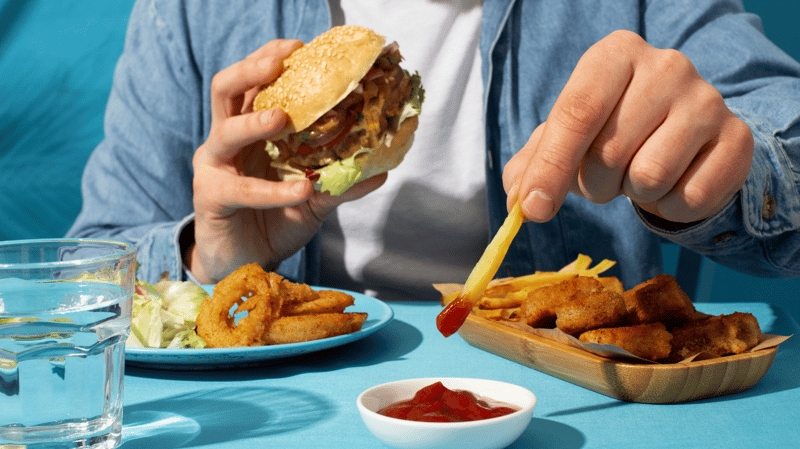
A recent article in Nature, titled "Ultra-processed food consumption affects structural integrity of feeding-related brain regions independent of and via adiposity," presents significant findings from a large study using data, including brain MRI results, from the UK Biobank. This study involved around 30,000 middle-aged participants and reveals alarming connections between high consumption of ultra-processed foods (UPFs) and adverse health outcomes.
What Are Ultra-Processed Foods?
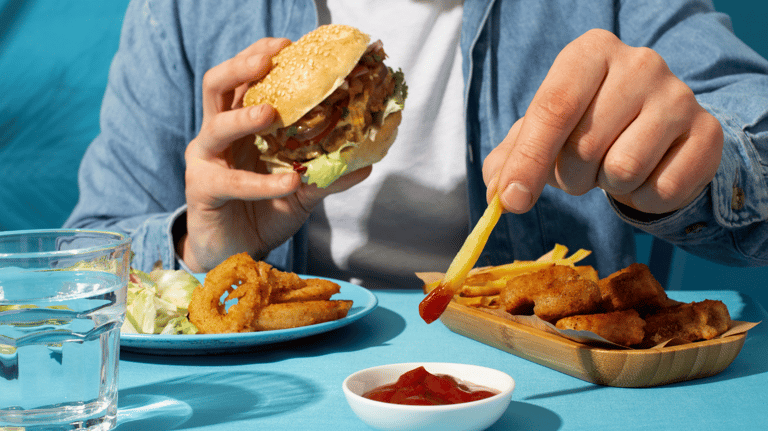
Ultra-processed foods are industrially manufactured products that undergo extensive processing methods. They often contain ingredients not commonly found in a typical home kitchen, such as:
- Additives: Preservatives, artificial colours, and flavours
- Emulsifiers: Industrial chemicals designed to enhance flavour, texture, and shelf life
These foods are typically ready-to-eat or heat and are characterised by high levels of fat, sugar, and salt while being low in dietary fibre and nutritional value.
Key Findings of the Study
Brain Structural Changes
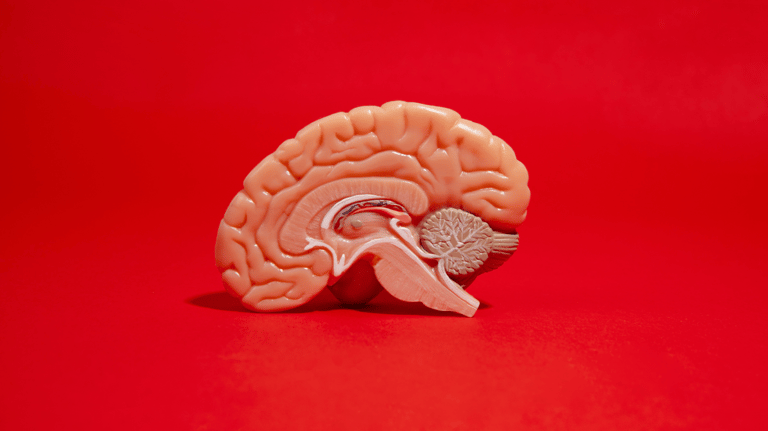
MRI scans revealed that UPF intake is associated with alterations in subcortical brain areas that regulate appetite and food intake. Notable changes include:
- Increased cellularity in the hypothalamus (possibly gliosis, a sign of injury)
- Signs of neurodegeneration in other regions, which may disrupt normal feeding regulation
Vicious Cycle of Overeating
Damage to brain circuits involved in food liking and wanting may promote uncontrolled eating behaviours. This creates a self-reinforcing cycle where UPF consumption leads to brain changes that further increase UPF intake and the risk of metabolic diseases.
Public Health Implications
The findings underscore the importance of reducing UPF consumption and improving food manufacturing regulations to mitigate the risks of obesity, metabolic disease, cognitive decline, and brain pathology linked to these foods.
Conclusion
In summary, consuming ultra-processed foods negatively impacts brain regions that control feeding behaviour through both obesity-related and independent pathways. This drives overeating and adverse health outcomes, making it crucial to avoid these unhealthy foods, especially for children. If you have any concerns about your eating habits or health, it is best to consult a doctor for personalised advice.
.png?width=200&name=Tim%20Trodd%20(1).png)
Dr Tim Trodd
- MBBS (London)
- DCH (London)
- DRCOG (UK)
- MRCGP (UK)
- FHKAM (Family Medicine)


-4.png?width=768&name=%5BMKT%5DWebsite%20Blog%20Photo%20(23)-4.png)
-3.png?width=768&name=%5BMKT%5DWebsite%20Blog%20Photo%20(19)-3.png)

-2.png?width=768&name=%5BMKT%5DWebsite%20Blog%20Photo%20(15)-2.png)
-2.png?width=768&name=%5BMKT%5DWebsite%20Blog%20Photo%20(14)-2.png)
-4.png?width=768&name=%5BMKT%5DWebsite%20Blog%20Photo%20(13)-4.png)
-1.png?width=768&name=%5BMKT%5DWebsite%20Blog%20Photo%20(12)-1.png)
-3.png?width=768&name=%5BMKT%5DWebsite%20Blog%20Photo%20(11)-3.png)
![[Part 3] The Hidden Hormonal Control Centre: Your Gut and Testosterone Featured image](https://www.otandp.com/hs-fs/hubfs/%5BMKT%5DWebsite%20Blog%20Photo%20%288%29-2.png?width=768&name=%5BMKT%5DWebsite%20Blog%20Photo%20%288%29-2.png)
![[Part 2] Do You Have Low Testosterone? Tests & Treatment Explained Featured image](https://www.otandp.com/hs-fs/hubfs/%5BMKT%5DWebsite%20Blog%20Photo%20(7)-4.png?width=768&name=%5BMKT%5DWebsite%20Blog%20Photo%20(7)-4.png)
![[Part 1] The Silent Decline in Men's Testosterone and Sperm Counts Featured image](https://www.otandp.com/hs-fs/hubfs/%5BMKT%5DWebsite%20Blog%20Photo%20(6)-2.png?width=768&name=%5BMKT%5DWebsite%20Blog%20Photo%20(6)-2.png)






















































References
- Morys, F. et al. (2025) ‘Ultra-processed food consumption affects structural integrity of feeding-related brain regions independent of and via adiposity’, npj Metabolic Health and Disease, 3, 13. https://doi.org/10.1038/s44324-025-00056-3