 Central General Practice
 Repulse Bay
 Clearwater Bay
 BodyWorX Clinic
 Central Specialist Clinic
 MindWorX Clinic
 Family Clinic
 OT&P Annerley Midwives Clinic
 WellWorX Clinic
.png?width=120&name=Tim%20Trodd%20(1).png)
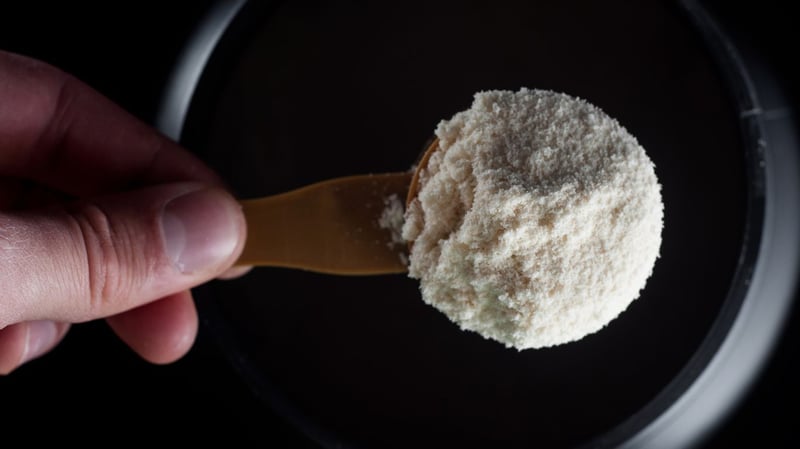
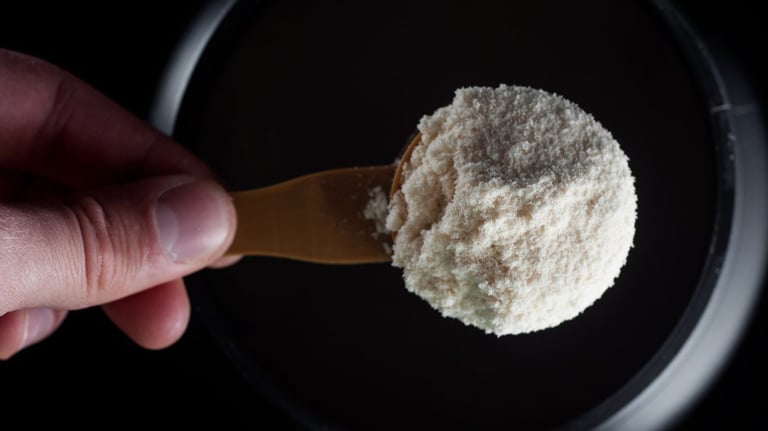
Creatine is a naturally occurring compound that plays a crucial role in cellular energy production, muscle performance, brain function, and overall physiological health. It is obtained through dietary sources such as meat and fish, but it is also synthesised naturally within the body. Supplementation with creatine monohydrate is widely practised to enhance both physical performance and cognitive function.
Creatine production in the body requires S-adenosyl methionine (SAMe) and depends on adequate intake of protein, vitamin B12, and folate. The average person produces around 1 gram per day, while creatine is naturally found in animal-based foods but absent from plant-based diets. For this reason, vegetarians and vegans often benefit more from supplementation.
Typical creatine supplement doses range from 3–5 grams per day for maintenance, up to 20–30 grams daily during short-term loading phases.
Creatine Uptake, Synthesis, and Storage
- Creatine uptake occurs via specific cellular transporters and is stored primarily in skeletal and cardiac muscle, with smaller amounts found in the brain, liver, and other tissues.
- Vegetarians and vegans tend to have lower baseline creatine levels, and supplementation can help optimise muscle function, energy, and overall health.
- Creatine monohydrate is the most researched and widely recommended form, proven to boost muscle creatine stores by 20–40% when taken consistently with an initial loading phase followed by a maintenance dose.
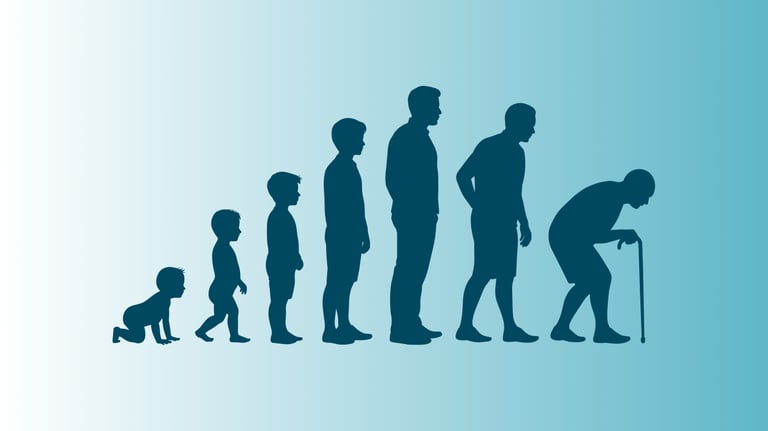
Creatine for Physical Performance and Ageing
- Creatine supplementation significantly enhances strength, power output, muscle mass, and recovery during resistance and high-intensity exercise.
- When combined with resistance training, creatine helps to slow age-related muscle loss and supports bone health in older adults.
- It may also help preserve muscle tissue during periods of immobilisation or recovery, making it valuable for rehabilitation and post-injury muscle repair.
Creatine and Metabolic & Cardiovascular Health
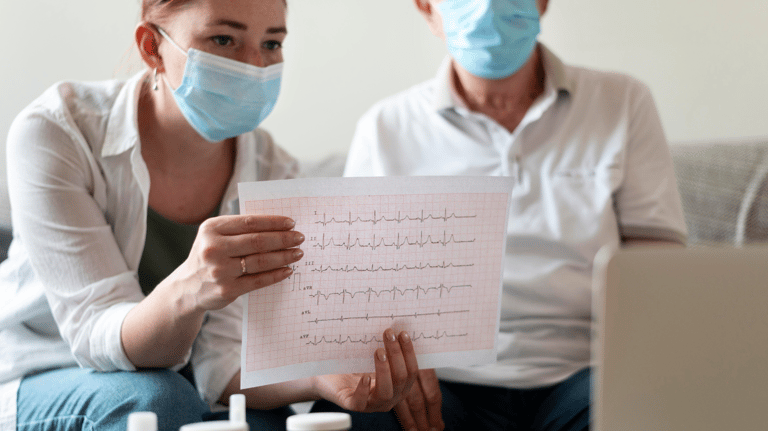
- Growing evidence links creatine supplementation to improved metabolic and cardiovascular function.
- Research suggests that creatine may reduce blood lipids, lower triglyceride levels, and improve glycaemic control—particularly in individuals with type 2 diabetes.
- Some studies show small but significant benefits for blood pressure, arterial stiffness, and endothelial function, which supports vascular health.
- These effects contribute to a potential role for creatine in reducing cardiovascular risk when combined with a healthy diet and regular exercise.
Creatine for Brain Health and Cognitive Function
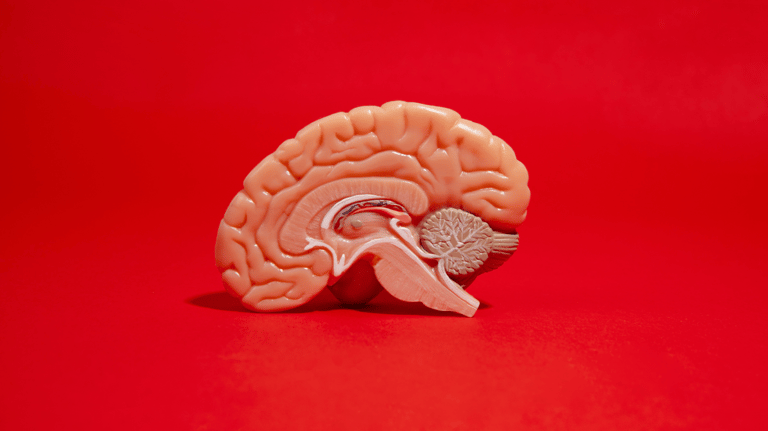
- Beyond the gym, creatine benefits brain performance by supporting neuronal energy metabolism.
- The brain relies on creatine phosphate (PCr) to maintain ATP levels, especially during times of high cognitive demand or limited oxygen availability.
- Supplementation has been shown to enhance memory, focus, and mental fatigue resistance, particularly in vegetarians, older adults, and individuals exposed to sleep deprivation or cognitive stress.
- Studies suggest creatine may support neuroprotection in conditions such as Alzheimer’s disease, depression, or after traumatic brain injury, though human data are still emerging.
- Some users also report improved sleep quality and recovery following exercise.

Creatine Safety, Side Effects, and Use
- Creatine monohydrate is among the safest and most well-studied supplements available.
- It is generally well-tolerated, with minor and temporary side effects such as water weight gain (from increased muscle hydration) and mild gastrointestinal discomfort when overdosed.
- Large-scale studies confirm no evidence of kidney, liver, or heart toxicity in healthy individuals using recommended doses.
- Those with pre-existing renal issues should seek medical advice before supplementing.
- Despite online rumours, current research does not support the claim that creatine causes hair loss through increased dihydrotestosterone (DHT).
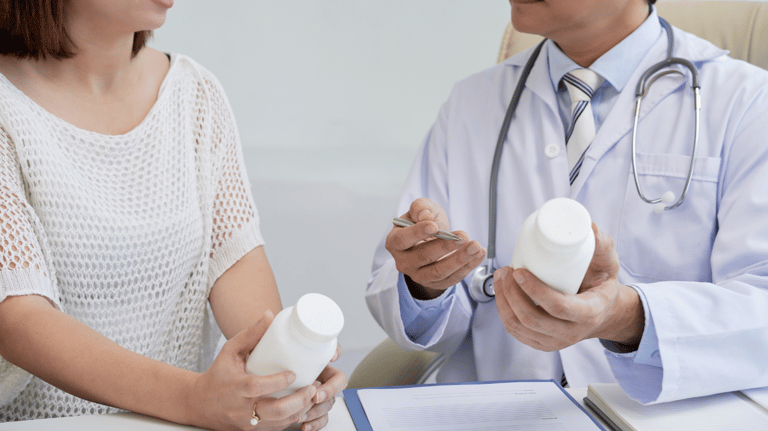
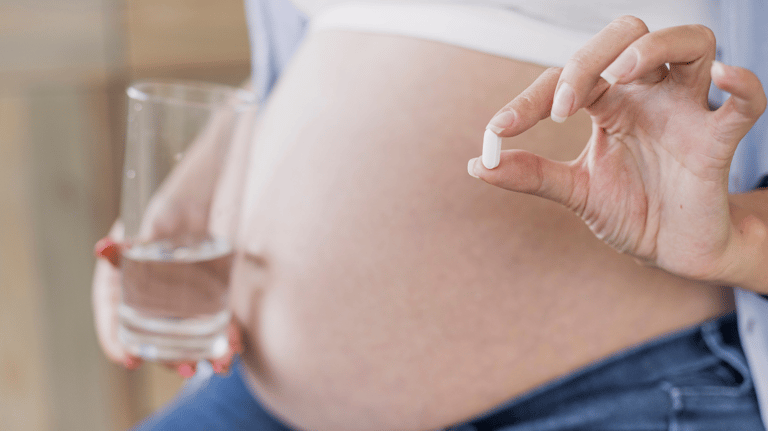
- As with any supplement, it is advisable to use proper dosing, maintain adequate hydration, and consult a healthcare professional if pregnant, under 18, or taking medication.
Conclusion: Why Creatine Deserves a Place in Your Routine
Creatine remains one of the most science-backed, affordable, and effective supplements for improving muscle strength, cognitive clarity, energy metabolism, and overall vitality.
When taken responsibly, creatine monohydrate enhances workout performance, supports brain health, promotes healthy ageing, and may contribute to cardiovascular and metabolic well-being.
As ongoing research expands, creatine continues to prove its worth not only in sports nutrition but also in broader health and disease prevention contexts.

.png?width=200&name=Tim%20Trodd%20(1).png)
Dr Tim Trodd
- MBBS (London)
- DCH (London)
- DRCOG (UK)
- MRCGP (UK)
- FHKAM (Family Medicine)


-4.png?width=768&name=%5BMKT%5DWebsite%20Blog%20Photo%20(23)-4.png)
-3.png?width=768&name=%5BMKT%5DWebsite%20Blog%20Photo%20(19)-3.png)

-2.png?width=768&name=%5BMKT%5DWebsite%20Blog%20Photo%20(15)-2.png)
-2.png?width=768&name=%5BMKT%5DWebsite%20Blog%20Photo%20(14)-2.png)
-4.png?width=768&name=%5BMKT%5DWebsite%20Blog%20Photo%20(13)-4.png)
-1.png?width=768&name=%5BMKT%5DWebsite%20Blog%20Photo%20(12)-1.png)
-3.png?width=768&name=%5BMKT%5DWebsite%20Blog%20Photo%20(11)-3.png)
![[Part 3] The Hidden Hormonal Control Centre: Your Gut and Testosterone Featured image](https://www.otandp.com/hs-fs/hubfs/%5BMKT%5DWebsite%20Blog%20Photo%20%288%29-2.png?width=768&name=%5BMKT%5DWebsite%20Blog%20Photo%20%288%29-2.png)
![[Part 2] Do You Have Low Testosterone? Tests & Treatment Explained Featured image](https://www.otandp.com/hs-fs/hubfs/%5BMKT%5DWebsite%20Blog%20Photo%20(7)-4.png?width=768&name=%5BMKT%5DWebsite%20Blog%20Photo%20(7)-4.png)
![[Part 1] The Silent Decline in Men's Testosterone and Sperm Counts Featured image](https://www.otandp.com/hs-fs/hubfs/%5BMKT%5DWebsite%20Blog%20Photo%20(6)-2.png?width=768&name=%5BMKT%5DWebsite%20Blog%20Photo%20(6)-2.png)











































References
-
Clarke, H., Hickner, R.C. and Ormsbee, M.J. (2021) 'The potential role of creatine in vascular health', Nutrients, 13(3), 857. doi:10.3390/nu13030857.
-
Kreider, R.B., Kalman, D.S., Antonio, J., Ziegenfuss, T.N., Wildman, R., Collins, R. et al. (2017) 'International Society of Sports Nutrition position stand: safety and efficacy of creatine supplementation in exercise, sport, and medicine', Journal of the International Society of Sports Nutrition, 14, 18. doi:10.1186/s12970-017-0173-z.
-
Kreider, R.B. and Stout, J.R. (2021) 'Creatine in health and disease', Nutrients, 13(2), 447. doi:10.3390/nu13020447.
- Xu, C., Bi, S., Zhang, W. and Luo, L. (2024) 'The effects of creatine supplementation on cognitive function in adults: a systematic review and meta-analysis', Frontiers in Nutrition, 11, 1424972. doi:10.3389/fnut.2024.1424972.