
 Central General Practice
 Repulse Bay
 Clearwater Bay
 BodyWorX Clinic
 Central Specialist Clinic
 MindWorX Clinic
 Family Clinic
 OT&P Annerley Midwives Clinic
 WellWorX Clinic

.png?width=120&name=Hennis%20(2).png)
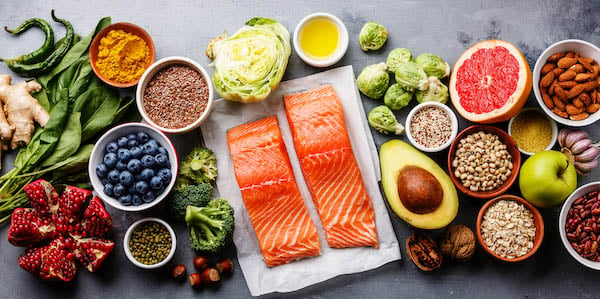
Interest in fertility and preconception health is growing, especially as infertility affects around 1 in 6 adults globally.1 While fertility is influenced by many factors, including age, medical conditions, and reproductive history, lifestyle habits, particularly nutrition, can also play an important role.
Growing evidence, including research from Harvard2, suggests that dietary habits and nutritional status can affect reproductive health and fertility outcomes in both men and women.3 Optimising nutrition before conception is therefore an important step in preparing the body for a healthy pregnancy.
Nutrition for improved fertility and a healthy pregnancy
Good nutrition is essential to support fertility and a healthy pregnancy. If you are planning to start a family, consider meeting with a doctor and a dietitian to assess your overall health, lifestyle and nutritional status. It’s a good idea to start preparing for pregnancy early as it can take time to build up nutrient stores and correct any nutritional deficiencies. Also, it takes a few months for eggs and sperm to develop, meaning that the food and nutrients your body receives today can affect fertility in the months ahead. Importantly, the health and nutrition of both men and women before conception can also influence the growth, development, and long-term health of the baby. For this reason, seek medical and nutrition advice at least three to six months before trying to conceive.
Focusing on nutrition for fertility is important for many reasons. Not only does it support your overall health, but it can also help promote egg and sperm quality, a healthy menstrual cycle, and hormonal balance. Good nutrition may also reduce the risk of certain pregnancy complications and support recovery after childbirth. Many nutrients play an important role in fertility and healthy pregnancy, particularly those with antioxidant properties. The good news is that many of the nutrients that support egg health also benefit sperm health. Some of the key nutrients are highlighted below.
Folate
Folate, a type of B vitamin, is essential for the early development of a baby’s brain and spinal cord and helps reduce the risk of neural tube defects. Research also suggests the role of folate in improved fertility outcomes including reduction in early miscarriages, as well as protection against male infertility.3 International guidelines recommend that women who are trying to conceive consume 400–800 micrograms (μg) folic acid daily. Individual requirements may vary depending on factors like dietary intake and genetics. A physician or dietitian can provide personalised recommendations based on your individual needs.
Vitamin D
Vitamin D deficiency is common, even in sunny parts of Asia. Adequate vitamin D status is crucial for overall health and for supporting fertility, pregnancy outcomes, and baby’s healthy development. Sun exposure is the primary source of vitamin D, while only a few foods, like fatty fish and egg yolk, provide meaningful amounts. Testing and monitoring vitamin D levels can help determine whether supplementation is needed and guide appropriate dosing.
Zinc
Zinc is essential for cell growth, reproduction, and DNA synthesis, playing a huge role in fertilisation in both males and females. Research suggests that in women, adequate zinc supports normal egg development and maturation. In men, zinc supports healthy sperm production, motility, and overall sperm health. Obtaining adequate zinc through diet, and supplementation where appropriate, may therefore support fertility in both sexes.
Selenium and CoQ10
Selenium is a trace mineral with important antioxidant function that helps protect cells against oxidative stress. Numerous research has suggested its critical role in supporting fertility in both men and women, including healthy thyroid hormones, ovarian function, and sperm parameters. Coenzyme Q10 (CoQ10), another antioxidant, may also help support sperm quality and fertility outcomes in men. As with all supplements, suitability and dosage should be tailored according to a person's health status and nutritional needs.
Iron
Iron deficiency is common, particularly among women of reproductive age, and can lead to symptoms such as fatigue, depression, thyroid issues, and poor concentration. As iron requirements increase substantially during pregnancy, it is important to optimise iron status before conception. Working with a dietitian can help identify iron-rich foods, improve iron absorption, and support healthy iron levels through diet and supplementation as appropriate.

As part of our preconception assessment, we review dietary habits and lifestyle factors that may influence fertility and pregnancy outcomes. Depending on individual needs, we may also assess key nutrients such as iron, vitamin D, and trace elements including zinc and selenium. We then provide personalised recommendations for both partners to help optimise nutritional status in preparation for conception and healthy pregnancy.
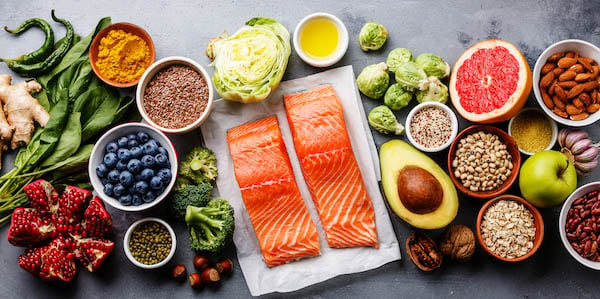
Whether you’re just starting to conceive or you’ve been trying for some time now, it’s essential to understand what you’re putting into your body. There is no single food that can guarantee fertility, but some foods provide a particularly rich source of nutrients that support reproductive health. Below are 7 nutrient-dense foods that can help you build a fertility-friendly diet.
7 foods to include in a fertility-friendly diet
1. Leafy green vegetables
Leafy green vegetables like spinach, kale, and Chinese greens (bok choy, gai lan) are rich in fibre and key vitamins and minerals like folate, calcium, and iron. These nutrients support overall health and healthy red blood cell production, so it’s important to include them regularly as part of your diet.
2. Berries
Berries, including raspberries, blueberries, and strawberries are rich in antioxidants like vitamin C and polyphenols. Antioxidants help protect cells from oxidative stress, which may support both egg and sperm health.
3. Oysters
Oysters are packed with more zinc per serving than any other foods. They also contain selenium and other nutrients, which support healthy sperm and egg development.
4. Salmon
Salmon is an oily fish that is high in omega-3 fatty acids, selenium and vitamin D. Omega-3 fatty acids help to regulate hormones in the body and increase blood flow to the reproductive organs.
5. Nuts and seeds
Nuts and seeds, including walnuts, flaxseeds, and chia seeds, provide protein, fibre, plant-based omega-3 fatty acids, and a range of vitamins and minerals. These nutrients support overall health including hormone function, blood sugar regulation, and healthy digestion, all of which contribute to optimal fertility.
6. Cacao
Cacao contains antioxidants and beneficial plant compounds called phytonutrients, which protect cells from inflammation and oxidative stress. It is also a source of healthy fats and essential minerals like phosphorus, magnesium, and copper, which are needed for the proper functioning of the body.4
7. Wholegrains
Wholegrains like whole wheat bread, brown rice, and quinoa, contain slowly digested carbohydrates and are rich in fibre, which helps regulate healthy blood sugar and insulin levels that are crucial for fertility.
While these foods can support overall health and provide important nutrients for reproductive health, they are not a substitute for a balanced and varied diet. Rather than focusing on individual "superfoods," aim for an overall healthy dietary pattern that includes a variety of nutrient-rich foods while limiting highly processed foods and sugary drinks. Healthy eating is not only beneficial when trying to conceive, but also supports your overall health and well-being.

Fertility Nutrition Counselling and Dietitian in Hong Kong
At OT&P, we offer personalised fertility nutrition counselling to help you optimise your diet for conception. Our expert dietitians work with you to improve your nutrition, address nutrient deficiencies, and support overall fertility health.
Why See a Dietitian?
Our accredited dietitians provide evidence-based, personalised nutrition guidance tailored to your unique fertility and health needs. By optimising your nutritional status and addressing any dietary concerns, we can help support fertility, improve your chances of conception, and promote healthy pregnancy. We also work closely with your healthcare team to support you alongside fertility treatments, including IVF, where appropriate.

.png?width=200&name=Hennis%20(2).png)
Hennis Tung
- Registered Dietitian (RD), Commission on Dietetic Registration (US)
- Certified Fertility Dietitian (Early Life Nutrition Alliance, Australia)
- MSc Clinical Nutrition and Dietetics, New York University (US)
- BSc Food Science and Nutrition, Ohio State University (US)
- Didactic Program in Dietetics (DPD), New York University (US)
- Dietetic Internship - New York University & NewYork-Presbyterian Hospital (US)
References
- World Health Organization. (2023). 1 in 6 people globally affected by infertility: WHO. Available at: https://www.who.int/news/item/04-04-2023-1-in-6-people-globally-affected-by-infertility (Accessed: 10 July 2026).
- Shmerling, R.H. and Shmerling, A. (2020). Fertility and diet: Is there a connection? Harvard Health Publishing, 3 November. Available at: https://www.health.harvard.edu/blog/fertility-and-diet-is-there-a-connection-2018053113949 (Accessed: 10 July 2026).
- Farina, M., Maugeri, A., Rapisarda, A. and Navarra, M. (2025). The impact of food and nutraceuticals on human fertility. Food Nutrition, 1(2), Article 100021.
- Sitarek, P., Merecz-Sadowska, A., Sikora, J., Osicka, W., Śpiewak, I., Picot, L. and Kowalczyk, T. (2024). Exploring the therapeutic potential of Theobroma cacao L.: Insights from in vitro, in vivo, and nanoparticle studies on anti-inflammatory and anticancer effects. Antioxidants, 13(11), Article 1376. doi: 10.3390/antiox13111376.





.png?length=500&name=%5BMKT%5DWebsite%20Blog%20Photo%20(36).png)
