 Central General Practice
 Repulse Bay
 Clearwater Bay
 BodyWorX Clinic
 Central Specialist Clinic
 MindWorX Clinic
 Family Clinic
 OT&P Annerley Midwives Clinic
 WellWorX Clinic


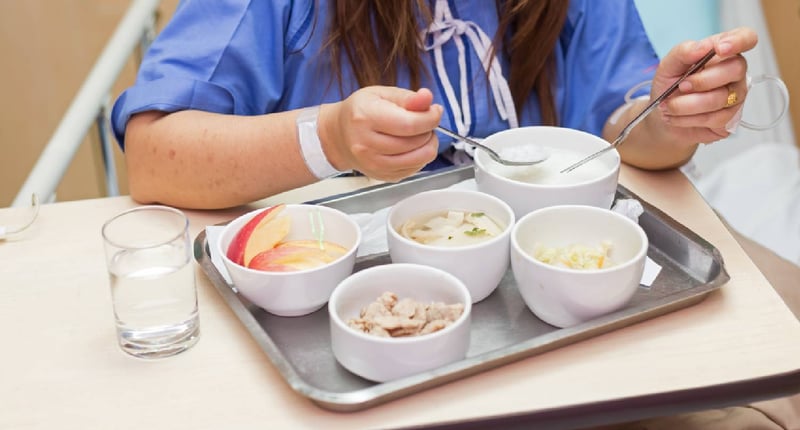
Whether you've had open surgery or a minimally invasive procedure, some form of wound is inevitable. Some people swear by nourishing soups; others think plain, restricted eating is the way to go. What should you do?
Here's a practical guide to post-surgery nutrition, including 5 key food groups that can support your recovery.
What Your Body Goes Through After Surgery
Every operation, whether a traditional open abdominal surgery or a minimally invasive procedure, leaves the body in a weakened state with wounds. Take the surgical removal of uterine fibroids, for instance, it typically leaves a wound around 10 cm long, with some accompanying blood loss. Even less invasive procedures, such as hernia repair or balloon angioplasty, still require meaningful recovery time, despite their smaller incisions. Here are some of the most common post-surgery complications to be aware of:
- Wound Adhesions
Operations involving the gastrointestinal tract, pelvic cavity, abdomen, or uterus carry a risk of internal adhesions forming after surgery. These can lead to complications such as chronic bowel obstruction and intrauterine infection. - Blood loss
Most surgical patients lose somewhere between 100 and 500 cc of blood. A traditional hepatic lobectomy can result in losses of 500 to 1,000 cc. Significant blood loss can leave you feeling profoundly weak, and wounds that continue to bleed are slower to heal. - Post-Operative Pain
Some degree of acute pain around a surgical wound is perfectly normal. You should take your prescribed painkillers as directed by your doctor, and the discomfort typically eases within one to two weeks as the wound heals. - Post-Surgery Infection
Surgeries such as orthopaedic surgery are particularly prone to infection, as blood circulation near the bone is poor and limited antibiotics can reach the area, making it easy for bacteria to hide deep within.
Best foods to eat after surgery
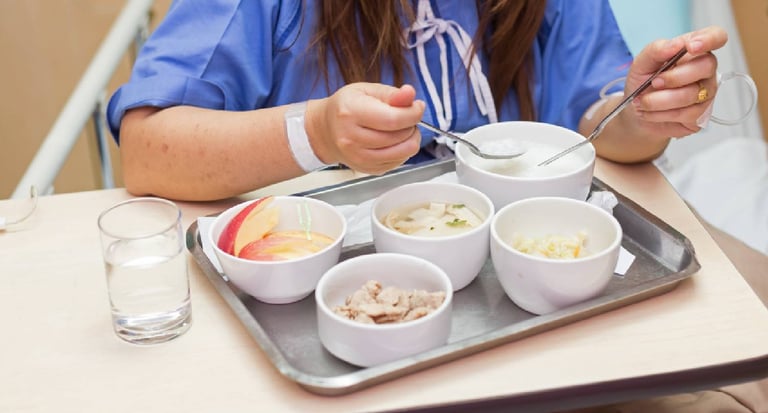
Whether your operation was open or minimally invasive, your number-one priority afterwards is to support wound healing and overall recovery, making nutritional supplementation through diet very important. If your doctor has given you the green light to eat solid foods, and there are no gastrointestinal concerns, try to include more of these 5 food groups in your diet to facilitate would healing:
- Protein
Protein helps promote collagen formation, tissue remodelling, and skin structure. Good sources of protein include all lean animal meats, soy products, eggs, low-fat dairy products, nuts, and seeds. - Vitamin C
Vitamin C is a key building block of collagen and plays a vital role in tissue repair. Load up on fresh fruits and vegetables, oranges, kiwi fruit, grapefruit, papaya, cauliflower, green peppers, broccoli, tomatoes, and dark leafy greens, which are all excellent choices. - Zinc
Zinc works in tandem with Vitamin C to boost collagen synthesis. It also helps inhibit bacterial growth and strengthen immunity. You'll find it in prawns, sea fish, lean meat, liver, eggs, dairy products, and nuts. - Whole Grains
Many post-surgery painkillers cause constipation, so keeping your fibre intake up is especially important. Fibre also helps maintain healthy gut microbiome, which strengthen the immunity. Opt for oats, wholemeal bread, and multigrain rice. - Healthy Fats
Nuts, olive oil, and salmon are rich in healthy unsaturated fats, which help your body absorb fat-soluble vitamins from fruit and vegetables. Healthy fats also support immune function and help lower your risk of infection.
If your doctor has advised sticking to liquids or soft foods, the following strategies can help you take in adequate nutrition while easing the digestive load:
- Soups and Broths
Post-surgery nausea and poor appetite are common. Gentle, nourishing soups, such as black bean soup, vegetable broth, or clear chicken soup, are a great way to keep your nutrient intake up. - Chew Thoroughly
Taking the time to chew your food properly activates the digestive enzymes in saliva, making it easier for your stomach to break everything down. Eating slowly also reduces the amount of air you swallow, helping to minimise bloating and gas. - Eat Small, Frequent Meals and Avoid "Three High" Foods
Aim for 5 to 6 smaller meals throughout the day, and avoid foods that are high in sugar, fat, or salt, so as to minimise the burden on the gastrointestinal system. - Stay Hydrated
Water is very important for transport of nutrients and oxygen to wounds to promote healing. Drink more warm water daily to relieve discomfort.
Foods and Habits to Avoid Post-Surgery
Your body is more vulnerable than usual after an operation, so avoiding foods that may trigger inflammation or interfere with healing is important. Here's what to steer clear of:
- Spicy Foods
Chilli, pepper, mustard, and spicy sauces can irritate the stomach and may cause ulcers or discomfort. Give these a miss until you're well on the mend. - Alcoholic Beverages
Beer, wine, and spirits should not be taken with painkillers, and alcohol can also lead to dehydration, poor wound healing and slow recovery. - Ultra-Processed Foods
Sweets, cakes, biscuits, burgers, and hot dogs are low in fibre and essential nutrients, and some evidence suggests they may actively promote wound inflammation. - Seafood or Undercooked Foods
Undercooked foods such as sashimi, oysters, crab meat, and raw eggs may cause wound inflammation, raising the risk of infection, so they should be avoided as much as possible during wound healing. - Smoking
Smoking suppresses immune function, raises blood pressure, and significantly increases the risk of wound dehiscence and blood clots (vascular thrombosis).
Dietary Tips by Surgery Type
The right diet after surgery isn't one-size-fits-all. Your specific procedure matters. Below are detailed dietary restrictions and recommendations for different types of surgery.
Gynaecological Surgery
The first two weeks post-surgery are particularly critical, so pay extra attention to your diet during this window. Focus on high-protein foods like eggs and fish, alongside foods rich in Vitamin C and zinc, to give your wound the best chance of healing. Iron rich diet, such as spinach and lean red meat, can facilitate recovery after blood loss.
Orthopaedic Surgery
The first three weeks are key for bone healing, so focus on calcium- andvitamin D-rich foods such as dairy products, sardines with edible bones and kale to help your bones rebuild their strength. High-sodium foods should be avoided, as they can cause fluid retention and oedema, hindering recovery. Sugary snacks are also worth limiting, as sugar causes inflammation.
Lung Surgery
The two-to-three-week post-operative window is a critical recovery phase; antioxidant-rich foods such as blueberries and spinach can help reduce inflammation and protect the body from oxidating stress.
Cardiovascular Surgery
For the first four weeks after heart or vascular surgery, be especially strict about avoiding high-fat and high-sugar foods. ,as they place additional strain on the cardiovascular system. Foods rich in omega-3 fatty acids such as salmon, walnut and flaxseeds are particularly beneficial, helping to reduce inflammation and promote cardiovascular health.
These dietary guidelines are designed to give your body the nutritional foundation it needs to heal as efficiently as possible. That said, every patient's situation is different, always follow the specific advice from your doctor and dietitian.
OT&P Healthcare Recommendation
Surgery takes a significant toll on the body. Replenishing nutrition through diet helps promote wound healing and recovery. Different types of surgery may have different dietary considerations to be aware of. Please feel free to consult our doctors or nutritionists to help you recover more quickly after surgery if needed.


Dr Shiba Poon
- LMCHK
- MBBS (Lond)
- DRCOG
- DCH (RCPCH)
- PGDipClinDerm (Lond)
- MRCGP
- Honorary Clinical Assistant Professor In Family Medicine (HKU)
Health Articles by Dr Shiba Poon


-1.png?width=768&name=%5BMKT%5DWebsite%20Blog%20Photo%20(40)-1.png)


-2.png?width=768&name=%5BMKT%5DWebsite%20Blog%20Photo%20(27)-2.png)

-2.png?width=768&name=%5BMKT%5DWebsite%20Blog%20Photo%20(22)-2.png)
-1.png?width=768&name=%5BMKT%5DWebsite%20Blog%20Photo%20(21)-1.png)

-2.png?width=768&name=%5BMKT%5DWebsite%20Blog%20Photo%20(16)-2.png)

-4.png?width=768&name=%5BMKT%5DWebsite%20Blog%20Photo%20(3)-4.png)
References
-
Pola-Weimann, A., Bezmarevic, M., Braga, M., Correia, M.I.T.D., Funk-Debleds, P., Gianotti, L., Gillis, C., Hübner, M., Inciong, J.F.B., Jahit, M.S., Klek, S., Kori, T., Laviano, A., Ljungqvist, O., Lobo, D.N., Segurola, C.L., Montroni, I., Reddy, B.R., Saur, N.M., Schweinlin, A., Shi, H.P., Takeuchi, H., Waitzberg, D.L., Wallengren, O., Wischmeyer, P.E., Ysebaert, D. and Bischoff, S.C., 2025. ESPEN guideline on clinical nutrition in surgery – Update 2025. Clinical Nutrition, 53, pp.222–261. https://doi.org/10.1016/j.clnu.2025.08.029
-
Weimann, A., Bezmarevic, M., Braga, M., Correia, M.I.T.D., Funk-Debleds, P., Gianotti, L., Gillis, C., Hübner, M., Inciong, J.F.B., Jahit, M.S., Klek, S., Kori, T., Laviano, A., Ljungqvist, O., Lobo, D.N., Segurola, C.L., Montroni, I., Reddy, B.R., Saur, N.M., Schweinlin, A., Shi, H.P., Takeuchi, H., Waitzberg, D.L., Wallengren, O., Wischmeyer, P.E., Ysebaert, D. and Bischoff, S.C., 2025. ESPEN guideline on clinical nutrition in surgery – Update 2025. Clinical Nutrition, 53, pp.222–261. https://doi.org/10.1016/j.clnu.2025.08.029
-
Lettieri, M., Rosa, A., Spataro, F., Capria, G., Barnaba, P., Gargari, M. and Martelli, M., 2025. Chewing matters: masticatory function, oral microbiota, and gut health in the nutritional management of aging. Nutrients, 17(15), p.2507. https://doi.org/10.3390/nu17152507
-
Rohr, M.W., Narasimhulu, C.A., Rudeski-Rohr, T.A. and Parthasarathy, S., 2020. Negative effects of a high-fat diet on intestinal permeability: A review. Advances in Nutrition, 11(1), pp.77–91. https://doi.org/10.1093/advances/nmz061
-
Guo, S. and DiPietro, L.A., 2010. Factors affecting wound healing. Journal of Dental Research, 89(3), pp.219–229. https://doi.org/10.1177/0022034509359125
-
Walter, K., 2023. What to know about Vibrio vulnificus. JAMA, 329(9), p.772. https://doi.org/10.1001/jama.2023.0174
-
National Institutes of Health, Office of Dietary Supplements, 2025. Iron: Fact sheet for health professionals. Updated 4 September. Available at: https://ods.od.nih.gov/factsheets/Iron-HealthProfessional/ (Accessed: 5 May 2026).
-
Ma, X., Nan, F., Liang, H., Shu, P., Fan, X., Song, X., Hou, Y. and Zhang, D., 2022. Excessive intake of sugar: An accomplice of inflammation. Frontiers in Immunology, 13, p.988481. https://doi.org/10.3389/fimmu.2022.988481
-
National Institutes of Health, Office of Dietary Supplements, 2025. Calcium: Fact sheet for health professionals. Updated 11 July. Available at: https://ods.od.nih.gov/factsheets/Calcium-HealthProfessional/ (Accessed: 5 May 2026).
-
Polański, J., Świątoniowska-Lonc, N., Kołaczyńska, S. and Chabowski, M., 2023. Diet as a factor supporting lung cancer treatment—A systematic review. Nutrients, 15(6), p.1477. https://doi.org/10.3390/nu15061477