 Central General Practice
 Repulse Bay
 Clearwater Bay
 BodyWorX Clinic
 Central Specialist Clinic
 MindWorX Clinic
 Family Clinic
 OT&P Annerley Midwives Clinic
 WellWorX Clinic

-1.png?width=1170&name=%5BMKT%5DWebsite%20Blog%20Photo%20(10)-1.png)
At some point in life, many people begin to wonder: “Are we ready to have a baby and welcome new life?” Preparing for pregnancy is not only a matter of physical readiness, but also a process of mental adjustment and lifestyle changes. Whether you are a young couple planning a first pregnancy, or a family hoping to conceive at a later stage in life, understanding the fundamentals and science of preconception care is essential. This article shares practical advice to help you approach this journey with greater health and peace of mind.
When is the Optimal Time for Women to Conceive?
A woman’s peak fertility typically falls between her late teens and late twenties. During this period, egg quantity and quality are at their best, and the chances of natural conception are highest. As age increases—particularly after the age of 30—the number and quality of eggs gradually decline, reducing the likelihood of conception. With women increasingly delaying marriage and childbearing, advanced maternal age has become more common.
Definition of Advanced Maternal Age
According to the American College of Obstetricians and Gynaecologists, women who are pregnant or giving birth at the age of 35 or above are considered to be of advanced maternal age.
Risks of Advanced Maternal Age
As egg quantity and quality diminishes with age, the chance of successfully conceiving likewise decreases, while the risk of miscarriage rises. Although advanced maternal age may carry certain risks, this does not mean that women lose the possibility of childbearing after 30. Thanks to medical advances, women now have more options and flexibility across different life stages. For those not yet ready for pregnancy but wishing to preserve fertility potential, egg freezing is a viable option, allowing eggs of better quality from a younger age to be stored.
While pregnancy at an advanced age is possible, it does carry heightened risks, including:
- Higher miscarriage rates in early to mid-pregnancy: Around 10–30% of women of advanced maternal age experience miscarriage, often due to genetic or chromosomal abnormalities.
- Pregnancy complications: Such as gestational diabetes, pre-eclampsia, and high blood pressure.
- Foetal health risks: Including premature birth (leading to low birth weight), chromosomal abnormalities, increased risk of developmental issues and Down’s syndrome.
- Complications during delivery: Greater likelihood of requiring caesarean section.
Therefore, women of advanced maternal age should undergo a thorough health assessment before attempting conception.
Comprehensive Preconception Preparation
If you and your partner are in a stable relationship and desire to start a family, it is advisable to plan and prepare for pregnancy as early as possible. Preconception care goes beyond physical health; it also involves psychological readiness and lifestyle adjustments. The Hong Kong Department of Health recommends the following key points:
1. Arrange Pre-pregnancy Check up
At the pre-conception stage, it’s important for both partners to undergo a health check to assess overall wellbeing and fertility. This helps identify potential risks—such as inherited conditions—early on, and lays a strong foundation for a healthy pregnancy and baby. Key tests often include screening for hepatitis B, thalassaemia, rubella, Rh(D) factor, Chlamydia Trachomatis, and other sexually transmitted diseases.
OT&P Healthcare offers comprehensive pre-pregnancy screening services. Get in touch with our team to learn more and take the first step towards a healthy pregnancy.
2. Prepare Psychologically
Planning a pregnancy often brings both excitement and anxiety. From conception through to childbirth, you and your partner may experience a wide range of emotions, including worry, stress, joy and fulfilment. To prepare mentally for this journey, consider:
- Planning finances early to reduce financial pressure
- Learning from friends with parenting experience about the realities of pregnancy and childcare
- Building a strong relationship with your partner, discussing parenting philosophies, and aligning expectations in advance
- Adjusting personal expectations, and accepting that the timing of natural conception cannot be fully controlled
3. Increase the Chances of Conception
Having sexual intercourse every two to three days, especially during the ovulation period, can improve the likelihood of conception.
4. Establish Regular Exercise Habits
Consistent physical activity helps reduce the risk of excessive weight gain during pregnancy and after childbirth. Aim for at least 150 minutes of aerobic activity per week, such as brisk walking, swimming, or cycling. Exercise should be sufficiently intense to noticeably increase your heart rate.
5. Maintain a Healthy Weight
Being underweight or overweight can affect fertility. Women within a healthy weight range are more likely to conceive and have a lower risk of pregnancy-related complications.
6. Eat a Balanced Diet
Many women do not have an optimally balanced diet before pregnancy and may lack sufficient nutritional reserves. In general, after the first trimester, pregnant women require around 300 additional calories per day to support both their own health and the baby’s development.
To ensure proper nutrition:
- Consume daily servings from the five main food groups: grains; vegetables; fruit; meat, fish, eggs, beans and alternatives; and dairy and alternatives
- Limit high-calorie snacks and sugary drinks
- Choose a varied diet
- Ensure adequate intake of iron, calcium, vitamin D, and iodine
7. Take Supplements
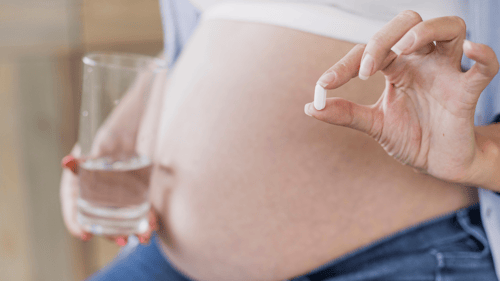
- Folic acid: Women should take at least 400 micrograms of folic acid daily (maximum 1,000 micrograms) from before conception until the end of the first trimester. This reduces the risk of neural tube (brain and spinal cord) defects in the baby.
- Iodine: Essential for foetal brain development. Women who are pregnant or breastfeeding should take at least 150 micrograms of iodine daily.
- NAD+: A coenzyme critical for cellular energy metabolism and DNA repair, NAD+ levels decline with age, affecting egg quality and ovarian function. Studies suggest that NAD+ supplementation may help improve egg quality and increase chances of conception.
8. Avoid Smoking and Alcohol
Both smoking and alcohol harm egg and sperm health, reducing fertility and making conception more difficult. Alcohol can pass through the placenta, impair foetal organ development, and even cause intellectual disability (termed Foetal Alcohol Syndrome).
9. Limit Caffeine Intake
It is advisable to avoid high-caffeine energy drinks, strong tea, or coffee, as excessive caffeine may increase the risk of miscarriage or low birth weight.
Scientific Preconception Care for a Healthy Pregnancy
Preparing for pregnancy is a holistic process involving psychological, physical, nutritional and lifestyle adjustments. While women of advanced maternal age may face greater challenges, it is still possible to conceive successfully through scientific methods and proper health management. If you and your partner are planning a pregnancy, consult our family doctor, obstetrician or gynaecologist to create a tailored preconception plan. Together, let us prepare to welcome new life in the healthiest way possible.
References
- The Family Planning Association of Hong Kong, (n.d.) Pre-pregnancy Check-up. Retrieved 21 Aug 2025 from https://www.famplan.org.hk/en/our-services/clinic-services/pre-marital-fertility-preparation/pre-pregnancy-check-up/content
- Cleveland Clinic, (2025) The Best Age To Get Pregnant. Retrieved 21 Aug 2025 from https://health.clevelandclinic.org/best-age-to-get-pregnant
- The American College of Obstetricians and Gynecologists, (2022) Pregnancy at age 35 years or older ACOG Obstetric Care Consensus No. 11. Obstetrics & Gynecology 2022;140:348-366.
- Johns Hopkins Medicine, (n.d.) Advanced Maternal Age. Retrieved 21 Aug 2025 from https://www.hopkinsmedicine.org/health/conditions-and-diseases/advanced-maternal-age
- 衛生署家庭健康服務, (2025) 預備懷孕你要知. Retrieved 21 Aug 2025 from https://www.fhs.gov.hk/tc_chi/health_info/woman/30076.html
- Stanford Medicine, (n.d.) Nutrition Before Pregnancy. Retrieved 21 Aug 2025 from https://www.stanfordchildrens.org/en/topic/default?id=nutrition-before-pregnancy-90-P02479
- Family Health Service, (2025) Do you have adequate iodine? Retrieved 21 Aug 2025 from https://www.fhs.gov.hk/english/health_info/woman/30146.html
- Bertoldo, M.J., et al., (2020). NAD+ Repletion Rescues Female Fertility during Reproductive Aging. Cell Reports, 30(6), pp.1670-1681.e7.