 Central General Practice
 Repulse Bay
 Clearwater Bay
 BodyWorX Clinic
 Central Specialist Clinic
 MindWorX Clinic
 Family Clinic
 OT&P Annerley Midwives Clinic
 WellWorX Clinic


Wanting children is a desire shared by many women, but unfortunately, our bodies impose a time limit on this dream. Anything from your career to your personal life can leave you stressed as the opportunity for motherhood grows narrower, and it’s not just your biological clock to consider, either; various medical treatments and health conditions affecting fertility can also impact your ability to have children in the future.
No matter the hurdle in your path, freezing your eggs is an option that can help you maintain your motherhood dreams.
What Does it Mean to Freeze Your Eggs?
Egg freezing, scientifically known as oocyte cryopreservation, is a medical procedure that preserves eggs until you are ready to use them. The minor procedure consists of retrieving follicular fluid from the ovaries, isolating the unfertilised eggs, and freezing them until you are ready for them to be fertilised and transferred to your uterus.
Oocyte cryopreservation is not a new procedure; the first successful pregnancy utilising previously frozen eggs resulting in a live birth occurred in 1986, and since then, laboratory techniques have continued to improve, leading to greater odds of success. Based on findings from a 2023 study, egg survival rate post-thaw is 74%, and 34% of women who undergo embryo transfer have a successful birth.
These advancements in fertility preservation offer more opportunities for women to begin a family when they are ready.
Why Should I Consider Egg Freezing?
Every woman is born with a set number of eggs—the body does not produce eggs on an as-needed basis in the way that the male body continually produces sperm. This means that women have a finite number of opportunities for pregnancy, and the odds become bleaker as egg quality declines with age.
Your egg supply starts to decline more rapidly at the age of 37, and by the time most women are 43, the chance of conceiving drops to less than 5% per menstrual cycle. Knowing this, the sooner you freeze your eggs—specifically if you freeze your eggs before 40—the greater odds you have of achieving pregnancy in the future.
In addition to preserving your fertility, egg freezing also reduces the chances of your child having a genetic disorder. This is because egg quality decreases with age, which means the likelihood of eggs containing abnormalities that may develop into genetic disorders increases. With oocyte cryopreservation, eggs in optimal health are frozen, reducing the risk of future health challenges.
Egg freezing may be a good option for women:
- With time-intensive careers that make motherhood a challenge at this point in their lives.
- Who are not in a serious relationship and are concerned that they may not reach the point of growing a family before their eggs begin to decline in quality.
- Who are not ready to start a family yet but want to keep that option open for the future.
- Preparing for medical procedures that can impact fertility, such as chemotherapy, gender-affirming surgery, or treatment of severe endometriosis.
- With an autoimmune disease that can affect fertility.
- At risk of premature ovarian failure.
Egg freezing allows you to take back control of your fertility, despite the many factors outside of your control that otherwise affect it.
What is the Egg Freezing Process?
The egg freezing process consists of multiple steps, but it’s a relatively straightforward procedure: egg development is encouraged, the eggs are surgically removed once they have matured, and then they are frozen for future use.
In more detail, these are the steps you can expect with egg freezing:
- Multiple eggs are encouraged to develop simultaneously (rather than one per month) thanks to self-injected hormone medications. These injections are administered by yourself, a partner, or a friend every day for 10 to 12 days.
- Multiple pelvic ultrasounds and frequent bloodwork are used to track egg development and hormone levels.
- Once the eggs are determined to be mature, an ultrasound-guided procedure is performed to retrieve them. It is a 20-30 minute outpatient procedure completed under anaesthesia.
- The eggs are then verified as mature by an embryologist (someone who is trained to examine embryos and eggs). A mature egg means that the egg has the potential to be fertilised.
- The harvested eggs undergo vitrification, a method that rapidly freezes them. They’re then stored in liquid nitrogen tanks in an embryology lab. The lab features around-the-clock monitoring to ensure that equipment operates as expected and maintains the correct temperature.
- When you are ready to use the eggs, they are thawed and fertilised with sperm from your partner or a donor. The fertilised eggs are then implanted in the uterus.
Factors Influencing Outcomes
The success rate of egg freezing can depend on your age at the time of egg retrieval, the number of eggs available for retrieval, and your overall reproductive health. These three factors affect the health of the eggs and the number of viable eggs available for future fertilisation.
Taking care of yourself leading up to egg freezing can help increase your odds of success, since taking care of your body can help keep your ovary and eggs healthy, which in turn increases the odds of success in retrieving, fertilising, and transferring the eggs.
In preparation for egg freezing, try to focus on:
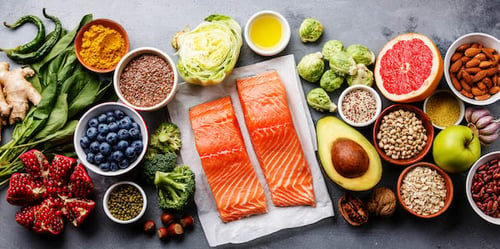
- Eating a balanced diet full of fruits, vegetables, and lean proteins
- Avoiding smoking and drug use
- Limiting alcohol
- Getting regular physical activity
- Maintaining a healthy weight
- Taking a prenatal vitamin
- Getting enough sleep
Another option to help promote the integrity of your eggs is to use NAD+ patches. NAD+ (nicotinamide adenine dinucleotide) is a coenzyme found in all cells that helps with cellular metabolism, DNA repair, and cellular signalling. Declining NAD+ levels have been linked to a decline in egg quality, but replenishing NAD+ levels (such as through NAD+ patches) can help rejuvenate egg quality and increase the number of viable eggs available for retrieval.
Potential Risks and Considerations
There are potential side effects associated with egg freezing. Specifically, the medication taken to induce ovulation can cause:
- Headaches
- Abdominal bloating
- Nausea
- Moodiness
- Pelvic discomfort
- Weight gain
- Breast tenderness
- Fatigue
Additionally, severe ovarian hyperstimulation can occur during ovulation induction. This side effect is rare but can cause life-threatening symptoms such as blood clots. This is why practitioners closely monitor egg development and discontinue the procedure if there are any signs of ovarian hyperstimulation syndrome.
It is also important to be aware that egg freezing does not guarantee future pregnancy—it is possible that some of your eggs do not survive the freezing, thawing, or fertilisation process.
Schedule a Consultation
Egg freezing offers an opportunity for women to pursue motherhood at a time that better fits their needs or preserve their fertility in spite of medical procedures needed to save or improve their lives. Discuss with a healthcare practitioner to learn more about egg freezing and determine if it is a suitable option for you.

References
- Han, E. and Seifer, D.B. (2023). Oocyte Cryopreservation for Medical and Planned Indications: A Practical Guide and Overview. Journal of Clinical Medicine, 12(10), pp.3542–3542. https://doi.org/10.3390/jcm12103542.
- The American College of Obstetricians and Gynecologists. (2022). Female Age-Related Fertility Decline. Available at: https://www.acog.org/clinical/clinical-guidance/committee-opinion/articles/2014/03/female-age-related-fertility-decline.
- Reproductive Facts (2025). Age and Fertility patient education booklet. Available at: https://www.reproductivefacts.org/news-and-publications/patient-fact-sheets-and-booklets/documents/fact-sheets-and-info-booklets/age-and-fertility/.
- Owen, A., Carlson, K. and Sparzak, P.B. (2024). Age-Related Fertility Decline. Nih.gov. Available at: https://www.ncbi.nlm.nih.gov/books/NBK576440/.