 Central General Practice
 Repulse Bay
 Clearwater Bay
 BodyWorX Clinic
 Central Specialist Clinic
 MindWorX Clinic
 Family Clinic
 OT&P Annerley Midwives Clinic
 WellWorX Clinic

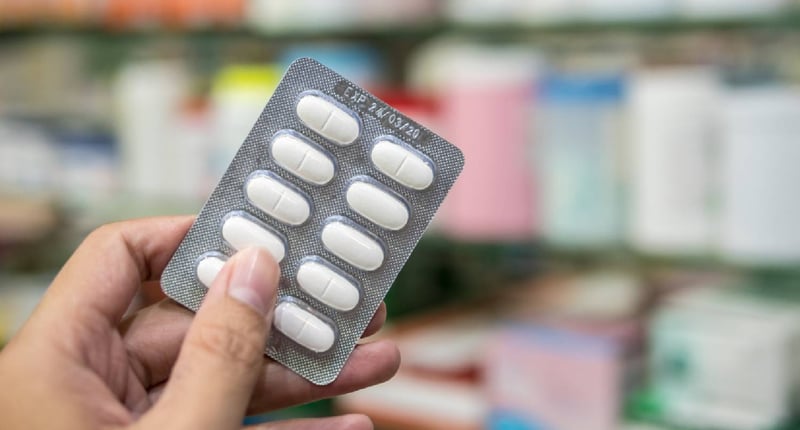
After snapping up a bargain flight, the next question is always the same: which medicines should you pack? Most households already keep some over-the-counter medicines on hand, typically paracetamol and cold and flu remedies. We have put together a comprehensive checklist of essential medicines for both home and travel, so that whether you are heading overseas or simply managing everyday ailments at home, you can look after yourself and your family, even when you cannot see a doctor straight away.
Which over-the-counter medicines should you keep at home?
"Keeping medicines at home" is, as the Cantonese expression goes, having remedies ready "just in case." Apart from prescription medications required by those with chronic conditions, we all experience minor illnesses from time to time that call for immediate relief. Below are the most common household essentials:
- Paracetamol: One of the most widely used analgesic and antipyretic medicines in Hong Kong, paracetamol is primarily used for pain relief and reducing fever. Although it is safe at standard doses, patients with impaired liver function should exercise caution, as it may cause further liver damage or, in severe cases, prove fatal.
- Anti-inflammatory painkillers: Ibuprofen is a commonly used, non-prescription anti-inflammatory painkiller that helps relieve muscle pain and sprains, and can also ease menstrual cramps. Like paracetamol, ibuprofen has fever-reducing properties. This type of painkiller should not be taken on an empty stomach. If you experience stomach pain or heartburn after taking ibuprofen, you should stop using it and ask a doctor for advice. Ibuprofen may also interact with certain prescription medicines, so if you are unsure whether it is appropriate for you, consult your doctor or pharmacist first.
- Antihistamines: These are a class of oral anti-allergy medications categorised as either sedating or non-sedating. When you have an allergic reaction, your body releases histamine as part of its defence against harmful substances, and histamine triggers inflammation. Antihistamines work by blocking histamine, thereby relieving allergy symptoms. They can also ease hay fever and other allergic reactions, including hives, itching, sneezing, watery eyes and a runny nose, and can reduce pain and swelling caused by wasp or bee stings.
- Antacids: These help neutralise stomach acid, relieving indigestion and heartburn, and are commonly used to treat peptic ulcers. Common antacids include magnesium trisilicate and aluminium hydroxide. However, taking antacids may slow the absorption of other anti-ulcer medicines, tetracyclines and iron supplements, thereby reducing their effectiveness.
- Hydrocortisone cream (topical corticosteroid): A relatively mild corticosteroid that helps treat skin inflammation, insect bites and eczema. It is important to note that hydrocortisone cream should not be applied to a large surface area, or for longer than 7 days unless prescribed by a doctor. Although there are many types of topical corticosteroids, only hydrocortisone acetate 1% and clobetasone butyrate 0.05% can be purchased under the supervision of a pharmacist; all others are prescription-only medicines. Prolonged use of corticosteroids may cause skin thinning, stretch marks, worsening of skin infections and acne, so they must always be used in accordance with the instructions of your pharmacist or doctor.
- Antiseptic cream: Used to treat minor grazes, cuts and bites, and to help prevent infection.

Which medicines should you pack for travel?
Having adequate medicines at home can address many minor ailments. Packing a well-prepared travel medicine kit gives you extra reassurance when you are abroad:
- You may face language barriers that make it difficult to purchase medicines suited to your needs
- You may be unable to read the ingredients listed on medicine packaging
- Medicine quality can vary from country to country
- Not every city has pharmacies or convenience stores as readily accessible as those in Hong Kong, and finding one in an emergency may take time
- Public hospital systems and ambulance response times vary significantly between countries
Even if you hope never to use your travel medicines, having them on hand helps you respond to emergencies and provides timely symptom relief, making for a smoother trip.
1. Common over-the-counter Medicines
- Anti-diarrhoeal medication (e.g. loperamide /Imodium, or bismuth subsalicylate chewable tablets / Pepto-Bismol): Can help reduce the frequency of loose stools and prevent dehydration.
- Antacids: For occasional heartburn or upset stomach.
- Antihistamines: Useful for allergic reactions and motion sickness or runny nose.
- Injectable epinephrine: Essential for a person who has a history of anaphylaxis.
- Motion sickness tablets
- Cough suppressants or expectorants
- Decongestants
- Pain relief and fever-reducing medication (such as the paracetamol discussed above)
- Mild laxatives
- Mild sedatives or sleep aids
2. Prescription Medications
If you are on prescribed medications, ensure you have enough to last your entire trip. It's also prudent to carry copies of your prescriptions and possibly a letter from your doctor. This documentation can be helpful if you need to explain your medications to customs agents, or if you need to obtain more medication while abroad, or should you lose your carry-on stock of prescription medicines.
3. Preventative Medications and Vaccinations
Depending on your destination, you may need specific vaccinations or medications as a preventative measure:
-
Malaria prophylaxis: If you're travelling to a region where malaria is prevalent or endemic.
- Yellow fever vaccination: If you are travelling to certain parts of Africa or South America, or if your destination country requires proof of vaccination before you can enter.
- Altitude sickness medication: Necessary if you’re planning to trek in high-altitude areas.
- Insect repellent and anti-itch cream: To protect against and treat bites from mosquitoes or other insects.
Consult with your doctor well in advance of your trip to ensure that you receive all necessary immunisations and preventative treatments.
4. Basic First Aid Supplies
-
Bandages (in various sizes)
- Gauze
- Adhesive tape
-
Rubbing alcohol (for disinfection)
-
Adhesive plasters
-
A small pair of scissors and tweezers (for cutting tape, removing splinters)
These supplies will help you manage minor injuries, such as minor cuts/wounds, scrapes, and blisters.
5. Sun Protection
Sunscreen is a must-have in your travel kit, regardless of the climate. Choose a broad-spectrum sunscreen with at least SPF 30. In addition to sunscreen, consider packing a lip balm with SPF and a small hat or cap for additional protection. Bring after sun lotion in case of sunburn.
6. Water Purification
Access to safe drinking water is crucial. Include a small water filter or water purification tablets in your kit. These can be lifesavers in regions where water quality is questionable.
7. Miscellaneous Items
- Hand sanitiser and soap: To keep your hands clean and prevent the spread of germs and reduce the risk of infection.
- Thermometer: To check for fever.
- Surgical face masks: To protect you and others against bacteria and virus spread via droplets.
- Measuring device: If you are traveling with children and bringing medications in liquid form, bring oral syringe or dosing spoon.
- Copies of important documents: Including your passport, travel insurance, and emergency contacts.
Keep your travel medicine kit in a cool, dry place and make sure all items are within their expiration dates. Use waterproof bags to protect items from moisture and damage. Customise your travel medicine kit based on your destination, the length of your trip, and your medical history. Consider the local climate and potential health risks. For longer trips, more comprehensive supplies might be necessary.
Important precautions
Although we all hope to stay healthy and never need to take medication, prevention is better than cure. It is important to regularly check that your home medicine supply has not been damaged or expired, and to prepare your travel medicine kit and first aid items before departure.
If you are unsure which medicines to bring on your trip, consult your family doctor before making any purchases. Pregnant women and those with chronic conditions should seek advice from their family doctor before travelling, and carry sufficient supply of their current medications (e.g. patients with diabetes should bring their insulin), along with a medical summary and medication list prepared by their doctor, so that prescriptions can be arranged promptly should an emergency arise during the trip.


Dr Shiba Poon
- LMCHK
- MBBS (Lond)
- DRCOG
- DCH (RCPCH)
- PGDipClinDerm (Lond)
- MRCGP
- Honorary Clinical Assistant Professor In Family Medicine (HKU)
Health Articles by Dr Shiba Poon

-1.png?width=768&name=%5BMKT%5DWebsite%20Blog%20Photo%20(40)-1.png)


-2.png?width=768&name=%5BMKT%5DWebsite%20Blog%20Photo%20(27)-2.png)

-2.png?width=768&name=%5BMKT%5DWebsite%20Blog%20Photo%20(22)-2.png)
-1.png?width=768&name=%5BMKT%5DWebsite%20Blog%20Photo%20(21)-1.png)
-2.png?width=768&name=%5BMKT%5DWebsite%20Blog%20Photo%20(16)-2.png)

-4.png?width=768&name=%5BMKT%5DWebsite%20Blog%20Photo%20(3)-4.png)

References
- National Institute on Aging (NIA). (2023). 'Taking medicines safely as you age.' Available at:https://www.nia.nih.gov/health/medicines-and-medication-management/taking-medicines-safely-you-age [Accessed: 11 June 2026].
- Ghlichloo, I. and Gerriets, V. (2023). 'Nonsteroidal Anti-Inflammatory Drugs (NSAIDs).' In: StatPearls [Internet]. Treasure Island (FL): StatPearls Publishing. Available at: https://www.ncbi.nlm.nih.gov/books/NBK547742/ [Accessed: 11 June 2026].
- Farzam, K., Sabir, S. and O'Rourke, M.C. (2025). 'Antihistamines.' In: StatPearls [Internet]. Treasure Island (FL): StatPearls Publishing. Available at: https://www.ncbi.nlm.nih.gov/books/NBK538188/ [Accessed: 11 June 2026].
- Vordenberg, S.E. (2023). 'Nonprescription Heartburn Medications for Adults.' JAMA, 330(15), p. 1499. Available at: https://doi.org/10.1001/jama.2023.16280.
- British Association of Dermatologists (BAD). (2023). 'Topical Corticosteroids: Patient Information Leaflet.' Available at: https://www.bad.org.uk/pils/topical-corticosteroids [Accessed: 11 June 2026].
- Lohr, J. (2018). 'Health Guidelines for Travel Abroad.' Primary Care: Clinics in Office Practice, 45(3), p. 541. Available at: https://doi.org/10.1016/j.pop.2018.05.012.
- Centers for Disease Control and Prevention (CDC). (2024). 'Pack Smart.' CDC Travelers' Health. Available at: https://wwwnc.cdc.gov/travel/page/pack-smart [Accessed: 11 June 2026].
- Centers for Disease Control and Prevention (CDC). (2024). 'Travel Health Kits.' In: CDC Yellow Book: Health Information for International Travel. Atlanta: CDC. Available at: https://www.cdc.gov/yellow-book/hcp/preparing-international-travelers/travel-health-kits.html [Accessed: 11 June 2026].
- World Health Organization. (2023). 'International travel and health.' Available at: https://imhf-portal.org/wp-content/uploads/2023/12/WHO-International-Travel-and-Health.pdf [Accessed: 12 June 2026].
- National Health Service. (2023). 'Travel health.' Available at: https://www.nhs.uk/conditions/travel-vaccinations/ [Accessed: 12 June 2026].
- American Red Cross. (2024). 'Travel first aid kit essentials.' Available at: https://www.redcross.org/take-a-class/resources/articles/travel-first-aid-kit-essentials [Accessed: 12 June 2026].
- Australasian College of Tropical Medicine. (2025). 'Pre-travel consultation guidelines.' Available at: https://www.tropmed.org/wp-content/uploads/2025/06/ACTM_PreTravel_Guidlines_2025-06-12.pdf [Accessed: 12 June 2026].
- U.S. Food and Drug Administration. (2024). 'Sunscreen: how to help protect your skin from the sun.' Available at: https://www.fda.gov/drugs/understanding-over-counter-medicines/sunscreen-how-help-protect-your-skin-sun [Accessed: 12 June 2026].