 Central General Practice
 Repulse Bay
 Clearwater Bay
 BodyWorX Clinic
 Central Specialist Clinic
 MindWorX Clinic
 Family Clinic
 OT&P Annerley Midwives Clinic
 WellWorX Clinic

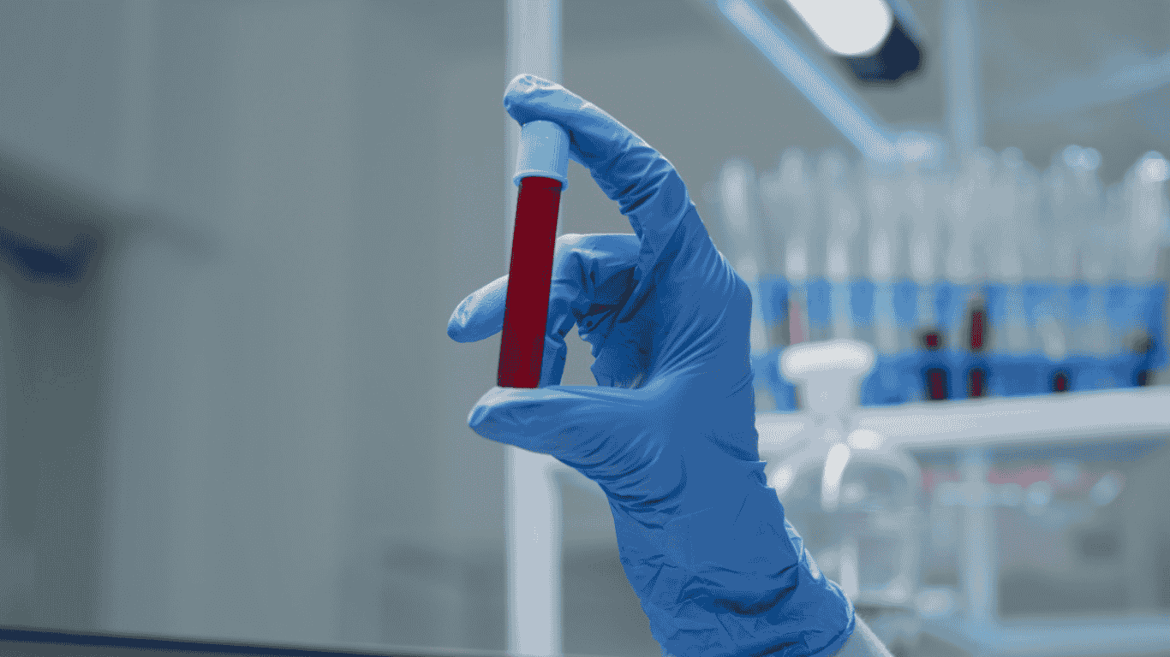
With the development of personalised medicine, cancer diagnosis technology is constantly evolving. Although traditional biopsies (“needle” or tissue biopsy) are the proven method for establishing diagnosis, its invasive nature and associated risks often prompts hesitation from patients. As a non-invasive testing method, liquid biopsy has gradually gained attention in clinical practice in recent years. By analysing tumour-related biomarkers in blood or other bodily fluids, liquid biopsies have opened up new possibilities for early cancer screening and detection, treatment monitoring, and recurrence prediction.
What is liquid biopsy?
Liquid biopsy is an emerging, minimally invasive cancer screening/detection technique that analyses tumour-related molecules (such as circulating tumour DNA [ctDNA], circulating tumour cell [CTC], exosome, microRNAs, etc.) in blood, urine, or other body fluids. This technique aids doctors in making a diagnosis, monitoring progression and post-treatment surveillance.
Clinical Applications of liquid biopsy
Applications of liquid biopsy include:
- Early Cancer Screening: A single liquid biopsy can cover multiple cancer-related mutation genes, detecting potential abnormal signals before a tumour has formed an obvious lesion.
- Treatment Monitoring: Tracking changes in tumour biomarkers during treatment to evaluate its efficacy.
- Recurrence Prediction: Detecting minimal residual disease to predict the risk of recurrence.
- Tumour Gene Analysis: Providing a basis for personalized treatment to select targeted therapies.
Liquid Biopsy VS Tissue Biopsy
| Comparison | Liquid Biopsy | Tissue Biopsy |
| Sample Source | Blood, urine, bodily fluid | Tumour tissue |
| Invasiveness | Lower | Higher |
| Repeatability | Can be repeated multiple times | Hard to repeat |
| Sensitivity |
Lower, especially in the early stages of cancer (depends on technology and tumour release markers) |
Higher |
| Specificity | Lower | Higher |
| Risk | Lower | Higher, with risks of bleeding and infection |
| Testing time | Shorter (a few days) | Longer (one week or above) |
Currently, tissue biopsy remains the gold standard for cancer diagnosis, while liquid biopsy serves as an auxiliary tool that can provide doctors and patients with more comprehensive information.
Who is Suitable for Liquid Biopsy?
In addition to patients already diagnosed with cancer, individuals at high risk for cancer can also undergo regular liquid biopsies to monitor gene mutations and detect potential tumours early. The following individuals may consider undergoing liquid biopsy:
- Individuals with a family history of cancer
- Patients whose tumour tissue is insufficient
- Patients for whom tissue biopsy is not suitable
Common Liquid Biopsy Tests
- Lucence INSIGHT™: Utilizes next-generation sequencing (NGS) technology to analyse ctDNA for early cancer screening, capable of detecting up to 50 types of cancer from a single blood draw.
- Cell Search® Circulating Tumour Cell Kit: Detects CTCs for screening metastatic breast cancer, colorectal cancer, and prostate cancer.
- cobas® EGFR Mutation Test v2: Analyses ctDNA to detect EGFR gene mutations, suitable for patients with metastatic non-small cell lung cancer (NSCLC), helping doctors choose appropriate treatments.
- Guardant360® CDx: Analyses ctDNA to detect common gene mutations, serving as a companion diagnostic for NSCLC treatment.
- FoundationOne® Liquid CDx: Analyses ctDNA to detect common gene mutations, applicable to various cancers.
Applications of Liquid Biopsy in Hong Kong
Currently, both public and private healthcare institutions in Hong Kong have introduced and widely applied liquid biopsy, including Lucence INSIGHT™, circulating tumour cell testing, Guardant360® CDx, and more.
OT&P also offers liquid biopsy services, please feel free to contact us for more information.
Summary
Liquid biopsy demonstrates tremendous potential in early cancer detection and personalised treatment. As research advances and clinical applications expand, liquid biopsy will become a crucial component of future cancer management.

References
- Ma, L., et al., (2024). Liquid biopsy in cancer current: status, challenges and future prospects. Signal Transduction and Targeted Therapy, 9(1).
- Cleveland Clinic, (2022) Liquid Biopsy. Retrieved 3 July 2025 from https://my.clevelandclinic.org/health/diagnostics/23992-liquid-biopsy
- Lone, S.N., et al., (2022). Liquid biopsy: a step closer to transform diagnosis, prognosis and future of cancer treatments. Molecular Cancer, 21(1).
- Connal, S., et al., (2023). Liquid biopsies: the future of cancer early detection. Journal of Translational Medicine, 21(1).
- HKU Med support+, (n.d.) 什麼是癌症基因檢測? (進階篇). Retrieved 3 July 2025 from https://support-plus.med.hku.hk/q-and-a.php?id=711d31c4-9275-4b4e-a806-57886924b6c7
- US Food & Drug Administration, (2024) Guardant360 CDx – P200010/S002. Retrieved 3 July 2025 from https://www.fda.gov/medical-devices/recently-approved-devices/guardant360-cdx-p200010s002
- Foundation Medicine, (n.d.) FoundationOne®Liquid CDx. Retrieved 3 July 2025 from https://www.foundationmedicine.com/test/foundationone-liquid-cdx
- Wang, H., et al., (2024). Liquid biopsy for human cancer: cancer screening, monitoring, and treatment. MedComm, 5(6).
- Lucence INSIGHTTM, (n.d.). For Patients. Retrieved 14 July 2025 from https://insight.lucence.com/patients/



.png?length=500&name=%5BMKT%5DWebsite%20Blog%20Photo%20(42).png)