
 Central General Practice
 Repulse Bay
 Clearwater Bay
 BodyWorX Clinic
 Central Specialist Clinic
 MindWorX Clinic
 Family Clinic
 OT&P Annerley Midwives Clinic
 WellWorX Clinic


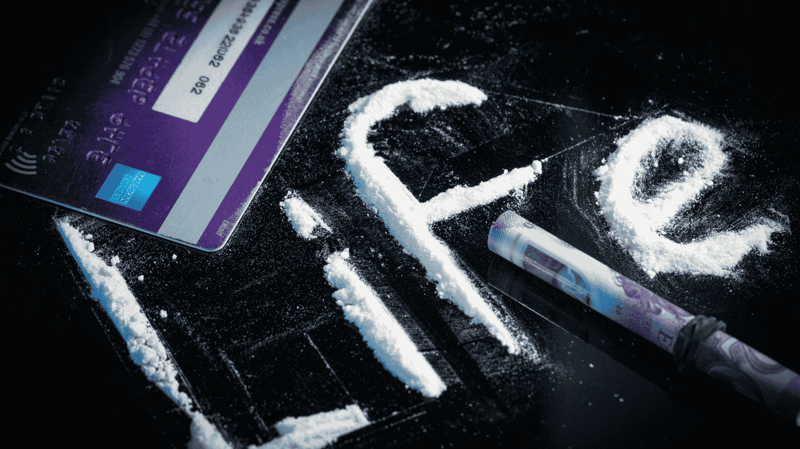
Substance misuse among youth is a major public health concern in Hong Kong. Promisingly, youth cases for people under age 21 dropped by 11% to 659 in 2023.1 However, hidden drug abuse and drug use that continues into adulthood remain a serious issue. Despite a downward trend in youth substance abuse, the overall drug use in Hong Kong still increased by 3% in 2023.1
Substance Use Disorder is categorized as using substances to the point of experiencing social, psychological, physical or legal issues related to intoxication, regular excessive consumption, or dependence. The signs aren't always obvious. Many families struggle with taking the next step when they suspect substance misuse in a teen or adolescent. Learn about risk factors, warning signs, and treatment options.
What Does Harmful Substance Use Look Like for Hong Kong's Youth?
The trend toward substance abuse typically follows a cycle of curiosity, experimentation, regular use, harmful use, and dependence. What begins as "social" substance use or experimentation can quickly permeate every aspect of life.
Common Substances Misused by Youth in Hong Kong
Here are the most common substances that are misused by Hong Kong youth:1
- Cocaine: Cocaine is the most widely abused drug by youth in Hong Kong. Among youth users, 55% reported using cocaine in 2023.
- Cannabis: Cannabis is the next most common drug abused. Around 20% of youth users misuse it.
- Etomidate (commonly known as “space oil”): the third most popular drug among young people aged 21 and under.
- Ketamine: Ketamine is also a concern among young people in Hong Kong. About 15% of youth users report using it.
- Methamphetamines: About 10% of youth users misuse Methamphetamines.
Substances like MDMA (ecstasy/molly) come with special risks because they are often cut with unknown stimulants like methamphetamine, synthetic bath salts, or opioids (fentanyl) that can make the effects unpredictable, while also increasing risks for life-threatening overdoses and poisoning.
While usage is lower, at-risk youth in Hong Kong also partake in inhaled solvents, crystal methamphetamine (ice) LSD/hallucinogens, benzodiazepines and other anxiolytics, and steroids.
Risk Factors for Substance Use Disorder in Hong Kong
There’s no way to predict who might develop a substance use disorder, but some factors can make young people more vulnerable. Recognizing these factors can help you respond to your child or teen with empathy and understanding.
It is important to remember that the majority of youths do not have a substance use disorder. In fact, the number of reported young drug abusers aged under 21 declined by 13 percent (from 421 to 368). Still, some factors increase the risk, such as:
- Temperament: Impulsivity, insecurity, aggressive, and antisocial traits are all linked with higher rates of substance use.
- Social Influences: Existing within a culture or subculture that glorifies or normalizes substance use increases a person's likelihood of substance use. Acceptance within a culture or subculture also increases availability.
- Personal Experiences: Youth from restrictive or authoritarian households can be prone to rebellion that leads to experimentation.
- Biological Factors: Most habit-forming substances work by hijacking the brain's reward system.2 For example, MDMA and other stimulants create dopamine and serotonin surges that produce euphoric states. Stimulant drugs release norepinephrine that rapidly increases heart rate and blood pressure for a "rush." These positive feelings teach the brain to repeat behaviors to get the same effect. The way an individual person's brain processes and metabolizes a drug can alter their vulnerability for addiction. This is why substance-use risks are higher among youth with behavioral disorders, ADHD, mood and emotional disorders, and psychotic disorders.
Signs of Teen Substance Misuse
You may be concerned if you notice abrupt changes in your teen’s personality, mood, or academic functioning. Abrupt changes in mood, personality, or behavior can point to drug misuse. Signs that can indicate substance misuse in youth include:
- Academic Changes: Sudden drops in grades or academic performance can point to a preoccupation with substances. This can include loss of interest or motivation for things like tests and homework.
- Behavioral Changes: The physical effects of substance can cause fatigue, malaise, erratic behaviors, and other abrupt changes in personality. This is often reflected in a sudden increase in school disciplinary action.
- Loss of Interest: Suddenly losing interest in passions and pastimes can indicate substance use. For example, a student no longer wanting to play a sport or practice an instrument they once loved.
- Rapid Mood Changes: Moodiness, irritability, or being on edge are potential signs of substance use. Drug "comedowns" or crashes in between usage can create mood volatility.
- Early Drinking (under age 15): Early drinking onset predicts subsequent higher alcohol consumption in late adolescence and alcoholism in adulthood.3
- Change of Friends: A sudden shift to a new peer group can indicate substance-sharing behaviors.
- Antisocial Behavior: Self-isolation, spending time alone in one's room, and breaking away from a circle of friends.3
How can families create an environment where teens feel safe opening up about their mental health?
DO’s
Many parents want to help their teen but feel unsure of how to start the conversation. Here are some tips:
- Address your own internalized fears. Many parents have difficulty talking about mental health-related topics with their teens. If that conversation is too difficult, there are professionals to help you, such as school counselors and mental health professionals.
- Choose the right setting. The setting is important. Make sure it’s somewhere private and comfortable.
- Express gratitude. Thank your teen for opening up. Let them know that you understand how difficult it is.
- Openly express your concerns. Explain what you (and your partner) have noticed (e.g., missing school, being withdrawn, looking sad, skipping meals).
- Get their input. Ask if they have noticed any change in their health.
- Reflect on what they have said. To show that you have listened to your teen, repeat in a calm and non-judgmental way what they have said.
- Let them know that you are there for them. You can say something like “We are here to support you as a family. We will find solutions together. You are not alone.
- Suggest therapy or mental health treatment. Explain how this can help them.
- Pro tip: Sometimes you may need to build up trust over several shorter chats to get them to open up, especially if they are very defensive.
DON’Ts
Navigating concerns about substance use in a child can be emotionally overwhelming, but approaching the situation with compassion and care is key. Avoiding these common pitfalls can help maintain a supportive environment:
- Don’t bombard them with questions or concerns. This can seem judgmental to your teen.
- Overly authoritarian parenting (e.g., "tiger parenting")
- Taunting or mocking the child
- Ignoring or minimizing the child’s feelings and concerns
- Reacting with hostility or aggression
- Blaming the child for all family problems
- Making discouraging statements such as “you have no future”
What Should You Do If You Suspect Substance Misuse in Your Teen?
Early intervention is important for youth substance use. The first step is to have an assessment. Then, you can look at different treatment options for teens.
Treatment for Youth Substance Use
Depending on the substance type and severity of addiction, counseling, medical intervention, or a combination of the two may provide the best outcome. Common approaches include:
- Psychological Intervention: Talk and behavioral therapies help substance users to understand the stakes of the situation. This is also an opportunity to address underlying risk factors tied to behavioral and mental health.
- Family Involvement: A treatment plan modeled after family support removes the secrecy and shame of substance use. Family members can assist with removing barriers to treatment. Opening up the conversation to include family can also reduce self-blame, feelings of indifference, and other obstacles.
- Medical Intervention: In some cases, medical detox is necessary to safely treat substance use. Additionally, psychotropic medication may be prescribed to counteract substance-use risk factors tied to untreated ADHD or other psychiatric diagnosis. Treating ADHD has been shown to dramatically reduce substance-related events in both males (35%) and females (30%), with results holding for two years following initial treatment for males (19%).4

You Don't Have to Address Substance Use Alone
Your family doesn't have to struggle with substance use alone. Whether you have concerns that a loved one is an alcoholic or struggling with illegal drugs, we can help you find treatment paths.



References
- Youth substance misuse Hong Kong. Retrieved October 16, 2025.
- Mustafa, N. S., Bakar, N. H. A., Mohamad, N., Adnan, L. H. M., Fauzi, N. F. A. M., Thoarlim, A., Omar, S. H. S., Hamzah, M. S., Yusoff, Z., & Jufri, M. (2020). MDMA and the brain: A short review on the role of neurotransmitters in neurotoxicity. Basic and Clinical Neuroscience, 11(4), 381-388. https://www.ncbi.nlm.nih.gov/pmc/articles/PMC7878040/
- Sjödin, L., et al. (2024). Early Drinking Onset and Subsequent Alcohol Use in Late Adolescence: A Longitudinal Study of Drinking Patterns. Journal of Adolescent Health, 74(6), 1225–1230. https://doi.org/10.1016/j.jadohealth.2024.02.014
- Quinn, P. D., Chang, Z., Hur, K., et al. (2017). ADHD medication and substance-related problems. American Journal of Psychiatry, 174(9), 877–885. https://pubmed.ncbi.nlm.nih.gov/28659039/


-1.png?length=500&name=%5BMKT%5DWebsite%20Blog%20Photo%20(39)-1.png)

