 Central General Practice
 Repulse Bay
 Clearwater Bay
 BodyWorX Clinic
 Central Specialist Clinic
 MindWorX Clinic
 Family Clinic
 OT&P Annerley Midwives Clinic
 WellWorX Clinic

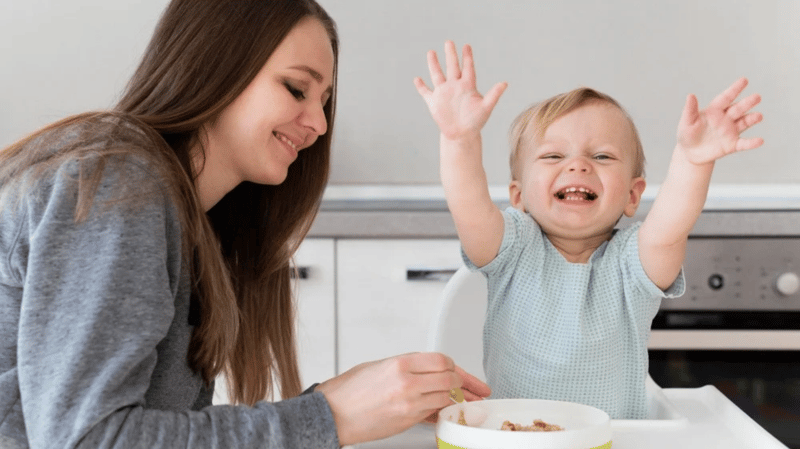
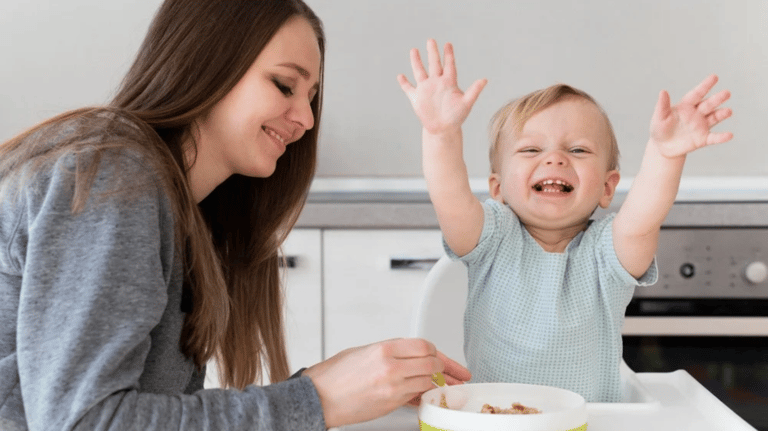
“Just one more bite.” “One more for Mummy.” “Try it, and then you can have dessert.”
These are familiar phrases in many family homes, usually said with the best intentions. Feeding our children is closely connected to care, health and growth, so it is understandable that parents can feel concerned when a child eats very little, refuses a meal or suddenly rejects a food they previously enjoyed.
However, when encouragement becomes persistent pressure, mealtimes can shift away from children recognising and responding to their own hunger, fullness and sensory cues. A responsive approach to feeding allows us to maintain appropriate structure around meals while supporting children to develop autonomy, confidence and body awareness around food.
What is responsive feeding?
Responsive feeding involves observing a child’s communication and responding sensitively to their cues.
This does not mean that the child is completely in charge of meals. Parents and caregivers continue to provide the structure: deciding what foods are available, when meals and snacks are offered and where eating takes place. Within this structure, the child has increasing opportunity to decide whether to eat and how much to eat from what has been provided.
This balance between structure and autonomy is an important part of developing a positive feeding relationship.
For babies beginning solids, this might mean allowing them to reach for food, participate in self-feeding, pause during a meal or communicate that they have had enough.
Babies communicate before they can tell us they are full
One of the most valuable skills parents can develop during early feeding is learning to observe the whole child rather than focusing exclusively on how much has been eaten.
A baby who has had enough may turn their head away, close their mouth, push food away, slow their eating or become disengaged. Behaviours such as rubbing their eyes, becoming unsettled or losing postural stability may also indicate that tiredness or regulation is affecting their ability to continue.
Rather than interpreting one behaviour in isolation, consider the pattern of communication. Is it happening repeatedly? What happened immediately beforehand? Does the baby re-engage after a pause?
This is also where an occupational therapy perspective can be helpful. Eating is not simply a nutritional task. It requires postural stability, motor coordination, sensory processing, attention, oral-motor skills and regulation. Sometimes a child’s behaviour at the table may be communicating something about one of these underlying systems rather than the food itself.
The PAUSE framework
I use a simple framework with families to make responsive feeding easier to apply:
P - Pause the offer
If your baby turns away, closes their mouth or disengages, pause rather than immediately offering another mouthful.
A - Attend to the whole baby
Observe their face, body, posture, hands and alertness. Are they comfortable? Are they becoming tired or overwhelmed?
U - Understand the pattern
Consider whether you have seen one isolated behaviour or repeated communication.
S - Support or simplify
Check positioning, reduce unnecessary distractions, slow the pace or simply allow a short pause.
E - End if cues continue
If your baby repeatedly turns away, keeps their mouth closed, pushes food away or becomes distressed, end the meal calmly.
The aim is not to interpret every movement as a reason to stop. It is to become more observant of a child’s communication and allow that communication to influence what happens next.
The language we use matters
Responsive feeding also includes considering how we talk about food.
Rather than focusing on quantity with phrases such as “one more bite” or “you have to try it”, we can use neutral language that describes the child’s experience:
- “You’re touching the avocado.”
- “That feels different.”
- “You can have a pause.”
- “You’re showing me you’re finished.”
- “We can try it again another day.”
This keeps the adult supportive without making eating a condition for praise, approval or reward.
It also recognises that interaction with food has value even when it does not result in eating. Looking, touching, smelling, licking, bringing food to the mouth, biting and even spitting food out can all form part of learning about food.
Looking beyond one meal
Perhaps the most challenging part of responsive feeding is accepting that an individual meal may not look particularly successful.
Children’s appetites naturally fluctuate, and there will be meals where very little is eaten. Focusing on securing “one more bite” can make the immediate outcome feel more important than the longer-term feeding skills we are trying to develop.
Over time, we want children to recognise hunger and fullness, communicate their needs, explore unfamiliar foods, participate in family mealtimes and gradually develop the skills needed to eat a varied diet.
Responsive feeding is, of course, not a substitute for professional assessment when genuine feeding concerns exist. The following signs should be discussed with a healthcare professional:
-
Persistent difficulties with chewing or swallowing,
-
Significant distress around food
-
A very restricted food repertoire
-
Poor growth, frequent coughing or choking
-
Difficulty progressing through appropriate textures
For many families, however, a useful shift is to move from asking “How can I get my child to eat one more bite?” to “What is my child communicating, and how can I respond?”
The goal is not simply to finish what is on the plate. It is to help children develop the skills, confidence and body awareness that support a positive relationship with food.