 Central General Practice
 Repulse Bay
 Clearwater Bay
 BodyWorX Clinic
 Central Specialist Clinic
 MindWorX Clinic
 Family Clinic
 OT&P Annerley Midwives Clinic
 WellWorX Clinic


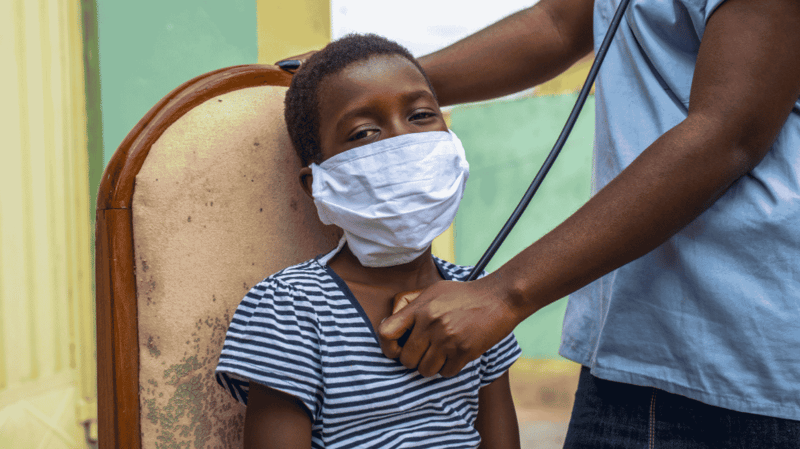
Ebola virus disease (EVD) is a severe, often fatal illness that periodically causes outbreaks most often in parts of sub-Saharan Africa. The disease gets significant media attention during outbreaks. This article addresses seven key questions about Ebola infection considering transmission dynamics, clinical features, and public health implications in order to put concerns and potential anxiety about the disease in context.
Q&A
Q1: What is Ebola virus?
Ebola virus was first identified in 1976 during simultaneous outbreaks in South Sudan and the Democratic Republic of Congo (then Zaire), near the Ebola River, from which it derives its name. Fruit bats are considered the natural reservoir hosts, harbouring the virus without developing illness.
Ebola virus is a member of the Filoviridae family, comprising several species including Zaire Ebolavirus, Sudan Ebolavirus, Bundibugyo Ebolavirus, and Taï Forest Ebolavirus. The current outbreak is caused by the Bundibugyo virus.
Q2: How do humans become infected?
Human infection occurs through contact with infected animals, termed a "spillover event." This typically involves handling or consuming bushmeat from infected fruit bats, non-human primates, or forest antelope. In rural areas where such practices are common, these spillover events initiate outbreaks.
The virus enters through broken skin or mucous membranes following contact with blood, secretions, organs, or other bodily fluids of infected animals. Once a single human is infected, person-to-person transmission can sustain an outbreak.
Q3: Can the Ebola virus spread from person to person?
Yes, but only through direct contact with bodily fluids of symptomatic individuals. Ebola is not airborne and does not spread through casual contact. Transmission requires contact with blood, vomit, faeces, urine, saliva, sweat, semen, breast milk, or other bodily fluids from a person showing symptoms of the disease.
Critically, individuals are not contagious during the incubation period before symptoms appear. Healthcare workers, family members providing care, and those preparing bodies for burial face the highest risk due to close contact with infected fluids. The virus can persist in certain body fluids, particularly semen, for extended periods after recovery, requiring continued precautions.
This transmission pattern differs fundamentally from respiratory viruses like influenza or Covid, which spread through airborne particles and can transmit from asymptomatic individuals.
Q4: What is the incubation period?
The incubation period ranges from 2 to 21 days, with an average of 8-10 days. During this time, infected individuals show no symptoms and cannot transmit the virus. This relatively defined incubation period allows for effective quarantine and contact tracing protocols—if contacts can be monitored for 21 days without developing symptoms, they can be cleared.
Q5: What Disease does it cause?
Ebola virus disease begins with sudden onset of fever, severe weakness, muscle pain, headache, and sore throat. This is followed by vomiting, diarrhoea, rash, and impaired kidney and liver function. In severe cases, patients develop both internal and external bleeding.
The case fatality rate varies by outbreak and available medical care, ranging from 25% to 90%, with an average around 50%. The Zaire ebolavirus species generally produces the highest mortality. Death typically results from multi-organ failure and shock rather than blood loss.
Supportive care—intravenous fluids, electrolyte replacement, oxygen therapy, and treatment of secondary infections—significantly improves survival rates. Monoclonal antibody treatments and antiviral medications developed in recent years have further reduced mortality when administered early.
Q6: Is the current Ebola outbreak a serious public health threat?
Ebola outbreaks represent serious regional public health emergencies in affected areas of Africa. The 2014-2016 West African outbreak infected over 28,000 people and caused more than 11,000 deaths, demonstrating the potential for large-scale impact when outbreaks occur in urban areas with weak health infrastructure.
However, the threat must be contextualized. Outbreaks remain geographically confined to specific regions, primarily in Central and West Africa. Transmission patterns requiring direct contact with symptomatic individuals' bodily fluids mean that standard infection control practices effectively prevent spread in healthcare settings with adequate resources.
The current outbreak is a serious public health threat predominantly because civil unrest and conflict in the infected region is preventing effective public health strategies.
Q7: Could Ebola lead to a Pandemic?
The epidemiological characteristics of Ebola make a global pandemic highly unlikely. Several factors constrain its pandemic potential:
First, transmission requires direct contact with bodily fluids from symptomatic individuals. This allows for identification and isolation of cases before extensive spread. Second, the relatively rapid onset of debilitating symptoms limits infected individuals' mobility and contact with others. Third, the virus does not spread through respiratory droplets or survive well in the environment.
Cases exported to other countries during outbreaks have resulted in limited secondary transmission when standard infection control protocols were properly implemented. The few cases that reached Europe and North America during the 2014-2016 outbreak were contained without community spread.
This contrasts sharply with respiratory viruses capable of asymptomatic transmission and environmental persistence, which possess far greater pandemic potential.
Summary
Ebola virus disease is a severe illness endemic to parts of Africa, with fruit bats serving as natural reservoirs. Human infection begins through contact with infected animals, with subsequent person-to-person spread requiring direct contact with bodily fluids from symptomatic individuals. The incubation period of 2-21 days allows for effective contact tracing. The disease causes fever and multi-organ failure, with case fatality rates averaging 50%. While outbreaks represent serious regional health emergencies, improved treatments, and the virus's transmission requirements make a global pandemic highly unlikely.

Dr David Owens
- MB ChB (Leeds)
- PGDipSEM (Bath)
- MRCGP (UK)
- FHKAM (Family Medicine)
- Honorary Clinical Assistant Professor in Family Medicine (HKU)
Health Articles by Dr David Owens
-3.png?width=768&name=%5BMKT%5DWebsite%20Blog%20Photo%20(1)-3.png)

.png?width=768&name=%5BMKT%5DWebsite%20Blog%20Photo%20(44).png)




Dr David Owens
- MB ChB (Leeds)
- PGDipSEM (Bath)
- MRCGP (UK)
- FHKAM (Family Medicine)
- Honorary Clinical Assistant Professor in Family Medicine (HKU)
Health Articles by Dr David Owens
References
- Centers for Disease Control and Prevention. (n.d.). 'Ebola (Ebola virus disease).' Available at: https://www.cdc.gov/ebola/ [Accessed: 26 May 2026].
- Centers for Disease Control and Prevention. (n.d.). 'Ebola outbreak history.' Centers for Disease Control and Prevention. Available at: https://www.cdc.gov/ebola/outbreaks/index.html [Accessed: 26 May 2026].
- Feldmann, H. and Geisbert, T.W. (2011). 'Ebola haemorrhagic fever.' The Lancet, 377(9768), pp. 849 to 862.
- Malvy, D., McElroy, A.K., de Clerck, H. et al. (2019). 'Ebola virus disease.' The Lancet, 393(10174), pp. 936 to 948.
- World Health Organization. (2024). 'Ebola virus disease.' Available at: https://www.who.int/news-room/fact-sheets/detail/ebola-virus-disease [Accessed: 26 May 2026].