Skip to content

Traditional Chinese Medicine in Central Hong Kong | OT&P Healthcare

Personalised treatment combining Chinese herbal medicine and acupuncture.

Pattern Differentiation TCM-1

Pattern Differentiation and Individualised Treatment in TCM

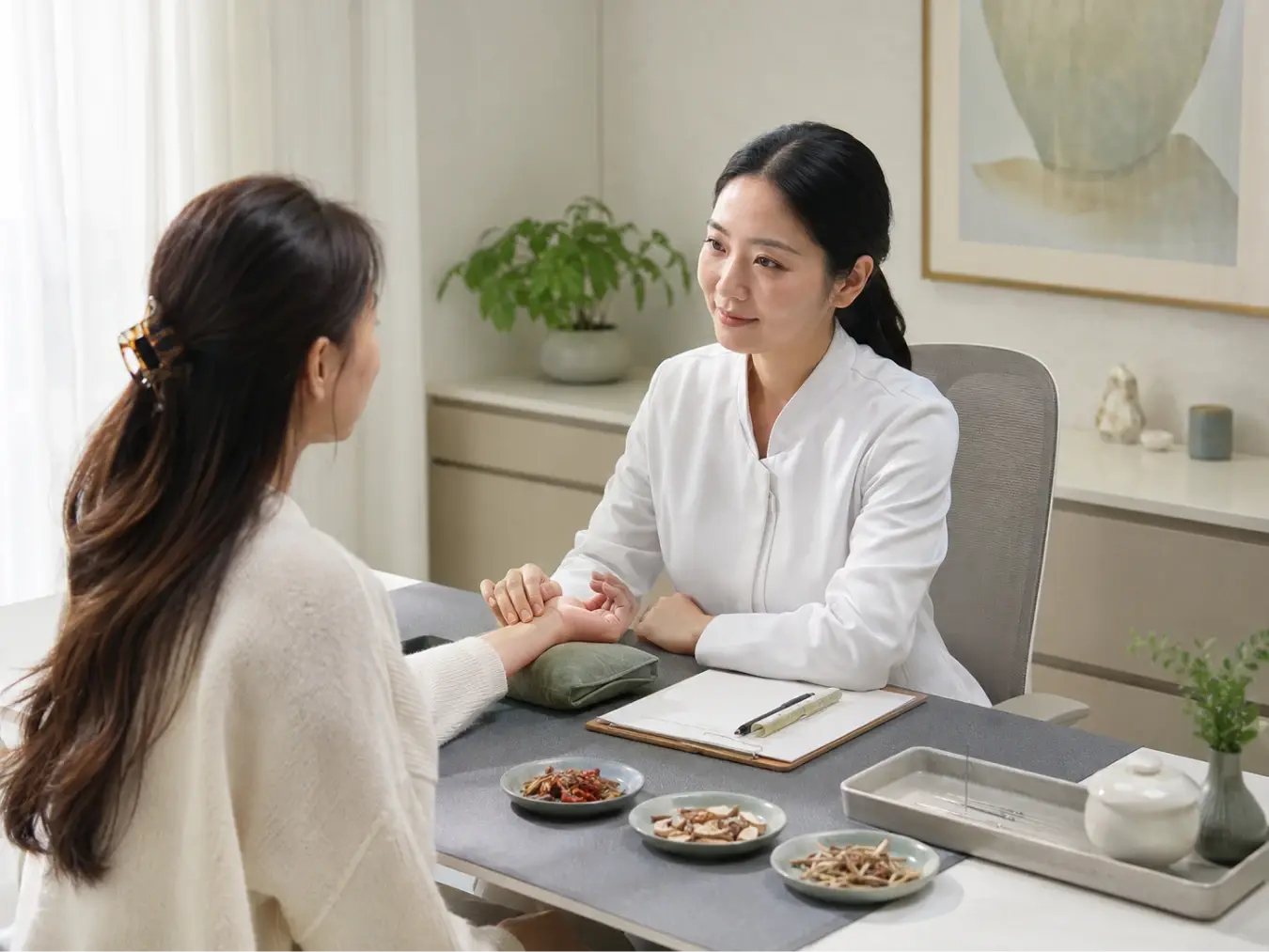
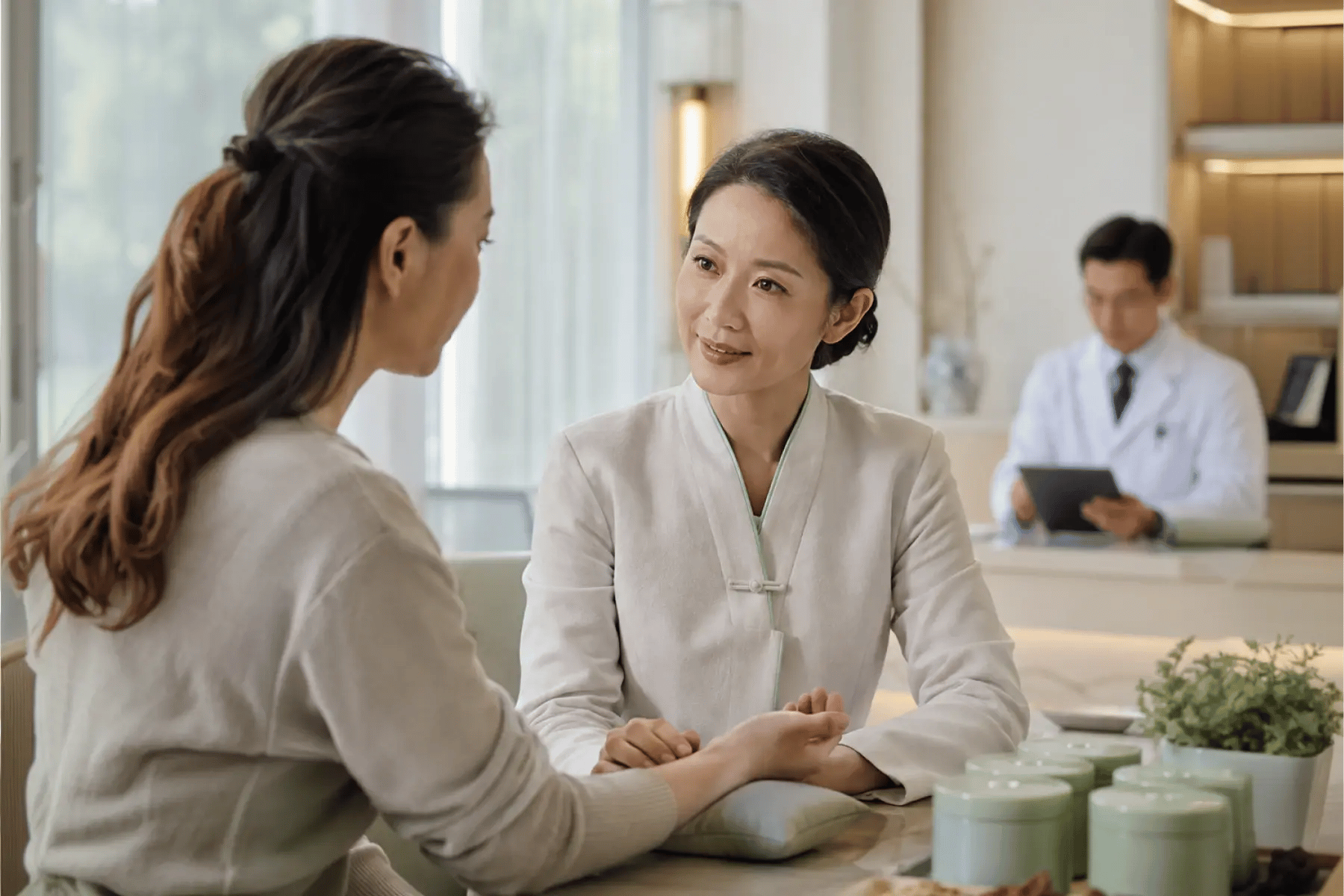
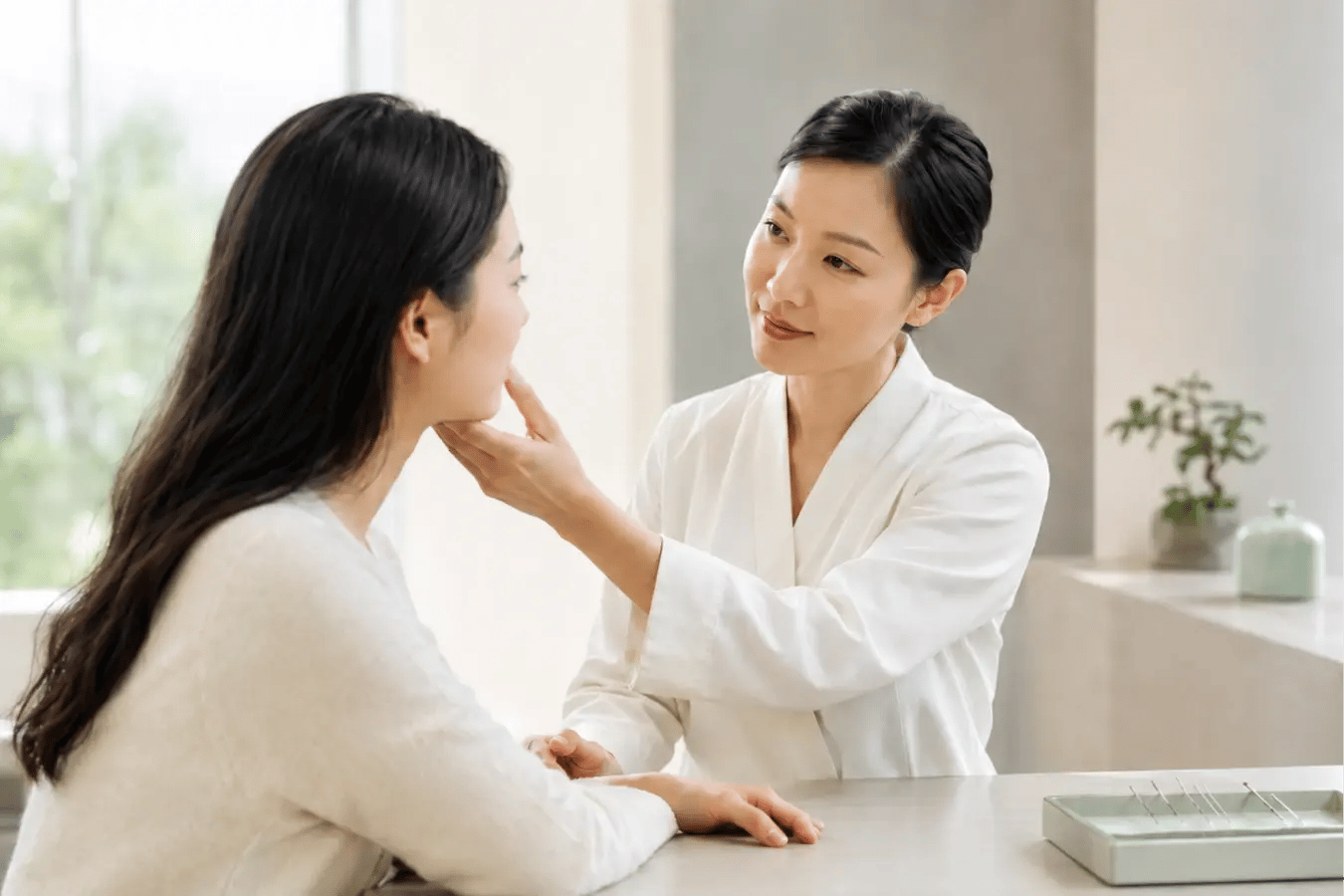
Traditional Chinese Medicine (TCM) has a long and rich history, grounded in theories of yin and yang, the five elements, organ systems and meridians. Through the four diagnostic methods of inspection, listening and smelling, enquiry, and pulse-taking, together with the principle of pattern differentiation, TCM emphasises the holistic balance of body and mind alongside individual constitutional care.

At OT&P Healthcare, our registered Chinese medicine practitioner applies Chinese herbal medicine, acupuncture, cupping and moxibustion to create personalised treatment plans tailored to each patient’s constitution. The practitioner supports patients with across a broad range of health concerns, with a special interest in women’s health and skin conditions. Our TCM practitioner works closely with our Western medicine practitioners.

OT&P TCM Services

Key areas of care, delivered through Chinese herbal medicine, acupuncture and other Traditional Chinese Medicine (TCM) therapies.
TCM-service
TCM Gynaecology-1

TCM Gynaecology

TCM gynaecology is grounded in the foundational theories of Chinese medicine and focuses on the unique physiological and pathological characteristics of women. Through internally administered Chinese herbal medicine combined with acupuncture and other TCM therapies, it addresses a range of gynaecological conditions, including:

• Menstrual irregularities and period pain

• Infertility

• Recurrent miscarriage

• Perimenopausal or menopausal discomfort

• Post-surgical recovery and constitutional adjustment

TCM Dermatology-1

TCM Dermatology

Skin conditions often reflect internal imbalances within the body. TCM dermatology takes a holistic approach, addressing the root cause by regulating Zang-fu organ function, clearing heat and dampness, promoting blood circulation, removing blood stasis, and nourishing qi and blood. Our Chinese medicine practitioners combine internal and topical herbal remedies with acupuncture to provide comprehensive treatment plans for a range of skin conditions.

• Eczema

• Acne

• Rosacea

• Psoriasis

TCM-health-issue

Other Health Issues

Beyond gynaecology and dermatology, TCM may also help support a wide range of general health concerns. Treatment is tailored to each patient’s constitution and may combine acupuncture with Chinese herbal medicine.

  • Musculoskeletal pain: neck, back, and joint pain

  • Digestive discomfort: bloating, and irregular bowel habits

  • Stress, anxiety, and sleep disturbances

  • Fatigue and low energy

  • Headaches and migraines

  • Respiratory and allergy-related symptoms

  • Overall immune and recovery support

Traditional Chinese Medicine Therapies

Time-tested treatments, selected and combined to suit your constitution.
tcm

Chinese Herbal Medicine

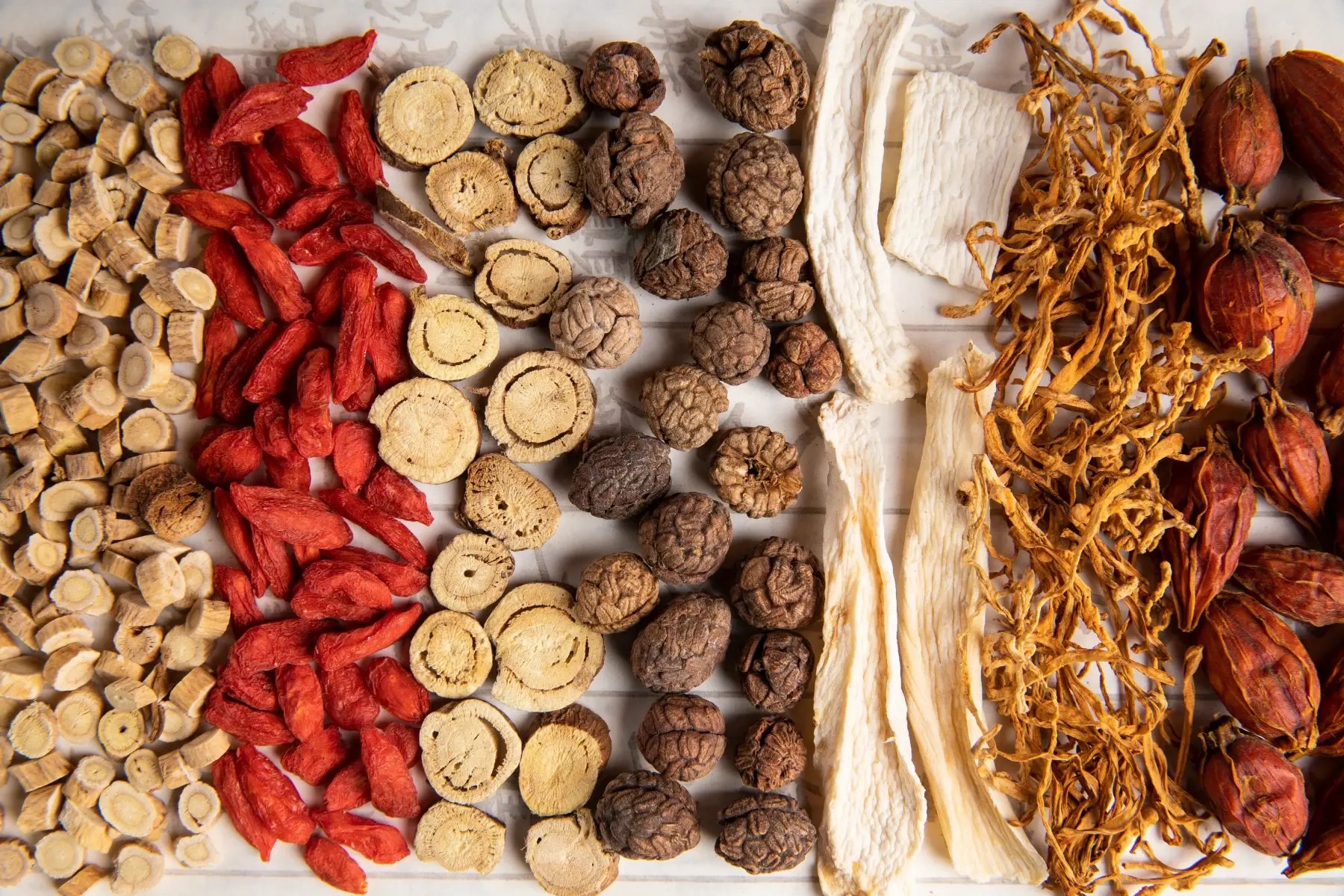
Chinese herbal medicine has a long history, with records dating back to the Shennong Bencao Jing (Classic of Herbal Medicine) of the Qin and Han dynasties, spanning thousands of years of development. TCM theory emphasises holistic regulation, using natural medicinal ingredients to support the body’s vital energy, dispel pathogenic factors and address imbalances of yin and yang. It remains widely used in healthcare today.

Chinese herbal medicine encompasses a vast range of ingredients, each with its own unique applications. Their properties and functions can be distinguished according to three key aspects: the “four natures and five flavours”, “meridian tropism” and “directional tendency of medicinal action”, allowing practitioners to formulate prescriptions tailored to each patient’s constitution.

Benefits of Chinese Herbal Medicine

  • Treats both the root cause and symptoms: Chinese herbal prescriptions do not merely target individual symptoms but also address the underlying causes, achieving longer-lasting results.

  • Supports management of chronic conditions: For constitutional issues requiring ongoing care, Chinese herbal medicine can bring about gradual improvements, addressing health concerns at their root.

  • Flexible prescription adjustments: Practitioners adjust herbal formulations at each follow-up consultation based on the patient's current condition, tailoring the prescription to individual needs.

  • Broad range of applications: Chinese herbal medicine has an extensive scope of use, from colds, coughs, and digestive complaints to gynaecological and internal medicine issues.

Acupuncture

variety_of_dried_herbs_and_spices_displayed_2026_01_07_23_13_40_utc_2

Acupuncture & Herbal Chinese Medicine: A Complementary Approach in TCM

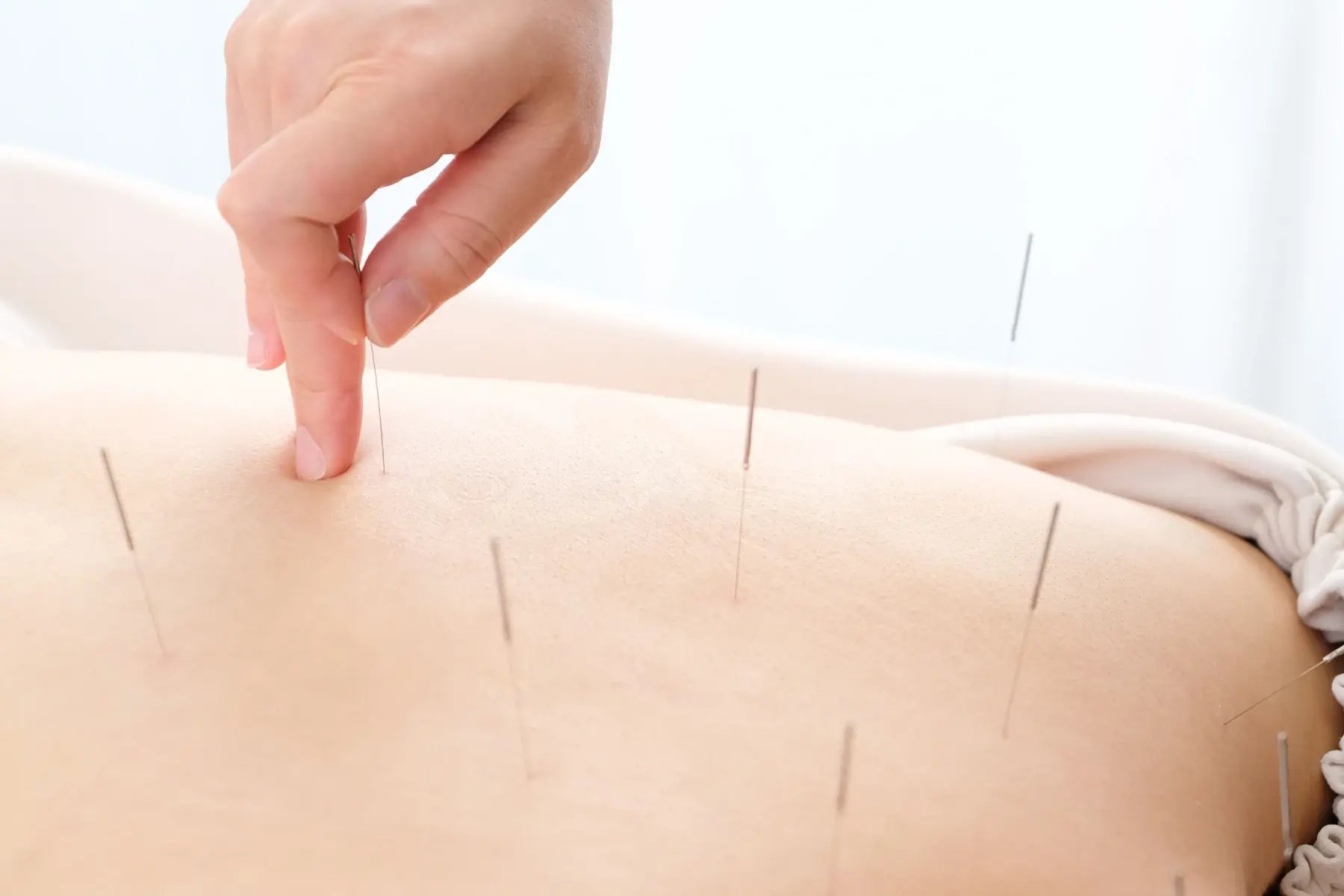
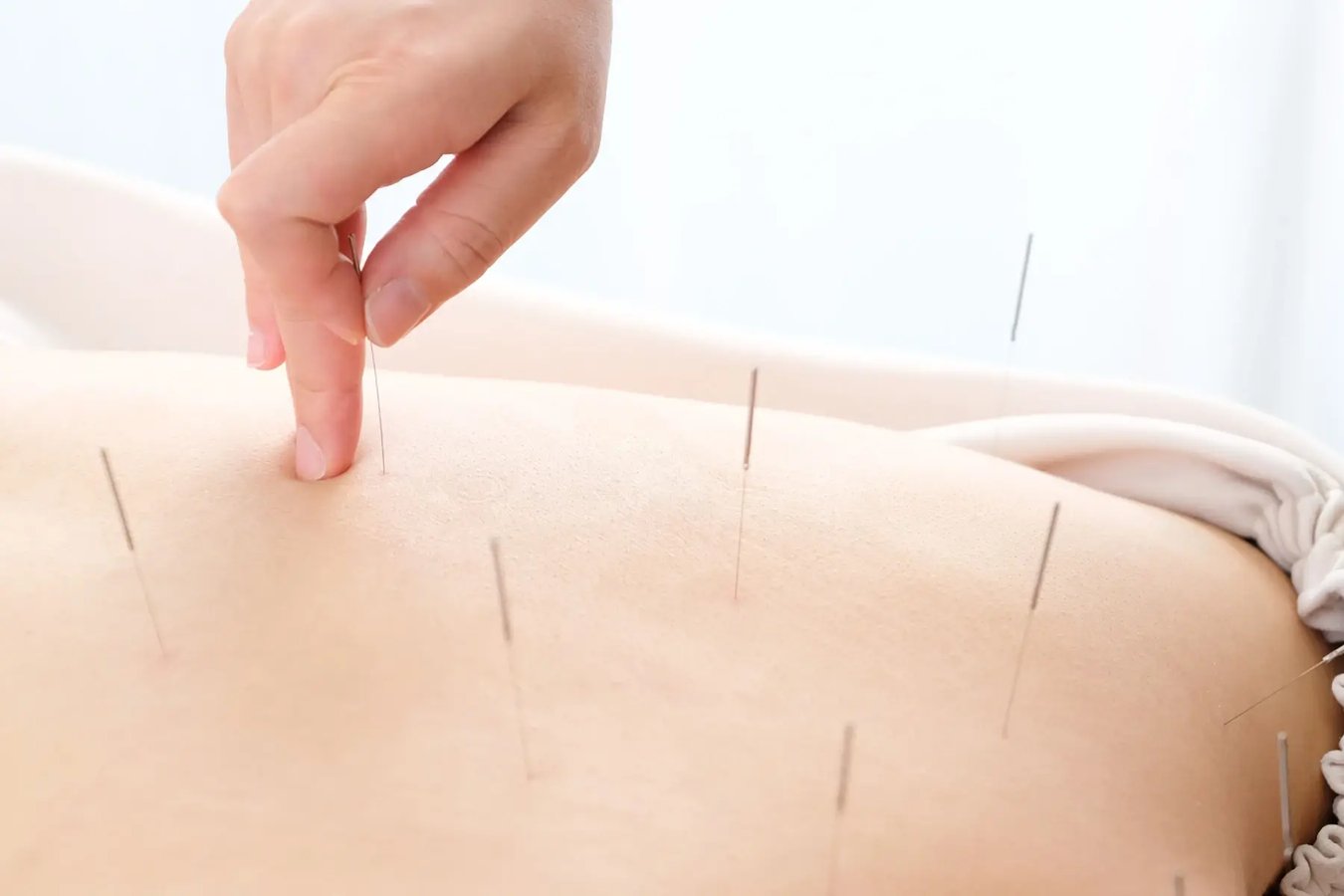
Acupuncture works by stimulating specific acupoints on the body to unblock meridians, harmonise the flow of qi and blood, and promote the coordinated function of the Zang-fu organ systems, thereby helping to prevent and treat illness while strengthening overall health.

When acupuncture and Chinese herbal medicine are used together, acupuncture’s rapid symptom relief is combined with the internal regulatory and consolidating effects of herbal medicine, helping to overcome the limitations of using a single therapy alone. The two approaches complement each other, supporting recovery while reducing the likelihood of recurrence, delivering long-term and promoting stable, long-term, treatment outcomes.

Benefits of Acupuncture

  • Rapid onset of effect: Research has shown that acupuncture can stimulate the brain to release dopamine and endorphins via the vagus nerve and adrenal glands, helping to relieve pain. Many patients experience noticeable relief after their very first session.

  • Medication-free treatment: For individuals who are reluctant to take medication or have difficulty swallowing tablets, such as children and older adults, acupuncture offers a viable alternative treatment option.

  • High safety profile: When performed by a qualified, registered Chinese medicine practitioner, acupuncture carries very low risks and side effects.

variety_of_dried_herbs_and_spices_displayed_2026_01_07_23_13_40_utc_2
a_woman_with_a_needle_stuck_to_her_back_at_a_brigh_2026_01_09_00_38_21_utc_2

Cupping

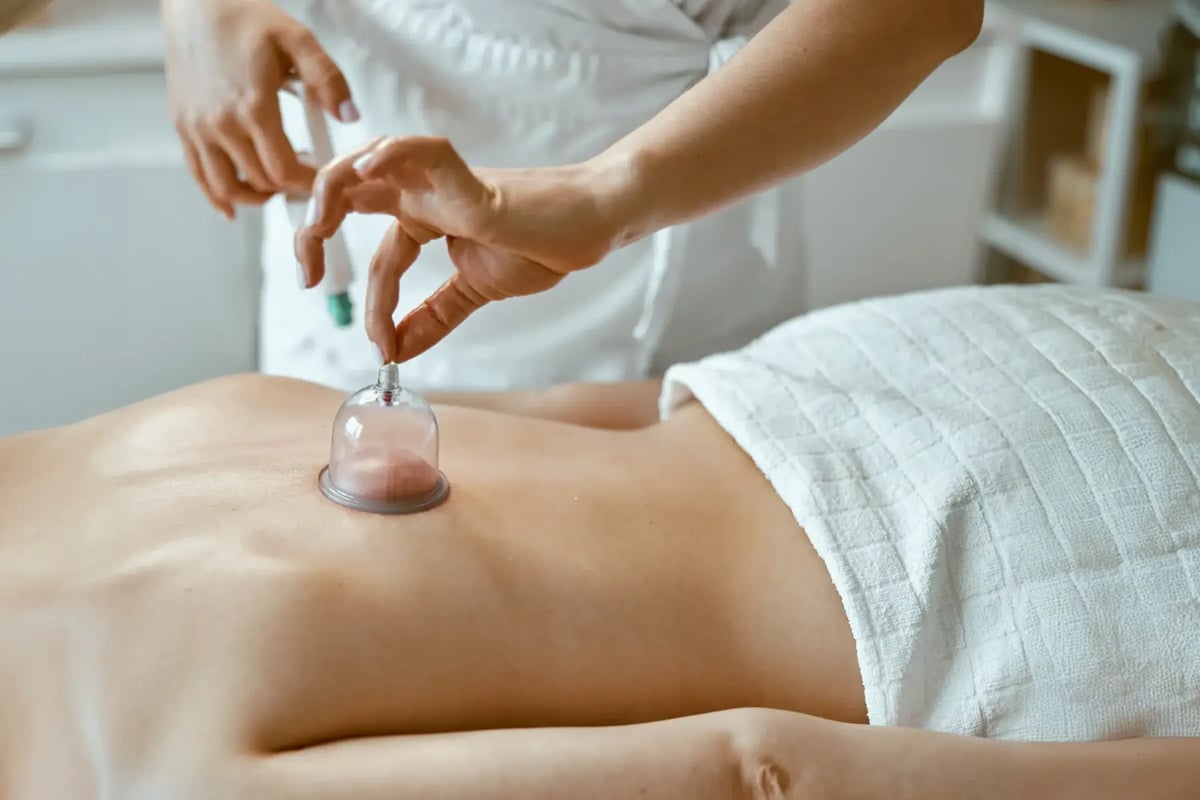
Cupping involves removing air from glass cups using combustion or suction to create negative pressure. The cups are then applied to specific acupoints or areas of the body, stimulating local tissues and producing hyperaemia or ecchymosis on the skin, thereby helping to regulate the body’s functions.

Benefits of Cupping

  • Unblocks the flow of qi and blood through the meridians
  • Helps expel wind-cold and damp toxins
a_woman_with_a_needle_stuck_to_her_back_at_a_brigh_2026_01_09_00_38_21_utc_3

Moxibustion

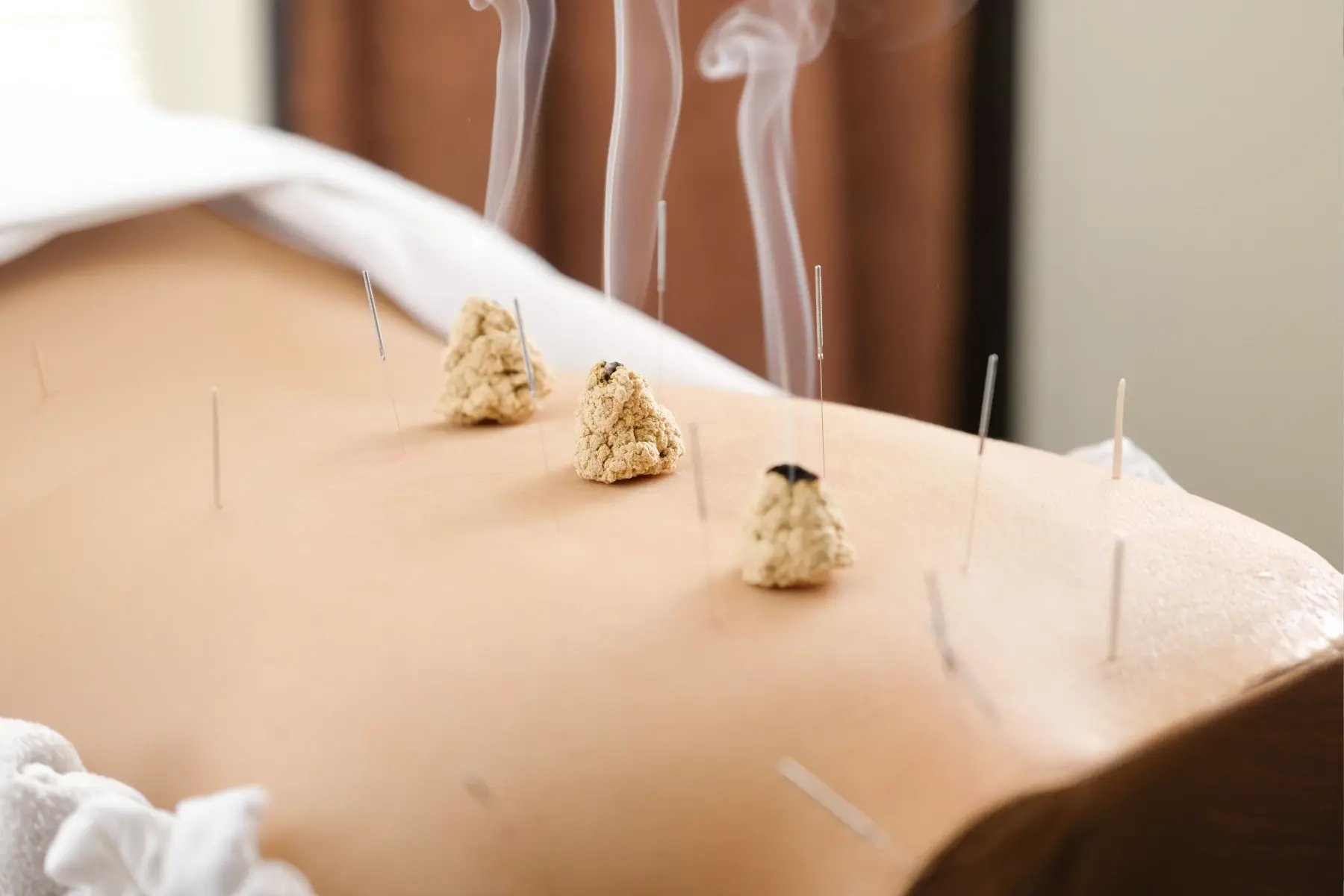
The medical text Introduction to Medicine (Yi Xue Ru Men) states: “Where medicine cannot reach and needles cannot access, moxibustion must be applied.” Moxibustion is one of the commonly used TCM treatments. It involves igniting moxa cones or moxa sticks made from mugwort leaves and using the warmth to stimulate meridian acupoints, helping to dispel cold and dampness while supporting the body’s vital energy and expelling pathogenic factors.

Benefits of Moxibustion

  • Strengthens immunity: Modern literature indicates that the volatile compounds in moxa smoke possess antibacterial, antiviral, and microcirculation-promoting properties.

  • Primarily treats cold and deficiency type pain: Such as menstrual pain, abdominal pain and rheumatic pain.

  • Comfortable and painless: A gentler treatment compared to acupuncture.

  • Gentle on the digestive system: Avoids the gastrointestinal discomfort that oral medication may cause.

a_woman_with_a_needle_stuck_to_her_back_at_a_brigh_2026_01_09_00_38_21_utc_3

Why Choose OT&P for TCM Services?

why_choose_ot_p_for_tcm_services_-1

OT&P Uses GMP-Certified Chinese Herbal Products

GMP (Good Manufacturing Practice) is an internationally adopted pharmaceutical quality management standard designed to ensure that medicines meet consistent quality and safety requirements throughout the production process. Through rigorous oversight of raw material procurement, production facilities, equipment management, staff training, hygiene controls and quality testing, GMP certification helps ensure that medicines meet established quality and safety standards.

Extensive Clinical Experience

Our Chinese medicine practitioner has accumulated years of clinical experience across internal medicine, gynaecology and dermatology, providing patients with professional and reliable healthcare services.

Multidisciplinary Collaborative Model

The OT&P TCM team works closely with Western medicine doctors, dietitians, physiotherapists and other specialists to develop integrated Chinese and Western medicine treatment plans tailored to each patient’s specific needs, supporting comprehensive care for both body and mind.

Our Chinese Medicine Practitioner

Dr. Law Pui Man Michelle 

Registered Chinese Medicine Practitioner

Dr  Michelle Law

Dr Law graduated from the School of Chinese Medicine at The Chinese University of Hong Kong (CUHK), and subsequently completed a PhD in Public Health (Family Medicine) programme at Faculty of Medicine, CUHK. She previously served as Adjunct Assistant Professor in the Department of Obstetrics and Gynaecology at CUHK and currently holds the position of Adjunct Assistant Professor at the Jockey Club School of Public Health and Primary Care, CUHK. She has undergone clinical training at multiple hospitals and medical institutions in Hong Kong and overseas, and is actively involved in academic research.

Dr Law has extensive clinical experience, with particular expertise in gynaecology and dermatology. She is fluent in English, Cantonese and Mandarin.

Frequently Asked Questions

How long does TCM treatment for infertility take?

The duration of TCM infertility treatment varies depending on individual constitution and health condition, although a course of three to six months of ongoing care is generally recommended. If you are undergoing assisted reproductive treatment, TCM may be considered as a complementary approach. A registered Chinese medicine practitioner can tailor your care plan to align with your fertility treatment timeline.

Who is suitable for TCM uterus warming treatment?

Uterus warming treatment may be suitable for women experiencing irregular periods, severe period pain, cold hands and feet, or a cold-type constitution. Through Chinese herbal medicine and moxibustion to warm the meridians and dispel cold, this treatment can help improve the uterine environment and blood circulation. If you have menstrual irregularities or are trying to conceive, we recommend consulting our Chinese medicine practitioners to determine whether uterus warming is appropriate for you.

How does TCM treatment for eczema differ from Western medicine?

Western medicine primarily manages eczema with topical corticosteroids and antihistamines to control symptoms. TCM, by contrast, takes a holistic approach to the patient’s constitution, using pattern differentiation to identify the root cause of eczema, such as spleen deficiency with dampness or wind-heat with blood dryness. It may apply Chinese herbal medicine, both internal and topical alongside acupuncture to regulate the body, with the aim of reducing recurrence. The two approaches can be complementary, and we recommend discussing the most suitable treatment plan with your doctor.

Is facial cosmetic acupuncture safe?

Facial cosmetic acupuncture is a therapy performed by registered Chinese medicine practitioners. After treatment, some individuals may experience mild bruising or temporary redness, which typically subsides within a few days. Before treatment, the practitioner will assess your skin condition and constitution to determine whether facial cosmetic acupuncture is suitable for you.

What should I prepare for my first TCM consultation?

We recommend wearing loose, comfortable clothing to facilitate pulse diagnosis and acupuncture. In the two hours before your appointment, avoid eating excessively or attending on an empty stomach, and refrain from vigorous exercise, coffee, strong tea and alcohol, as these may affect tongue and pulse assessment.

If you have any past medical records, examination reports or a list of medications you are currently taking, please bring these along so the practitioner can gain a comprehensive understanding of your health.

How long does a course of TCM treatment typically last?

The length of a treatment course varies from person to person, depending on the condition, constitution and medical history. In general, acute symptoms, such as colds or sprains, may improve after just a few treatments, while chronic conditions or constitutional care may require regular follow-up consultations over several weeks to months. We recommend having a registered Chinese medicine practitioner assess your situation and develop an appropriate treatment plan.

Can I take a missed dose of Chinese herbal medicine later?

If you forget to take your medicine, you can generally take it as soon as you remember. However, if it is already close to the time of your next dose, it is advisable to skip the missed dose and take the next one as scheduled. Do not double the dose, as this may make the medicine too strong. If you have any concerns, consult your Chinese medicine practitioner.

Can I have acupuncture while taking Chinese herbal medicine?

Yes. Chinese herbal medicine and acupuncture are two common TCM treatment modalities that are frequently used together in clinical practice to enhance therapeutic outcomes. The specific arrangements, such as the order and frequency of medication and acupuncture, should be determined by your Chinese medicine practitioner based on your individual condition.

Book a Consultation with a Registered Chinese Medicine Practitioner

OT&P Central Family Clinic

1st Basement Floor, Century Square, 1 D’Aguilar Street, Central, HK

 Opening Hours

Monday to Friday: 09:00 to 18:00
Saturday: 09:00 to 13:00
Sunday: Closed
Public Holidays: Closed

Appointment hotline: +852 2155 9055