
 Central General Practice
 Repulse Bay
 Clearwater Bay
 BodyWorX Clinic
 Central Specialist Clinic
 MindWorX Clinic
 Family Clinic
 OT&P Annerley Midwives Clinic
 WellWorX Clinic

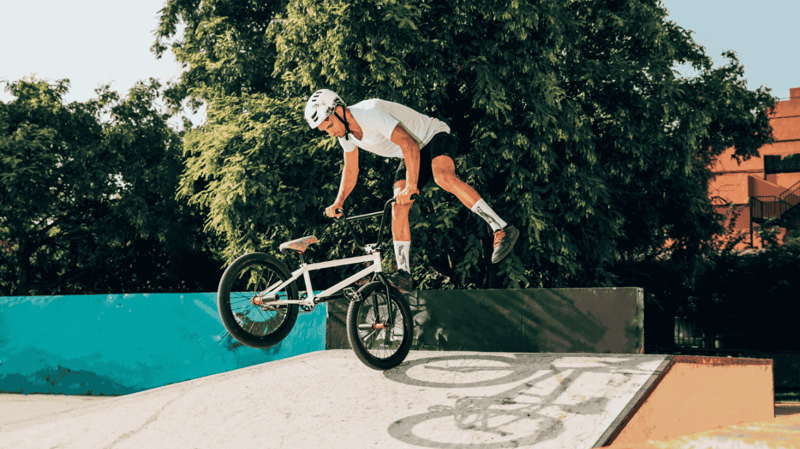
In recent years, the pursuit of pushing physical, mental, and psychological limits has made extreme sports increasingly popular. However, with the thrill of these high-risk activities comes an elevated chance of injuries. This article explores how to enjoy the excitement of extreme sports while minimising the risk of common injuries.
What Are Extreme Sports?
Extreme sports are highly challenging and risky activities, which have gained popularity for their adrenaline-pumping appeal. In Hong Kong, public extreme sports facilities offer spaces for freestyle BMX, skateboarding, inline skating, and freestyle scooters. Other popular activities include zip-lining, canyoning, and rock climbing.
Common Injuries in Extreme Sports
Injuries vary depending on the nature of the sport and movement of the activity. Below are some common injuries associated with popular extreme sports in Hong Kong:
| Freestyle BMX | Skateboarding | Rock Climbing |
|
| Common Injury Types | Abrasions, bruises, fractures, dislocations | Ligament sprains, fractures | Fractures, sprains and strains, soft tissue injuries, lacerations, dislocations |
| Common Injury Sites | Upper limbs, head, face, lower limbs | Ankles, wrists | Upper limbs, lower limbs, head, torso |
| Common Causes | Falls, collisions with handlebars, failed tricks | Jumps between ramps or stairs | Falling from rocks due to poor grip, overuse, collisions with hard surfaces |
Freestyle BMX
| Common Injury Types | Causes |
| Abrasions | Caused by falls or friction during movement. Common in falls or handlebar collisions. |
| Fractures | Result from impacts to the head or body, causing bone fractures. Common in falls, handlebar collisions, or failed tricks. |
| Dislocations | Occur when joints experience significant impact or pressure, leading to complete joint dislocation. Common in falls or failed tricks. |
Skateboarding
| Common Injury Types | Causes |
| Ligament Sprains | Sudden turns or jumps between ramps and stairs can cause abrupt twisting of the ankle or wrist joints, leading to ligament strains or tears. |
| Fractures | Impacts or falls on body parts can result in bone cracks or breaks. Commonly occurs during failed jumps between ramps or stairs. |
Rock Climbing
| Common Injury Types | Causes |
| Fractures | Falling from rocks due to poor grip or collisions with hard surfaces, leading to bone fractures. |
| Sprains and Strains | Overexertion or incorrect movements, causing joint or soft tissue injuries. |
| Soft Tissue Injuries | Overuse or direct impacts resulting in damage to muscles, ligaments, or tendons. |
| Lacerations | Falls or collisions causing tears in skin or soft tissue. |
| Dislocations | Extreme impact or pressure on joints causing joint dislocation. |
Basic First Aid for Sports Injuries
In the event of an accident, stop the activity immediately, stay calm, and seek help promptly. Below are basic first aid techniques for common injuries in extreme sports, which can help buy time while awaiting professional medical assistance:
1. Abrasion
It is a surface damage to the skin, often caused by friction with rough surfaces. If untreated, the wounds may become infected.
- First Aid: Rinse the wound with clean water to remove dirt or debris. Gently press with sterile gauze to stop bleeding. Once bleeding is controlled, clean the wound with diluted antiseptic solution and cover the wound with sterile gauze and bandage it.
- Seek medical attention if the wound is deep or bleeding persists.
2. Muscle Cramps
Muscle cramps are involuntary muscle contractions due to overexertion or dehydration.
- First Aid: Gently stretch and massage the affected muscle to relieve pain. Apply ice or a warm compress to reduce discomfort and relax the muscles. Rehydrate with water or electrolyte drinks.
- Seek medical advice if cramps occur frequently or if pain persists. General practitioner may refer you to a physiotherapist for further assessment.
3. Ankle Sprains
Ankle sprains are the sudden twisting of the ankle during exercise, leading to ligament strains or tears on the inner or outer sides of the joint.
- First Aid: Stop exercising immediately and follow the R.I.C.E. method. Apply ice and wrap the injured area with an elastic bandage to reduce swelling, then elevate the affected limb.
- Consult a doctor or physiotherapist for diagnosis and treatment to aid recovery.
- Rest
- Ice
- Compression
- Elevation
If symptoms like persistent pain, swelling, joint instability, or limited movement occur post-injury, please consult a doctor or physiotherapist promptly.

How to Prevent Sports Injuries
Prevention is better than cure! Proper preparation before engaging in extreme sports can significantly reduce the risk of injuries.
- Learn Proper Techniques and Postures
- Warm Up Properly
- Use Appropriate Gear
- Eat Smart: To prevent dizziness caused by a lack of energy, avoid exercising on an empty stomach. However, do not overeat or consume hard-to-digest foods before exercise, as this may lead to indigestion. Opt for light, nutritious snacks such as bananas, low-fat yoghurt, toast with jam, skimmed milk, or cereal one hour before exercise. Additionally, ensure you stay hydrated by drinking water or electrolyte beverages, which help replenish fluids and electrolytes lost through sweating.
OT&P Healthcare Recommendations
Extreme sports offer unmatched freedom and a sense of accomplishment, but it’s vital to recognise the risks and prepare accordingly. If you experience discomfort or injuries after engaging in extreme sports, seek a doctor or physiotherapist’s advice as soon as possible for proper diagnosis and treatment.
If you have any questions, feel free to book a consultation with our physiotherapist for further advice.

References
- 康樂及文化事務處, (2025) 極限運動場. Retrieved August 14, 2025 from https://www.lcsd.gov.hk/clpss/tc/webApp/Facility/SkateParks.do
- Rabanus, A., Goost, H., Burger, C., & Wirtz, D. C. (2013). Verletzungen beim BMX Freestyle. Sports Orthopaedics and Traumatology, 29(3), 225–228. https://doi.org/10.1016/j.orthtr.2013.03.002
- Rockliff, C., Pulsifer, K., Gupta, S., Jewell, C. B., & Black, A. M. (2024). Injuries, risk factors, and prevention Strategies in Bicycle Motocross (BMX): A scoping review. Sports Health a Multidisciplinary Approach. https://doi.org/10.1177/19417381241285037
- Rodríguez-Rivadulla, A., Saavedra-García, M. Á., & Arriaza-Loureda, R. (2020). Skateboarding injuries in Spain: A Web-Based Survey approach. Orthopaedic Journal of Sports Medicine, 8(3), 232596711988490. https://doi.org/10.1177/2325967119884907
- Buzzacott, P., Schöffl, I., Chimiak, J., & Schöffl, V. (2019). Rock climbing injuries treated in US emergency departments, 2008–2016. Wilderness and Environmental Medicine, 30(2), 121–128. https://doi.org/10.1016/j.wem.2018.11.009
- 衞生防護中心, (2021) 運動創傷. Retrieved August 15, 2025 from https://www.chp.gov.hk/tc/static/90008.html
- Hong Kong College of Orthopaedic Surgeons, 足踝扭傷. Retrieved August 15, 2025 from https://www.orthoinfo-hkcos.org/?route=injuries-detail&c=7&i=27&t=99
- 衞生防護中心, (2021) 運動前須知. Retrieved 15 August, 2025 from https://www.chp.gov.hk/tc/static/90004.html#:~:text=%E7%86%B1%E8%BA%AB%E9%81%8B%E5%8B%95%E7%9A%84%E4%B8%BB%E8%A6%81%E7%9B%AE%E7%9A%84,%E5%91%BC%E5%90%B8%E5%92%8C%E5%BF%83%E8%B7%B3%E6%98%8E%E9%A1%AF%E5%8A%A0%E5%BF%AB%E3%80%82
- British Heart Foundation, (2025). Food for fitness. Retrieved August 15, 2025 from https://www.bhf.org.uk/informationsupport/heart-matters-magazine/nutrition/food-for-fitness


-2.png?length=500&name=%5BMKT%5DWebsite%20Blog%20Photo%20(23)-2.png)
.png?length=500&name=%5BMKT%5DWebsite%20Blog%20Photo%20(22).png)
