 Central General Practice
 Repulse Bay
 Clearwater Bay
 BodyWorX Clinic
 Central Specialist Clinic
 MindWorX Clinic
 Family Clinic
 OT&P Annerley Midwives Clinic
 WellWorX Clinic

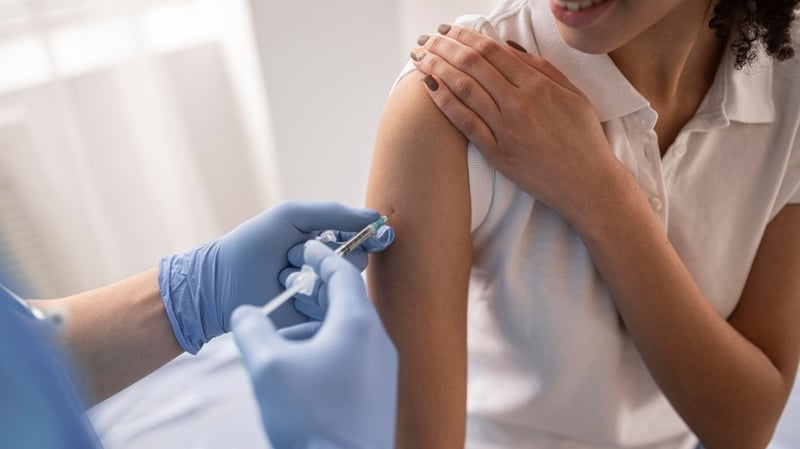
Streptococcus pneumoniae usually causes only mild illnesses, but it can also lead to severe and even fatal invasive pneumococcal diseases. In 2024, Hong Kong recorded 126 cases of invasive pneumococcal disease. In addition to maintaining good daily hygiene, vaccination is one of the most effective ways to prevent pneumococcal infection. By understanding the transmission routes, symptoms, and prevention methods of pneumococcal disease, we can better protect ourselves and our families.
What is Streptococcus pneumoniae?
Streptococcus pneumoniae (also known as pneumococcus) is a Gram-positive bacterium. Over 100 serotypes of pneumococcus have been identified.
What is pneumococcal infection? How is it transmitted?
Pneumococcal infection refers to various diseases caused by Streptococcus pneumoniae, with common ones including otitis media (middle ear infection) and pneumonia; more severe cases include meningitis, bacteremia, and sepsis.
Pneumococcus is commonly found in the human nose and throat, and many people may be asymptomatic carriers (harbors the bacteria without presenting the ill-effects). Pneumococcus is mainly transmitted through droplets or direct contact with oral and nasal secretions , and can also be spread indirectly by touching objects contaminated with respiratory secretions. The incubation period is about 1 to 3 days.
Symptoms of Pneumococcal Infection
Symptoms vary depending on the site of infection and include:
- Otitis media: Fever, ear pain or discharge, decreased hearing; repeated infections may lead to permanent hearing loss.
- Pneumonia: Fever, productive cough, shortness of breath, chest pain, decreased level of consciousness; severe cases can be fatal.
- Meningitis: Fever, headache, stiff neck, confusion, long-term hearing loss, seizure and even death.
- Bacteremia and sepsis: Joint pain, chills, and simultaneous infection of other body parts; sepsis is potentially fatal in most immunocompromised individuals.
If symptoms persist or worsen, seek medical attention promptly.
Who is at High Risk?
Infants, individuals over 50, and those at high risk should receive the pneumococcal vaccine.
Various factors increase the risk of pneumococcal pneumonia^/invasive pneumococcal disease# in individuals aged 18 to 64.
| Risk factors | Risk (relative to healthy counterparts) |
| Ages of 50+^ | 6.4x higher (vs adults aged 18–49) |
| Smoking^‡ | 4.4x higher |
| Alcoholism^† | 3.6x higher |
| Diabetes^* | 4.4x higher |
| Cancer# | 7.12x higher |
| Chronic heart disease^* | 7.1x higher |
| Chronic lung disease^* | 16.3x higher |
| Chronic kidney failure#† | 14.6x higher |
*In individuals aged 50+ or above. †In adults aged 18-49. ‡In adults aged 50-64.
How to Effectively Prevent Pneumococcal Infection?
Effective prevention methods include:
- Pneumococcal vaccination: Vaccination is an effective method.
- Maintain personal hygiene: Wash hands frequently; cover mouth and nose with tissue when sneezing or coughing.
- Keep the environment clean: Regularly clean and disinfect frequently touched surfaces.
- Maintain healthy lifestyle habits: Eat a balanced diet, exercise regularly, get enough rest, and avoid smoking and excessive alcoholic beverage consumption.
Types of Pneumococcal Vaccines
Currently, Hong Kong mainly provides the following pneumococcal vaccines, each covering different numbers of serotypes:
- 13-valent pneumococcal conjugate vaccine (PCV13)*: Serotypes 1, 3, 4, 5, 6A, 6B, 7F, 9V, 14, 18C, 19A, 19F, and 23F.
- 15-valent pneumococcal conjugate vaccine (PCV15): Serotypes 1, 3, 4, 5, 6A, 6B, 7F, 9V, 14, 18C, 19A, 19F, 22F, 23F, and 33F.
- 20-valent pneumococcal conjugate vaccine (PCV20): Serotypes 1, 3, 4, 5, 8, 6A, 6B, 7F, 9V, 10A, 11A, 12F, 14, 15B, 18C, 19A, 19F, 22F, 23F, and 33F.
- Pneumococcal polysaccharide vaccine (PPSV23): Serotypes 1, 2, 4, 3, 5, 6B, 7F, 8, 9N, 9V, 10A, 11A, 12F, 14, 15B, 17F, 18C, 19A, 19F, 20, 22F, 23F, and 33F.
*Remarks: According to the latest recommendations from the Scientific Committee on Vaccine Preventable Diseases, starting from August 5, 2024, the government vaccination program has replaced the 13-valent vaccine with the 15-valent vaccine.
Conjugate Vaccine vs Polysaccharide Vaccine: What’s the Difference?
- Conjugate vaccine: Combines the bacterial polysaccharide antigen with a carrier protein to enhance antibody response and production, providing longer-lasting protection. Usually given to infants and young children whose immune system is still maturing.
- Polysaccharide vaccine: Only the bacterial polysaccharide antigen is in the vaccine, induces a shorter immune response, with shorter protection. Given to adults, especially for 65 years-old and above.
Why is Pneumococcal Vaccination Important?
Pneumococcal infections can be treated with antibiotics, but some strains have developed drug resistance and the burden of disease is worse for people with a weakened immune system, making prevention especially important.
Current Recommendations: How Often Should You Get the Pneumococcal Vaccine?
Children
According to the "Hong Kong Childhood Immunisation Programme," children should receive PCV15: two primary doses at 2 and 4 months, and a booster dose at 12 months.
Elderly aged 65 or above
Eligible seniors aged 65 or above can receive free or subsidised pneumococcal vaccination.
Those without high-risk conditions†: One dose of the PPSV23.
Those with high-risk conditions†: One dose of the PCV15, followed by one dose of PPSV23 one year later.
†High-risk conditions include: those with a history of invasive pneumococcal disease, cerebrospinal fluid leakage or cochlear implants, chronic cardiovascular, lung, liver, or kidney disease, metabolic disorders, immunocompromised status, chronic neurological disease, or inability to care for oneself.
Other Individuals
The Department of Health recommends consulting a family doctor and considering self-paid vaccination for personal protection.
OT&P Healthcare provides pneumococcal vaccination services. Contact us for more information.

Frequently Asked Questions
Can the pneumococcal vaccine be given together with the influenza vaccine?
Yes, both can be administered at the same time, but at different sites using separate syringes.
Can the pneumococcal vaccine be given before or after certain medical procedures?
It is recommended to consult your doctor before major surgery or starting cancer treatment.
Who should not receive the pneumococcal vaccine?
Those who have had a severe allergic reaction to a previous pneumococcal vaccine or any vaccine component should not receive it.
Is the pneumococcal vaccine safe? What are the side effects?
The pneumococcal vaccine is generally safe. Common side effects include pain at the injection site; other side effects are usually mild and resolve within a few days.
Conclusion
Pneumococcal infection is common, but vaccination and good hygiene practices can greatly reduce the risk. Individuals should proactively understand their health needs and discuss appropriate vaccination with healthcare professionals to protect themselves and their families.

References
- Centre for Health Protection, (2025) Number of notifiable infectious diseases by month in 2024. Retrieved 23 Jul 2025 from https://www.chp.gov.hk/en/statistics/data/10/26/43/7060.html
- Centre for Health Protection, (2024) Frequently Asked Questions on Pneumococcal Infection. Retrieved 23 Jul 2025 from https://www.chp.gov.hk/en/features/48194.html
- Centre for Health Protection, (2024) Pneumococcal Vaccination. Retrieved 23 Jul 2025 from https://www.chp.gov.hk/en/features/108124.html
- NHSinform, (2025) Pneumococcal vaccine. Retrieved 23 Jul 2025 from https://www.nhsinform.scot/healthy-living/immunisation/pneumococcal-vaccine/#after-the-vaccine
- Tereziu S & Minter DA, (2023). Pneumococcal Vaccine. In: StatPearls. Retrieved 23 Jul 2025 from https://www.ncbi.nlm.nih.gov/books/NBK507794/
- Essink, B., et al. (2021). Pivotal Phase 3 Randomized Clinical Trial of the Safety, Tolerability, and Immunogenicity of 20-Valent Pneumococcal Conjugate Vaccine in Adults Aged ≥18 Years. Clinical Infectious Diseases. doi: https://doi.org/10.1093/cid/ciab990.
- American Lung Association, (2025) Get The Facts About Pneumococcal Pneumonia. Retrieved 23 Jul 2025 from https://www.lung.org/lung-health-diseases/lung-disease-lookup/pneumonia/pneumococcal
- Shea, K.M., et al., (2014). Rates of Pneumococcal Disease in Adults With Chronic Medical Conditions. Open Forum Infectious Diseases, [online] 1(1), p.ofu024. doi:https://doi.org/10.1093/ofid/ofu024.
- Garcia, H.M., et al,. (2021). Invasive pneumococcal disease among adults with hematological and solid organ malignancies: A population-based cohort study. International Journal of Infectious Diseases, 106, pp.237–245. doi:https://doi.org/10.1016/j.ijid.2021.03.072.