
 Central General Practice
 Repulse Bay
 Clearwater Bay
 BodyWorX Clinic
 Central Specialist Clinic
 MindWorX Clinic
 Family Clinic
 OT&P Annerley Midwives Clinic
 WellWorX Clinic

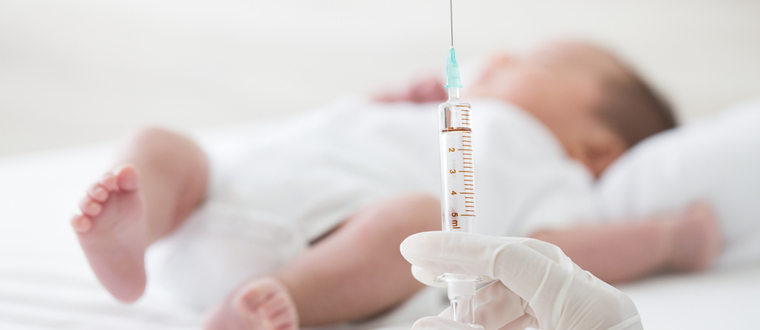
Research published by the University of Hong Kong in 2019 indicated that the infection rate of Hepatitis B (Hep B) in Hong Kong was 7.8%, meaning about 540,000 people were suffering from Hepatitis B. Following a series of prevention and control initiatives against viral hepatitis, projections from the 2020-2022 Population Health Survey showed that Hong Kong's Hepatitis B infection rate has dropped to 5.6%, with about 410,000 people infected, most of whom were born before 1988.
Hepatitis B is a liver disease caused by a virus that leads to liver cell death and affects liver function. Hepatitis B usually presents no obvious symptoms, and nearly 40% of patients remain undiagnosed and without timely intervention , around 15% to 40% of patients may see their condition gradually worsen, developing into chronic Hepatitis B, liver cirrhosis, or even liver cancer. Without active treatment, the life expectancy of Hepatitis B patients may be shorter than that of the general population. Hepatitis B carriers transmit the virus to others through blood and body fluids (including from mother to child in-utero, saliva, semen, vaginal secretions, and other secretions). Getting the Hepatitis B vaccine is the most effective way to prevent this disease.
What is the Hepatitis B Vaccine?
The Hepatitis B vaccine works by stimulating the body to produce Hepatitis B antibodies against the virus, effectively preventing Hepatitis B and the complications it causes. According to research, 90% to 95% of recipients will develop antibodies that remain effective for life. The Hepatitis B vaccine can be administered alongside other vaccines. The Hepatitis B vaccine requires a total of three injections, and completing all three doses within six months yields the highest efficacy in producing antibodies.
Recommended Vaccination Schedule:- First Dose: Anytime (If the mother is a Hepatitis B carrier, the injection must be given within 24 hours after the baby's birth).
- Second Dose: One month after the first dose.
- Third Dose: Five months after the second dose.
Who Should Get the Hepatitis B Vaccine?
The following high-risk groups for infection should consider Hepatitis B vaccination:
- Newborn babies
- Family members and sexual partners of Hepatitis B patients
- Individuals who frequently receive blood transfusions and their caregivers
- Healthcare workers who need to handle patients' blood or body fluids
- Intravenous drug users
A blood test for level of immunity should be conducted prior to receiving the Hepatitis B vaccine Individuals who test negative for both the "Hepatitis B Antigen (HBsAg)"1 and "Hepatitis B Antibody (anti-HBs)"2,, vaccination is recommended.
You should not get vaccinated if you have previously had an allergic reaction to the Hepatitis B vaccine or any of its components (e.g., yeast). Personal health conditions should also be considered on the day of vaccination; if you are feeling unwell, the injection should be postponed until you have fully recovered.
1 The HBsAg blood test checks whether the Hep B virus is present in your body. If it is, you are a carrier and do not need the vaccine.
2 The anti-HBs blood test checks whether your body already has Hep B antibodies. If it does, you're already protected and don't need vaccination.
Does the Hepatitis B Vaccine Have Side Effects?
Common side effects of the Hepatitis B vaccine include:
- Pain and swelling at the injection site
- Mild fever
- Fatigue
- Muscle pain
- Difficulty breathing
Side effects usually appear within a few hours after the injection and subside within one or two days. The Hepatitis B vaccine is generally considered to be a safe and mild vaccine, so side effects are uncommon.
How Much Do the 3 Doses of the Hepatitis B Vaccine Cost?
Universal Hepatitis B Vaccination Programme for Newborn Babies
Since 1998, the Hong Kong Government has provided free Hepatitis B vaccinations for all newborn babies. The Hepatitis B vaccine requires a total of three doses. The first dose is given in the hospital at birth, and subsequent doses will be administered at Maternal and Child Health Centres (MCHCs). If the baby's mother is a Hepatitis B carrier, the doctor will also administer an extra injection of Hepatitis B Immunoglobulin to the baby within 24 hours of birth for additional protection.
Where Can I Get the Hepatitis B Vaccine?
Parents can also bring children under the age of 6 to the Maternal and Child Health Centres under the Department of Health to receive free Hepatitis B vaccination.
Fees at Different Institutions
Currently, various institutions and clinics in Hong Kong provide Hepatitis B vaccination services:
| Institution |
Price |
| Universal Hepatitis B Vaccination Programme for Newborns (Public Hospitals and Maternal and Child Health Centres under the Department of Health) |
Free |
| Port Health Travel Health Centres | $60 (per dose)^ |
^ Additional charges may apply. Please contact the Department of Health for the latest fees.
We also provide Hepatitis B vaccination services; you can make an appointment here. If you have any further concerns about the Hepatitis B vaccine, please speak with your family doctor for personalised advice.

References
- 衞生署衞生防護中心. (April 2019). 乙型肝炎. Retrieved from
https://www.chp.gov.hk/tc/healthtopics/content/24/27.html - 香港家庭計劃指導會. 乙型肝炎. Retrieved from
https://www.famplan.org.hk/zh/health-info/pregnancy-and-fertility/hepatitis-b - 衞生署控制病毒性肝炎辦公室. 甚麼是肝炎. Retrieved from
https://www.hepatitis.gov.hk/tc_chi/what_is_hepatitis/hepatitis_b_04.html - 香港特別行政區政府新聞公報. (2026) 乙肝篩查及治理可預防肝癌,衞生署呼籲市民早驗早處理. Retrieved July 30, 2026, from https://www.info.gov.hk/gia/general/202607/28/P2026072700625.htm?fontSize=1

-2.png?length=500&name=%5BMKT%5DWebsite%20Blog%20Photo%20(28)-2.png)
-Jun-12-2026-02-13-02-1337-AM.png?length=500&name=%5BMKT%5DWebsite%20Blog%20Photo%20(4)-Jun-12-2026-02-13-02-1337-AM.png)
