 Central General Practice
 Repulse Bay
 Clearwater Bay
 BodyWorX Clinic
 Central Specialist Clinic
 MindWorX Clinic
 Family Clinic
 OT&P Annerley Midwives Clinic
 WellWorX Clinic

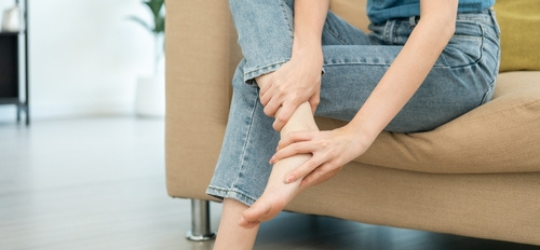
Heel pain and swelling are common health issues that many people encounter in daily life. Whether during work, exercise, or routine walking, heel pain can cause significant discomfort and inconvenience. This article delves into the common causes of heel pain, including posterior heel pain and pain beneath the heel, and provides remedies and preventive tips to help alleviate discomfort and restore normal life.
Common Causes of Heel Pain
Heel pain can stem from various causes, with different underlying factors depending on the location of the pain, such as posterior heel pain or pain beneath the heel. Below are some common causes:
Causes of Posterior Heel Pain
1. Achilles Tendinitis
Achilles tendinitis refers to inflammation of the Achilles tendon, which attaches the calf muscles to the heel bone. It is common among runners or individuals who frequently engage in intense physical activities. Symptoms include pain and stiffness in the heel area, especially after exercise or upon waking in the morning.
2. Insertional Achilles Tendinopathy
This condition involves inflammation or degeneration at the insertion point of the Achilles tendon. It is commonly seen in athletes and middle-aged individuals. Symptoms include pain and swelling at the back of the heel.
3. Achilles Tendon Rupture
This is a complete disruption of the tendon and is often caused by sudden, vigorous activity or injury, resulting in severe pain and limited mobility.
4. Heel Spurs
Heel spurs, often associated with plantar fasciitis, are bony protrusions that form as a result of overuse or excessive pressure on the hind foot. When the spur presses against the plantar fascia or surrounding tissues, it can lead to discomfort or pain.
5. Retrocalcaneal Bursitis
This condition involves inflammation of the bursa (a fluid-filled sac that serves as a cushion) between the heel bone and the skin. It is typically caused by ill-fitting shoes or overuse or repetitive stress.
Causes of Inferior Heel Pain
1. Plantar Fasciitis
The plantar fascia is a band of connective tissue that connects the heel bone to the base of the foot and toes. Plantar fasciitis is one of the most common causes of pain below the heel. It occurs when the plantar fascia becomes overstretched or torn, leading to inflammation and pain. Symptoms are most noticeable in the morning or after prolonged rest when standing up for the first time.
2. Heel Spurs
Heel spurs can cause pain not only at the back of the heel but also beneath it. When the bony growth presses against the plantar fascia or surrounding tissues, it may lead to discomfort or pain.
3. Stress Fracture of the Talus
A stress fracture is a small crack in the heel bone caused by repetitive stress. It is commonly seen in athletes and military personnel and typically results in persistent pain beneath the heel.
4. Fat Pad Atrophy
As we age, the fat pad beneath the heel gradually thins, reducing its ability to cushion the heel and absorb impact. This loss of shock absorption can lead to pain under the heel.
5. Subtalar Arthritis
Subtalar arthritis is a condition in which subtalar joint becomes inflamed. It is common in elderly individuals or those with long-term standing occupations. Pain typically worsens when walking on uneven surfaces.
Ways to Relive Heel Pain
Depending on the underlying cause of your heel pain, you may find the following methods helpful for relief:
1. Rest and Activity Modification
When heel pain occurs, it is important to allow the foot adequate rest and avoid activities that aggravate the discomfort. Reducing time spent standing or walking and switching to low-impact exercises such as swimming or cycling, can help relieve symptoms.
2. Ice and Heat Therapy
Applying ice can reduce inflammation and swelling—typically for 20 minutes at a time, several times a day. Heat therapy, on the other hand, promotes blood circulation and helps ease muscle stiffness. Choose between ice or heat depending on the nature of the pain. Elevating the affected area above the level of the heart may also help reduce swelling.
3. Stretching and Strengthening Exercises
For conditions such as plantar fasciitis or Achilles tendinitis, simple exercises can be beneficial:
- Plantar fascia stretch: Sit on a chair, place one foot over the opposite knee, and gently pull the toes upwards with your hand. Hold for 30 seconds and repeat several times daily.
- Achilles tendon stretch: Stand facing a wall with both hands on it. Extend one leg behind you, keeping the heel on the ground and the leg straight. Bend the front knee and feel the stretch in the calf and Achilles tendon. Hold for 30 seconds and repeat several times.
4. Wearing Appropriate Footwear
Choose shoes with good arch support and cushioning. Avoid high heels or overly flat shoes. Orthotic insoles or arch supports can provide additional comfort and stability.
5. Use of Orthotic Devices
Orthotic insoles or arch supports help distribute pressure across the foot and reduce strain on the plantar fascia and Achilles tendon. These can be purchased from specialist shops or pharmacies. It is advisable to use them under the guidance of a doctor or physiotherapist.
6. Physiotherapy
A physiotherapist can develop a personalised treatment plan based on the underlying cause of heel pain. Physiotherapy may include exercise, manual therapy, stretching routines, and education to help reduce pain and inflammation while improving foot function.
7. Medication
For more severe inflammation and pain, non-steroidal anti-inflammatory drugs (NSAIDs) may be recommended under medical supervision. If symptoms persist, corticosteroid injections may be considered to relieve inflammation.
8. Weight Management
Excess body weight is a significant risk factor for heel pain, as it increases pressure on the feet. Managing weight through a balanced diet and regular low-impact exercise can help reduce symptoms and prevent recurrence.
9. Surgical Intervention
If conservative treatments fail and the pain significantly impacts daily life, surgery may be recommended. Procedures may include plantar fascia release or heel spur removal, depending on the condition.
How to Prevent Heel Pain?
Prevention is always better than cure. Follow these tips to minimise your risk of developing heel pain:
1. Wear Proper Footwear
Choose shoes with good support and cushioning. Avoid excessively high heels or completely flat shoes, especially when standing or walking for extended periods.
2. Engage in Exercise
Regular exercise helps maintain flexibility and strength in the feet and calf muscles. Warm up thoroughly before exercising, stretch afterwards, and avoid overexertion.
3. Maintain a Healthy Weight
Keeping your weight within a healthy range reduces pressure on your feet, lowering the risk of heel pain.
4. Care for Your Feet
Inspect and care for your feet regularly. Keep them clean and dry and promptly address any issues such as corns or athlete’s foot to prevent complications that may lead to heel pain.
5. Avoid Prolonged Standing
If your job requires prolonged periods of standing, take breaks and do simple stretches to reduce foot strain.
6. Stay Hydrated
Water makes up about 60–70% of body weight and acts as a coolant. It plays a vital role in fluid and electrolyte balance, supporting the proper function of muscles, joints, bones, and soft tissues.
Conclusion
Heel pain is a common and often bothersome health issue. By understanding its causes and adopting appropriate remedies, you can effectively alleviate discomfort and return to normal activities. Whether through rest, ice and heat therapy, stretching, proper footwear, or physiotherapy, there are numerous ways to manage heel pain. If the pain persists or worsens, seek medical advice promptly to prevent further complications.

References
1. NHS. (24 February, 2022). Heel Pain. Retrieved 9 August, 2024 from https://www.nhs.uk/conditions/foot-pain/heel-pain/
2. Cleveland Clinic. (9 June, 2024). Heel Pain. Retrieved 9 August, 2024 from https://my.clevelandclinic.org/health/articles/10060-heel-pain
3. Better Health Channel. (31 May, 2014). Foot problems - heel pain. Retrieved 9 August, 2024 from https://www.betterhealth.vic.gov.au/health/conditionsandtreatments/foot-problems-heel-pain