 Central General Practice
 Repulse Bay
 Clearwater Bay
 BodyWorX Clinic
 Central Specialist Clinic
 MindWorX Clinic
 Family Clinic
 OT&P Annerley Midwives Clinic
 WellWorX Clinic


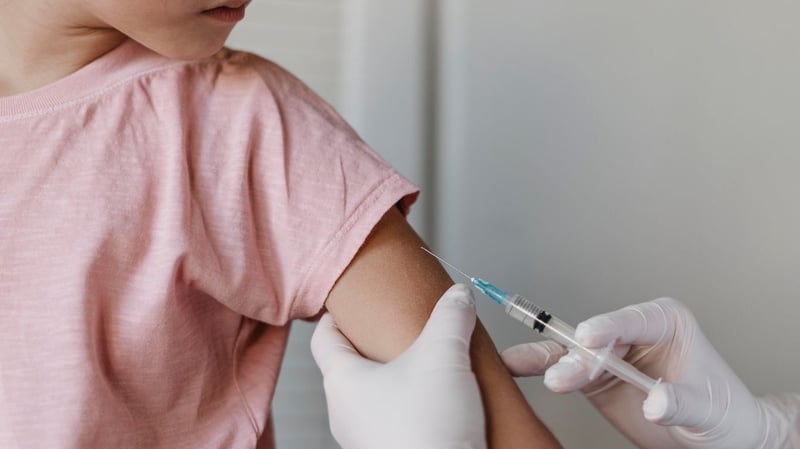
During every influenza season, many people in Hong Kong consider getting the influenza vaccine to boost immunity and prevent infection. The World Health Organization (WHO) recommends the use of the trivalent influenza vaccine for the Northern Hemisphere in 2025–2026. What does this mean? Can the trivalent vaccine effectively protect us? This article will provide you with updated information on influenza, explain the reasons behind the change in vaccines, and address common questions to help you make informed health decisions.
What is Influenza?
Influenza (commonly known as "the flu") is an acute infectious respiratory illness caused by the influenza virus. The virus is mainly transmitted through respiratory droplets, and the incubation period is generally 1 to 4 days.
The Most Common Influenza Viruses in Hong Kong
- Influenza A virus subtype H1N1
- Influenza A virus subtype H3N2
- Influenza B virus
Influenza Peak Seasons in Hong Kong
- Winter peak: January to March or April
- Summer peak: July to August
Influenza Symptoms
Common symptoms of influenza include:
- Fever
- Cough
- Runny nose
- Vomiting
- Diarrhea
Most influenza patients recover on their own within 2 to 7 days. However, immunocompromised people and the elderly may develop more severe illness after contracting influenza, which can lead to complications such as bronchitis, pneumonia, or encephalopathy, and in severe cases, can be fatal. It is important to note that even healthy individuals may develop severe infections or complications from influenza.
Treatment Methods for Influenza
- Patients with mild symptoms: Ensure adequate rest and drink water; antipyretics and analgesics for fever and body pains as needed; most can recover on their own.
- Patients with persistent or worsening symptoms: Seek medical attention immediately. Doctors may prescribe antiviral medications (such as Tamiflu or Xofluza) to alleviate symptoms and shorten the duration of illness.
How to effectively prevent Influenza?
1. Receive the Influenza Vaccination
According to the Centre for Health Protection, during the influenza peak season at the beginning of the year, there were 199 cases of influenza in Hong Kong requiring admission to intensive care units (ICU) or resulting in death. Over 70% of these severe cases had not received the seasonal influenza vaccine.
In fact, the influenza vaccine can safely and effectively prevent seasonal influenza and its complications, reducing the risk of hospitalisation or death.
2. Maintaining Good Personal Hygiene
Wash your hands frequently, wear masks properly, cover your mouth and nose with a tissue when sneezing or coughing etc.
3. Maintaining Good Environmental Hygiene
Regularly clean and disinfect frequently touched surfaces, keep indoor air well-ventilated, and avoid crowded or poorly ventilated public places.
2025–2026 Latest Influenza Vaccine Suggestion: From Quadrivalent to Trivalent
The World Health Organization (WHO) recommends the composition of influenza vaccine strains each year based on global virus trends. For the 2025–2026 season, WHO recommends the use of the trivalent vaccine for the Northern Hemisphere.
Why switch from quadrivalent to trivalent?
Since March 2020, the influenza B/Yamagata lineage virus has not been detected worldwide, indicating that the risk of infection with the B/Yamagata strain is extremely low and it no longer needs to be included in the vaccine. Therefore, it is recommended that all influenza vaccines exclude this component as soon as possible.
Differences Between Quadrivalent and Trivalent Influenza Vaccines
The difference between trivalent and quadrivalent influenza vaccines lies in the number of influenza virus strains they cover.
- Trivalent (3-component) vaccine: Two influenza A strains and one influenza B strain.
- Quadrivalent (4-component) vaccine: Two influenza A strains and two influenza B strains.
Is the trivalent vaccine effective enough?
Yes, it is. The effectiveness of the vaccine depends on how well the circulating strains match the antigens in the vaccine. The trivalent vaccine provides sufficient protection and effectively prevents the currently circulating strains.
Who should get the influenza vaccine?
Priority groups:
- Healthcare workers
- People aged 50 or above
- Pregnant women
- Residents of care homes
- People with chronic health conditions
- Children and adolescents aged 6 months to under 18 years (or students aged 18 or above attending secondary schools in Hong Kong)
- Poultry industry workers
- People working in pig farming and slaughtering
Additionally, the Centre for Health Protection recommends that everyone aged 6 months or above, except those with know contraindications, should receive the influenza vaccine annually.
OT&P Healthcare clinics also provide influenza vaccination services. Our available vaccines this season are sourced from Germany, France, and the Netherlands.

Frequently Asked Questions About the Influenza Vaccine
1. What types of influenza vaccines are currently available in Hong Kong?
Inactivated influenza vaccines, recombinant influenza vaccines, and live attenuated nasal spray influenza vaccines.2. What are the side effects of the influenza shot?
The most common side effects of inactivated and recombinant influenza vaccines are pain and redness at the injection site, and occasionally fever, fatigue, or muscle aches. The most common side effects of the live attenuated influenza vaccine are mild nasal congestion or runny nose, low-grade fever, and sore throat.Most side effects are mild and temporary, resolving within a few days. If you experience persistent fever, severe allergic reactions (such as difficulty breathing, swelling of the mouth or tongue, hives, etc.), or other adverse reactions after vaccination, consult a doctor immediately.
3. How often should I get the influenza vaccine?
The circulating influenza viruses change every year, and the vaccine formula is updated accordingly based on prevailing scientific and epidemiological evidence. It is recommended to get the influenza vaccine once a year for optimal protection.4. When is the best time to get the influenza vaccine?
It takes about two weeks for the body to develop antibodies after vaccination, so it is ideal to get vaccinated two weeks before the start of the winter influenza peak season. Even if you miss the ideal time, you should still get vaccinated as soon as possible.5. What about the thiomersal (a mercurial compound) and aluminum salt content of vaccines?
Thiomersal, the mercury-based preservative, is added to multiple dose vaccines and not to single use vaccines. There is no current evidence, as assessed by WHO, that the level of thiomersal used in vaccines pose a health hazard. Aluminum salts were used as adjuvants (ingredients that helps initiate a stronger immune response in the vaccine recipients) in some vaccines such as DT, DTaP, HepA & HepB. Vaccines available in Hong Kong are single-use only and DO NOT contain thiomersal or aluminum salts.
6. Some flu vaccines contain egg. Are there alternatives for people with an egg allergy?
Influenza vaccines have been manufactured using egg‑based culture technology for more than 70 years, with robust evidence confirming their effectiveness and safety. The residual amount of egg protein present in these vaccines is very low, and most individuals with egg allergy can safely receive influenza vaccines. Individuals with an egg allergy are advised to seek medical advice prior to vaccination.
Egg‑free recombinant influenza vaccines are also available on the market, you may contact your family doctor for more information as needed.
Get Vaccinated for Yourself and Others
Although influenza is common, its complications should not be underestimated. For the 2025–2026 season, the influenza vaccine formula has been changed to trivalent due to virus trends. The trivalent vaccine is sufficient to protect against the currently circulating strains, so there is no need for excessive concern. Get the influenza vaccine every year to protect yourself and your community. Our available vaccines this season are sourced from Germany, France, and the Netherlands. If you have any questions, consult our doctor for professional advice.


Dr Andrew Kong
- LMCHK
- MBBS (Newcastle University, UK)
- FRACGP
- FHKCFP
- Dip Med (CUHK)

References
- 衛生署衛生防護中心, (2024)季節性流行性感冒. Retrieved 24 July 2025 from https://www.chp.gov.hk/tc/healthtopics/content/24/29.html
- 衛生署衛生防護中心, (2024) 2024-25 季度本港季節性流感疫苗接種常見問題. Retrieved 24 July 2025 from https://www.chp.gov.hk/tc/features/100764.html
- World Health Organization, (2025) Recommended composition of influenza virus vaccines for use in the 2025- 2026 northern hemisphere influenza season. Retrieved 24 July 2025 from https://cdn.who.int/media/docs/default-source/influenza/who-influenza-recommendations/vcm-northern-hemisphere-recommendation-2025-2026/recommended-composition-of-influenza-virus-vaccines-for-use-in-the-2025-2026-northern-hemisphere-influenza-season.pdf?sfvrsn=857c2e9b_13&download=true
- 政府新聞網, (2025) 流感季節首四周錄122宗死亡個案. Retrieved 24 July 2025 from https://www.news.gov.hk/chi/2025/02/20250203/20250203_191320_296.html?name=health
- 醫院管理局, (n.d.) 服用抗病毒藥「奧司他偉」(特敏福)須知. Retrieved 24 July 2025 from https://www3.ha.org.hk/poh/ch/services/aed/Tamiflu_chi.pdf
- World Health Organization, (2011) Vaccines and immunization: Thiomersal. Retrieved 18 Aug 2025 from https://www.who.int/news-room/questions-and-answers/item/vaccines-and-immunization-thiomersal.