 Central General Practice
 Repulse Bay
 Clearwater Bay
 BodyWorX Clinic
 Central Specialist Clinic
 MindWorX Clinic
 Family Clinic
 OT&P Annerley Midwives Clinic
 WellWorX Clinic

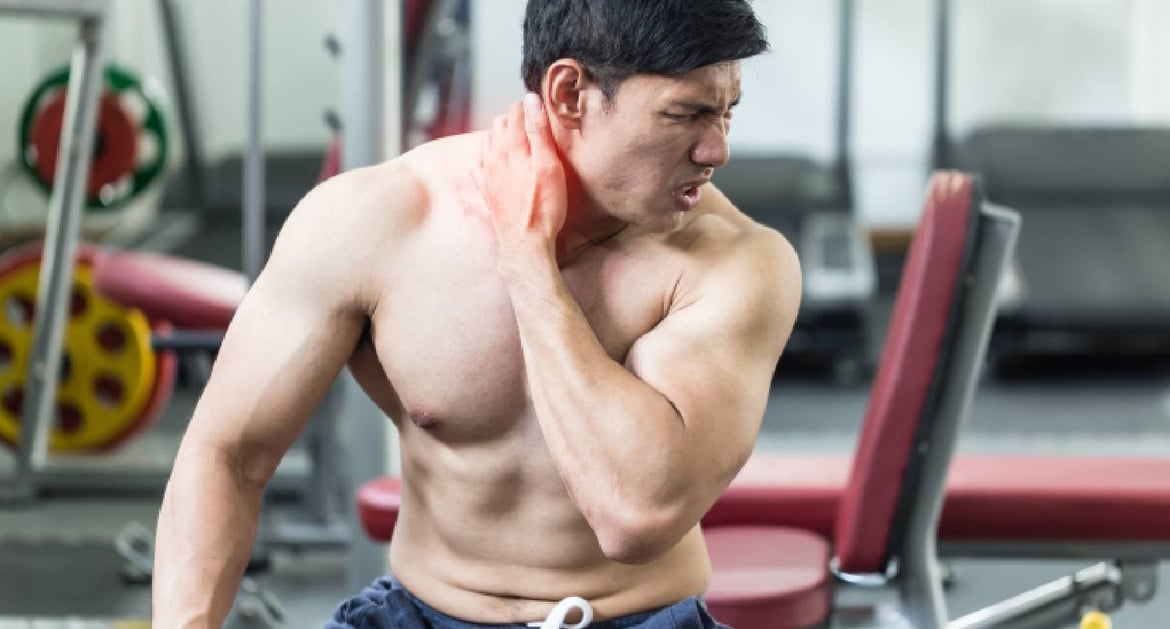

Have you ever found yourself wincing in pain when going up or down the stairs the day after a serious squat session? This “sweet pain” after exercise is actually proof that your muscles are rebuilding and getting stronger. If you love working out or exercise regularly, you’ve probably experienced muscle soreness at some point. Typically, muscle soreness is caused by poor exercise posture or overusing your muscles. Below, we’ll explore how to alleviate muscle soreness.
Why Do We Experience Muscle Pain? The Difference Between Soreness and Strain
Muscle pain is a common condition, typically resulting from physical activity or overuse. It can affect your daily life. Both muscle soreness and muscle strain cause discomfort, but what’s the difference?
Muscle Soreness
Muscle soreness is usually caused by minor muscle injuries sustained during exercise, leading to discomfort. This symptom typically appears 24–48 hours after working out, with the muscles feeling sore and tight. The discomfort usually subsides within about a week and often doesn’t require medical treatment. In fact, muscle soreness after weight training is an important part of muscle growth.
Muscle Strain
Muscle strain, on the other hand, occurs immediately after exercise. Depending on the severity, strains can be classified as mild, moderate, or severe. In addition to soreness, symptoms may include sharp pain, inflammation, and muscle weakness. These symptoms often persist for more than a week.
The effects and treatments for these two conditions differ. It’s important to determine whether you’re experiencing muscle soreness or a strain before starting treatment, so you can address the symptoms effectively. If you have muscle soreness, rest, massage and applying hot compress can help relieve symptoms. If you are suffering from inflammation due to a strain, you may require anti-inflammatory medication, physiotherapy, or even surgery. It’s best to consult your doctor for professional advice and treatment.
What Causes Muscle Pain?
Recovery from muscle pain takes time and the right approach. The main causes include:
- Overuse of muscles
Excessive use of muscles or maintaining the same posture for extended periods can lead to fatigue and tension, resulting in pain.
- Injury
Muscle injuries, such as strains or sprains, can cause pain. - Post-exercise recovery
After working out, muscles need time to repair and rebuild, which can lead to soreness. - Overstretching
Excessive stretching during exercise can also cause pain, especially if it leads to a strain. - Dehydration
Actively working skeletal muscles have increased metabolic demands and water and electrolytes are essential elements for heat regulation, proper blood flow and excretion of metabolic by-products.

Is Chest Pain After Exercise Normal?
Intense workouts and weightlifting can sometimes cause chest pain due to overstretching or straining the muscles around the chest. If the chest pain is due to muscle strains, it usually improves gradually with adequate rest and time. However, if chest pain is persistent and accompanied by light-headedness, shortness of breath, radiation to the jaw or neck, especially for the elderly and people with pre-existing cardiovascular conditions, it is advised to seek medical help immediately to rule out cardiac causes of chest pain.
How Does Muscle Pain Affect Daily Life?
- Exercise performance
Pain can hinder your ability to train effectively, making exercise more challenging. - Daily activities
Tasks like walking or climbing stairs may become uncomfortable. - Sleep quality
Discomfort may reduce sleep quality and make it harder to rest properly.
5 Ways to Relieve Muscle Pain
- Physiotherapy: Physiotherapists can identify the cause of your muscle pain and design a personalised treatment plan, e.g. muscle relaxation exercises to relieve muscle pain.
- Gentle exercise: Try activities like yoga or walking.
- Massage: Helps release muscle tension and reduce fatigue.
- Regular stretching: Do Full body Stretching regularly helps Improve muscle flexibility.
- Hot or cold therapy: Depending on the situation, apply heat or cold packs to the affected muscle (each session should not exceed 10 minutes).
|
|
Heat Therapy |
Cold Therapy |
|
Benefits |
|
|
|
How it works |
Dilates blood vessels to boost local circulation, removing waste from repairing tissues |
Constricts blood vessels to slow down circulation, reducing spread of inflammatory substances and promoting healing of the affected areas |
|
Suitable for |
Chronic inflammation and pain, muscle strains from poor posture, muscle fatigue or spasms |
Acute injuries like strains, sprains, bruises without open wounds, gout |
|
Methods |
Use a hot pack, hot towel, or hot-water bag with a cloth barrier to prevent burns |
Use a damp towel chilled in the fridge or wrap ice in a cloth. Avoid applying ice directly to the skin
|
|
Commonly used for |
Chronic injuries (usually more than three months) |
Acute injuries (usually from a few hours or days to two weeks) |
OT&P Healthcare Advice
Muscle pain can affect your daily life, but with proper rest and treatment, recovery can be accelerated and discomfort reduced. While anyone can experience muscle pain, it’s especially common among athletes, people who sit for long periods, those with poor posture, or those who don’t exercise regularly. If your muscle pain is severe or persists for an extended period and/or experiencing other symptoms such as light-headedness or shortness of breath, please consult a doctor or physiotherapist to determine the best management for you. If you have any concerns, feel free to book an appointment with our physiotherapists for further advice.

Victor Chan
- RPT(H.K.)
- RPT(U.K.)
- BSc Hon in Physiotherapy, University of Birmingham
Health Articles by Victor Chan
References
1. 豐榮醫院.【冰敷時機&熱敷時機】1張圖秒懂-受傷後何時冰敷? 何時熱敷? Retrieved July 7, 2023 from https://frhosp.rghealth.com.tw/%E5%86%B0%E6%95%B7%E7%86%B1%E6%95%B7%E4%BD%BF%E7%94%A8%E6%99%82%E6%A9%9F/
2. 香港紅十字會. 冷敷定熱敷?Retrieved July 7, 2023 from https://www.redcross.org.hk/tc/HCS/Feature4.html
3. Perfect Health. 【肌肉痛】筋膜發炎令你肌肉痛!認識纖維肌痛症:全身肌肉酸痛但找不到原因?教你5個方法舒緩肌肉酸痛!Retrieved July 7, 2023, https://perfecthealthclinic.com/blog/remedies-for-common-pain/muscle-pain/
4. 運動視界. 肌肉發炎了好痛!發炎就是罪魁禍首嗎?Retrieved July 7, 2023 from https://www.sportsv.net/articles/89231
5. Cleveland Clinic. Musculoskeletal Chest Pain. Retrieved May 28, 2025, from https://my.clevelandclinic.org/health/symptoms/musculoskeletal-chest-pain
6. Cleveland Clinic. Chest Pain. Retrieved 21 July 2025 from https://my.clevelandclinic.org/health/symptoms/21209-chest-pain
7. AARP. 8 Signs of Dehydration You Shouldn’t Ignore. Retrieved 21 July 2025 from https://www.aarp.org/health/conditions-treatments/dehydration-in-older-people/
Victor Chan
- RPT(H.K.)
- RPT(U.K.)
- BSc Hon in Physiotherapy, University of Birmingham