
 Central General Practice
 Repulse Bay
 Clearwater Bay
 BodyWorX Clinic
 Central Specialist Clinic
 MindWorX Clinic
 Family Clinic
 OT&P Annerley Midwives Clinic
 WellWorX Clinic

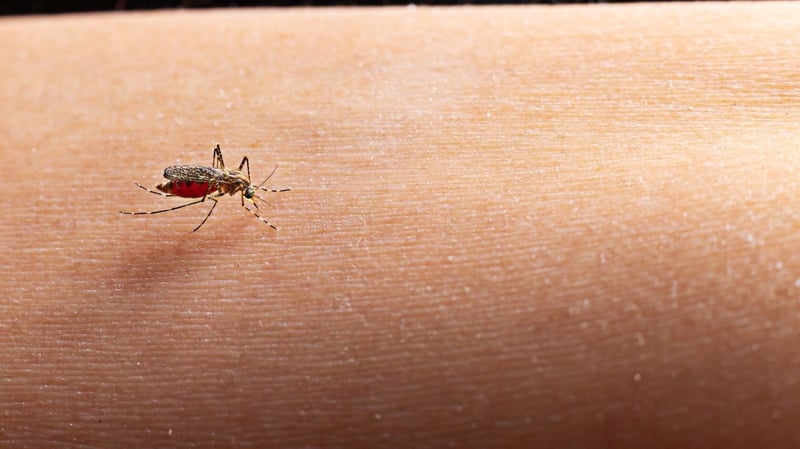
A significant outbreak of Chikungunya fever has emerged in Foshan city of Guangdong Province recently. As of 3 August 2025, over 7,700 confirmed cases have been reported. With climate change and increased human activity, the risk of mosquito-borne diseases is rising. Chikungunya fever is caused by a virus transmitted through mosquito bites. While most individuals recover fully, joint pain can persist for months or even years, affecting quality of life.
This article provides an in-depth look at how Chikungunya fever spreads, its symptoms, and how to prevent infection, helping the public stay vigilant and take effective precautions.
Is Chikungunya Fever Contagious?
Chikungunya fever is not transmitted from person to person. It is caused by the Chikungunya virus (CHIKV), which is primarily spread through the bites of infected female Aedes mosquitoes (which can also transmit the dengue and Zika viruses). After biting an infected individual, the virus replicates within the mosquito and can then be passed on to other people through subsequent bites. In rare cases, the virus can be transmitted from mother to newborn around the time of birth.
Modes of Transmission:
- Bite from an infected mosquito
- Mother-to-child transmission (rare)
Although the vector Aedes aegypti is not found in Hong Kong, the locally common Aedes albopictus is also capable of transmitting the virus. These mosquitoes are most active during daylight hours, with the peaks of activity in the early morning and late afternoon.
![[MKT]Website Blog Photo (1)](https://www.otandp.com/hs-fs/hubfs/%5BMKT%5DWebsite%20Blog%20Photo%20(1).jpg?width=311&height=175&name=%5BMKT%5DWebsite%20Blog%20Photo%20(1).jpg)
Incubation Period and Symptoms of Chikungunya fever
The incubation period ranges from 2 to 12 days, with symptoms typically appearing 3 to 8 days after infection.
The name “Chikungunya” originates from the Kimakonde language of southern Tanzania, meaning “to become contorted or bent,” and describes the stooped posture caused by joint pain.
Common symptoms include:
Most symptoms resolve within a few days. However, around 40% of patients may develop chronic Chikungunya arthritis, with joint pain lasting months or even years.
Severe complications or fatalities are rare and usually linked to other co-existing health conditions. In some cases, the virus can lead to severe complications of the eyes, heart, or nervous system. Newborns, older adults, and patients with chronic diseases are more susceptible to severe disease.
Treatment Options of Chikungunya fever
There is currently no specific antiviral treatment for Chikungunya fever.
Management focuses on relieving symptoms:
- Antipyretics for fever
- Analgesics for pain
- Drinking plenty of fluids
- Adequate rest
Non-steroidal anti-inflammatory drugs (NSAIDs) such as aspirin, ibuprofen, or naproxen should be avoided until dengue is ruled out to minimise the risk of bleeding.
Seek medical attention promptly if symptoms persist or worsen.
Prevention Strategies
Scientific evidence suggests that individuals who recover from Chikungunya develop immunity against future infections.
Two vaccines have been approved by regulatory authorities for high-risk groups but are not yet widely available.
As no vaccine is currently registered in Hong Kong, the best prevention is to avoid mosquito bites and prevent mosquito proliferation.
Preventing Mosquito Bites
- Wear loose-fitting, light-coloured long sleeves and trousers.
- Apply DEET-containing insect repellent to exposed skin and clothing
- Pregnant women: use a concentration of DEET up to 30%
- Children over 6 months: use a concentration of DEET up to 10%
- Avoid cosmetics or skincare products with strong fragrance during outdoor activities and reapply insect repellent per product instructions. If both insect repellent and sunscreen are used, apply insect repellent after sunscreen.
- Window and door screens to prevent mosquitoes from entering homes.
- Insect repellent or insecticide-treated mosquito nets are also effective barriers against mosquito bites.
Preventing Mosquito Breeding
- Eliminate stagnant water
- Change water in vases weekly
- Avoid using saucers under plant pots
- Cover water containers tightly
- Clear water from air conditioner drip trays
- Dispose of empty cans and bottles properly
- Do regular surveillance for stagnant water in the home
- Maintain environmental hygiene
- Store food securely
- Dispose of rubbish regularly
Travel Advice
Before traveling to areas where mosquito-borne diseases are prevalent, consult a doctor at least six weeks prior to departure and take the following precautions:
- Use DEET-based insect repellent (≤30%) for children aged two months and older
- Carry portable mosquito nets and treat it with permethrin (Do not apply to skin)
- Continue using insect repellent for 14 days after returning to Hong Kong
- Seek medical advice promptly if symptoms such as fever develop, and inform your doctor of your travel details
Mosquito Control Is The Key To Preventing Infections
Although Chikungunya fever is rarely fatal, its symptoms can be long-lasting and disruptive. By understanding how the virus spreads and adopting effective mosquito control measures, individuals can significantly reduce their risk of infection. Whether at home or abroad, staying vigilant and taking protective steps are essential for safeguarding your health.

References
- 衛生防護中心, (2025) 香港錄得的外地傳入基孔肯雅熱個案受感染的地方以及鄰近及海外國家及地區的基孔肯雅熱最新情況. Retrieved 6 August 2025 from https://www.chp.gov.hk/files/pdf/cf_imported_cases_and_overseas_figures_chi.pdf
- Centre for Health Protection, (2025) Chikungunya Fever. Retrieved 6 August 2025 from https://www.chp.gov.hk/en/healthtopics/content/24/6122.html
- Mayo Clinic, (2025) What is chikungunya fever, and should I be worried? Retrieved 6 August 2025 from https://www.mayoclinic.org/diseases-conditions/infectious-diseases/expert-answers/what-is-chikungunya-fever/faq-20109686
- World Health Organization, (2025) Chikungunya. Retrieved 6 August 2025 from https://www.who.int/news-room/fact-sheets/detail/chikungunya


-1.png?length=500&name=%5BMKT%5DWebsite%20Blog%20Photo%20(39)-1.png)

