 Central General Practice
 Repulse Bay
 Clearwater Bay
 BodyWorX Clinic
 Central Specialist Clinic
 MindWorX Clinic
 Family Clinic
 OT&P Annerley Midwives Clinic
 WellWorX Clinic
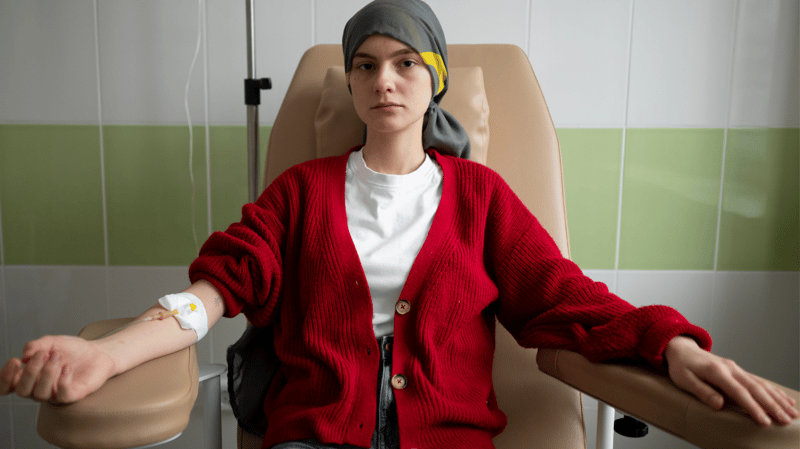
When it comes to cancer, the leading cause of death in Hong Kong, knowledge truly is power. Specifically, understanding the types of cancers and the available treatment options can facilitate a more informed and effective treatment pathway.
Cancer is an overarching term used to define abnormal cell growth and mechanisms, but it can be broken down into two broad categories: solid tumours and liquid blood cancers. These two types of cancers manifest differently and affect different parts of the body. They also have discrepancies regarding treatment options, which is why understanding the difference between cancerous or solid tumours and blood cancer is crucial for more effective treatments.
What Is Cancer?
Before exploring the various ways cancer may manifest, it’s essential to understand the defining characteristics that distinguish something as cancerous or malignant.
All types of cancer begin in the cells. The cells in the body group together to form tissues and organs, but within each cell are genes that instruct it when to grow, divide, work, and die. When your cells follow these directions, you remain healthy. However, in some cases, your cells may get erroneous or mixed-up instructions, causing them to continuously grow and divide out of control, or not die when they are supposed to (called “apoptosis” or programmed cell death). While this continues, lumps in the body called tumours can form.
Not all tumours are cancerous, though; some types are considered benign. They can grow large and bulky, but they remain in one place and do not invade adjacent tissues or spread to other parts of the body. Once removed, they also do not typically come back.
How Is Cancer Named?
Cancers are named after the body part from which they start. For example, cancer that begins in the skin is called skin cancer. Even if it progresses and spreads to the lungs, it is still considered to be made up of skin cancer cells, but with lung metastases.
Comparison: Solid Tumours vs. Blood Cancers
|
Solid Tumours (Cancerous Tumours) |
Blood Cancers (Liquid Cancers) |
|
|
Physical Form |
Forms distinct lumps or masses. |
Circulates as individual cells; no physical mass. |
|
Primary Location |
Solid or hollow organs (Breast, Lung, Liver, Intestines). |
Bloodstream, bone marrow, and lymphatic system. |
|
Spread (Metastasis) |
Starts in one area and spreads to other tissues over time. |
Systemic and widespread from the moment of onset. |
|
Common Diagnostic modalities |
Biopsy of the mass, Mammograms, CT/MRIs, and Colonoscopies. |
Bone marrow biopsy, Complete Blood Count (CBC), and Peripheral blood smear tests. |
|
Treatment Options |
Surgery is a primary option to remove the localised mass. |
Surgery is generally not an option and treatments may include radiation therapy, chemotherapy, stem cell transplantation, and targeted therapies. |
|
Examples |
Carcinoma, Sarcoma, Melanoma. |
Leukaemia, Lymphoma, Multiple Myeloma. |
Types of Cancer
Cancers are often named after the part of the body where they originate, but they may also be named after the type of tissue they start in or have a scientific name.
|
Cancer Type |
Origin (Primary Site) |
Affected Tissues/Cells |
|
Carcinoma |
Skin or organ linings |
Epithelial tissues that cover internal organs and the body's exterior. |
|
Sarcoma |
Connective tissues |
Supportive structures including bone, muscle, cartilage, fat, and blood vessels. |
|
Melanoma |
Pigment cells |
Melanocytes, the cells responsible for producing melanin (skin pigment). |
|
Leukaemia |
Bone marrow |
The blood-forming tissues where abnormal white blood cells are produced. |
|
Lymphoma |
Immune system |
Lymphocytes, the infection-fighting cells of the lymphatic system. |
|
Multiple Myeloma |
Plasma cells |
A specific type of white blood cell produced in the bone marrow. |
The most frequently diagnosed cancers in Hong Kong include lung cancer, breast cancer, colorectal cancer, prostate cancer, and liver cancer. All of these types of cancer are considered solid cancers.
Blood cancers like leukemia and lymphoma are more common in children and the elderly, with blood cancers being the most common type of cancer affecting children.
Why Is It Important to Know Cancer Type?
While cancer itself is an overarching medical diagnosis, the specifics of the disease, such as the type of cancer, its stage, and its progression, are critical bits of information when it comes to treatment, quality of life and life expectancy.
With solid cancers, there is a single tumour at which treatment can be targeted. In comparison, blood cancers, being more widespread, often require treatment with a broader target range, and they are generally more challenging to treat. Some of the treatments for blood cancers may include radiation therapy, chemotherapy, stem cell transplantation, and targeted therapies. Unlike solid tumours, however, surgery is not a primary treatment option for blood cancers.
Diagnosing Cancer Types
According to the Hong Kong Cancer Registry, solid tumours, specifically colorectal, lung, and breast cancers, are the city's leading health concerns. Liquid blood cancers also represent a significant local burden, often requiring different detection strategies
There are similarities and differences with regards to how solid tumours and blood cancers are diagnosed. In both cases, the patient’s general health and family’s medical history is evaluated. Some cancers have strong familial predispositions breast cancer and prostate cancer, while symptoms such as unexplained weight loss, fatigue or pain may be indicators of cancer within the body. And other cancers have visible identifiers, such as suspicious lesions on the skin being a possible sign of skin cancer.
The diagnostic process may also be initiated based on the results from screening tests, such as colonoscopies and mammograms, which can detect tumours. Following this, a biopsy is done where the collected tissue samples are subjected to laboratory examination to determine whether the tumour is cancerous or not.
Blood cancers are usually diagnosed through biopsy of the bone marrow, where the different types of blood cells are produced, such as the red blood cells (for oxygen and carbon dioxide transport) and the white blood cells (that form part of the immune system).
Blood tests, as well, can provide key information for the diagnostic process of both solid and liquid cancers. Specifically, a complete blood count (CBC) reveals the cell counts of various blood cells, including red blood cells, white blood cells, and platelets. If any of these counts fall outside the normal range, it can signify a need for further investigation.
Regardless of the type of cancer, your doctor will take due professional assessment to determine the type and stage of the cancer, as this is key information for devising an effective treatment plan.
Understanding Tumours vs. Blood Cancers
While all cancers originate in cells, they can manifest differently within the body. Solid tumours are the most common manifestation of cancer, and they can affect collections of cells throughout the body. In the earliest stages, they remain within one body part, but if the cancer progresses, it can spread to other organs and tissues in the body.
In comparison, from the beginning, blood cancer travels throughout the body via the circulatory pathways. Because of this, it can be harder to treat since surgery is not an option.
For any type of cancer, your doctor will take care of proper and careful evaluation to diagnose the type and stage of your cancer. If you are concerned about your health, do not hesitate to reach out to a healthcare practitioner.

References
1. Cancer.gov.hk. (2025). Cancer Online Resource Hub - Cancers in Hong Kong - Overview of Cancer Statistics in Hong Kong. Available at: https://www.cancer.gov.hk/en/hong_kong_cancer/overview_of_cancer_statistics_in_hong_kong.html.
2. World Health Organization. (2019). Cancer. Available at: https://www.who.int/health-topics/cancer#tab=tab_1.
3. Patel, A. (2020). Benign vs Malignant Tumors. JAMA Oncology, 6(9), p.1488. doi:https://doi.org/10.1001/jamaoncol.2020.2592.
4. Seth, R. and Singh, A. (2015). Leukemias in Children. The Indian Journal of Pediatrics, 82(9), pp.817–824. doi:https://doi.org/10.1007/s12098-015-1695-5.
5. Leukemia and Lymphoma Society. (2025). Understanding Blood Cancers and Treatment Options. Available at: https://www.lls.org/support-resources/caregiver-support/understanding-blood-cancers-and-treatment-options.


-1.png?length=500&name=%5BMKT%5DWebsite%20Blog%20Photo%20(40)-1.png)