 Central General Practice
 Repulse Bay
 Clearwater Bay
 BodyWorX Clinic
 Central Specialist Clinic
 MindWorX Clinic
 Family Clinic
 OT&P Annerley Midwives Clinic
 WellWorX Clinic


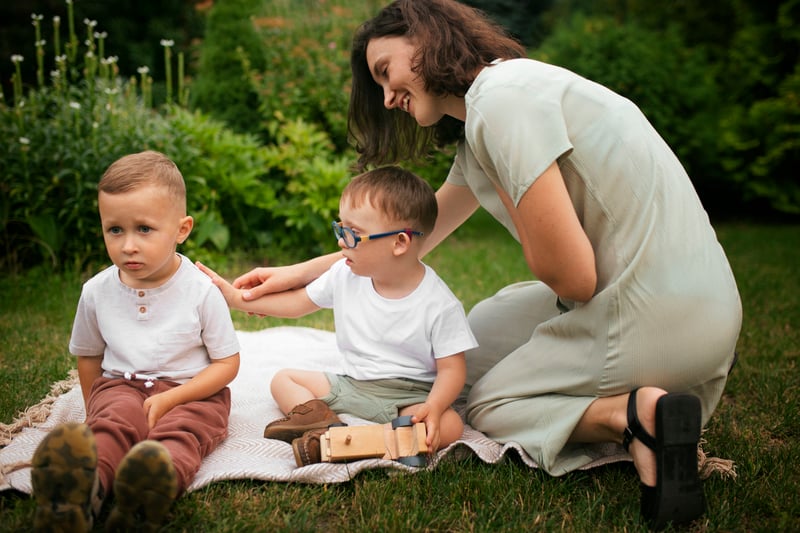
Some children may appear outgoing and playful at home but become extremely shy and reluctant to speak to strangers, classmates, or teachers. Parents often assume their child is simply shy or slow to warm up to others. However, if this behaviour persists for over a month and begins to affect their learning or social interactions, it may indicate Selective Mutism (SM). Without timely intervention, this condition could extend into adulthood.
How Common is Selective Mutism in Children?
According to the NHS, approximately 1 in 140 children is affected by Selective Mutism. Symptoms typically appear by the age of five or earlier, with girls being twice as likely as boys to develop the condition.
While public hospital data in Hong Kong shows fewer than 100 recorded cases at Queen Mary Hospital's Child and Adolescent Psychiatry Outpatient Clinic over the years, hidden cases likely remain in the community. Children with Selective Mutism generally possess basic verbal communication skills, leading parents and those around them to mistakenly assume the child is merely shy or slow to warm up. However, they may experience physiological anxiety responses in unfamiliar environments, such as increased heart rate, trembling, sweating, or a "freeze" reaction. These responses can severely impact their academic and social interaction in the long term.
What Causes Selective Mutism in Children?
The exact causes of Selective Mutism remain unclear, but both genetic and environmental factors likely play a role. Inherited factors include family genetics, such as a history of anxiety disorders within the family. Environmental factors, on the other hand, may include overprotective parenting, the loss of a family member, immigration, or frequent relocations. These environmental stressors can heighten anxiety levels, increasing the likelihood of young children developing Selective Mutism.
Symptoms of Selective Mutism in Children
- Stiff or frozen posture, as if unable to move.
- Confused expressions, dependency, or withdrawal; avoiding eye contact.
- Have normal language skills but inability to speak in certain social settings.
- Communicating through nodding, shaking their head, facial expressions, or gestures rather than speech. More confident children with selective mutism can communicate with gestures and nodding, but less confident children may find it difficult.
- Avoiding asking for things they need, potentially leading to discomfort or incontinence.
- Refusing to participate in group activities.
- Appearing indifferent or angry when pressured to speak.
FAQs About Selective Mutism
1. Is Selective Mutism the same as Autism?
No. Selective Mutism is an anxiety disorder while Autism is a developmental disorder. Child with Selective Mutism is unable to speak in specific situations due to nervousness but can speak normally in familiar environments. Autism involves broader difficulties with social interaction and language development.
2. Is Selective Mutism a lifelong condition?
With appropriate treatment and parental support, most children with SM can gradually overcome their anxiety and regain natural communication skills.
3. Is Selective Mutism inherited from parents' personality traits?
While a family history of anxiety disorders can be a factor, environmental pressures—such as difficulty adjusting to school, separation anxiety, or other stressors—play a larger role.
4. Will children with Selective Mutism fall behind in life?
No. These children simply require more time and a sense of security to express themselves. With understanding and patience, they can excel academically and socially, and their condition does not hinder adult development.
5. How is Selective Mutism different from shyness?
Children have different personalities, and for girls who tend to be quiet in public, parents may easily mistake their behaviour as shyness, difficulty adapting to a new environment, or even assume they are simply “well-behaved”. In reality, shyness and selective mutism are distinctly different conditions.
| Shyness | Selective Mutism | |
| Interaction with strangers | Initially quiet, later speaks freely | Persistent silence, even after familiarity |
| Speaking ability | Gradual and natural in any setting | Unable to speak in specific situations |
| Social impact | Temporary | Lasts over a month, affecting confidence and academics |
| Physical reaction | Mild nervousness | Blushing, stiff body, avoiding eye contact, rapid heartbeat |
In summary, shyness is a personality trait, while Selective Mutism is an anxiety disorder. If a child remains silent for over a month (excluding their first month in a new setting), consult a doctor promptly. Without intervention, SM will not resolve naturally and may lead to depression over time.
How to Help a Child with Selective Mutism?
Early intervention can significantly reduce the severity and frequency of symptoms. Effective treatments and strategies include:
1. Behavioural Therapy
Helps children identify and challenge negative thoughts and beliefs. They learn techniques to manage anxiety, build confidence, and develop a positive self-image.
2. Cognitive Behavioral Therapy (CBT)
With gradual exposure and positive reinforcement to build communication and confidence.
3. School Support
Collaboration between mental health professionals, schools, and social workers can create tailored learning plans, including social skills training, for affected students.
4. Speech Therapy
Speech therapists evaluate the child’s language and communication abilities and design personalised treatment plans to enhance their verbal interaction skills.
5. Family Therapy
Helps family members understand and support the child’s needs. Parents can create a safe and encouraging home environment by engaging in activities like playing, drawing, or storytelling to help the child practise expressing themselves in a relaxed setting.

Final Thoughts
Selective Mutism is not about shyness, stubbornness, or autism—it is an anxiety-driven condition. Early identification, parental understanding, and professional treatment can help most children overcome their challenges. If you suspect your child has Selective Mutism, seek professional advice early.


Neelam Hiranandani

References
- NHS. (2023, February 17). Selective mutism. Retrieved May 23, 2024, from https://www.nhs.uk/mental-health/conditions/selective-mutism/
- Cleveland Clinic. (2023, February 10). Selective mutism. Retrieved May 23, 2024, from https://my.clevelandclinic.org/health/diseases/selective-mutism
- Edge Development Centre. (n.d.). 心理學堂. Retrieved May 23, 2024, from https://www.edgedc.org/psychology
- Hospital Authority. (n.d.). 醫院管理局臨床心理服務簡介 [PDF file]. Retrieved May 23, 2024, from https://www.ha.org.hk/haho/ho/cc/278256c.pdf
- 醫院管理局. (2024, November 15). 信報有口難言「緘默症」協助學童建立對答技巧. Retrieved May 23, 2024, from https://www.ha.org.hk/
- Eugene Baby. (2023, February 14). 【湊仔學堂】小朋友唔出聲可能選擇性緘默症. Retrieved May 23, 2024, from https://www.eugenebaby.com/articleList/%E8%82%B2%E5%85%92%E8%B3%87%E8%A8%8A/%E5%B0%8F%E6%9C%8B%E5%8F%8B%E5%94%94%E5%87%BA%E8%81%B2%E5%8F%AF%E8%83%BD%E9%81%B8%E6%93%87%E6%80%A7%E7%B7%98%E9%BB%98%E7%97%87


-1.png?length=500&name=%5BMKT%5DWebsite%20Blog%20Photo%20(39)-1.png)