
 Central General Practice
 Repulse Bay
 Clearwater Bay
 BodyWorX Clinic
 Central Specialist Clinic
 MindWorX Clinic
 Family Clinic
 OT&P Annerley Midwives Clinic
 WellWorX Clinic
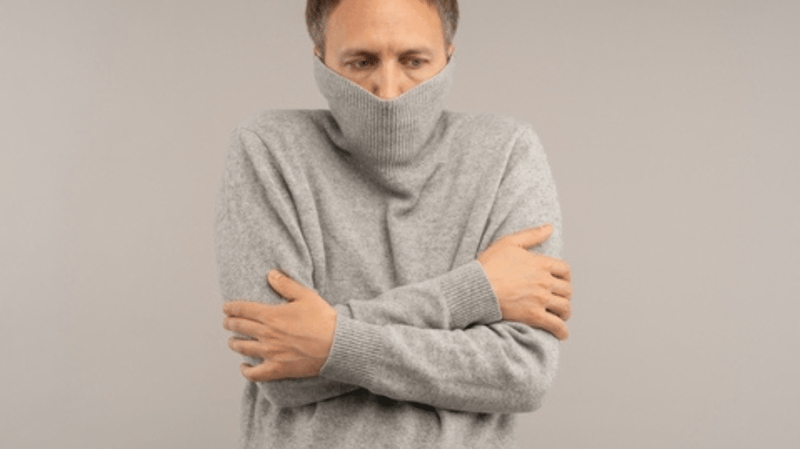
Hypothermia (低溫症) is a life-threatening condition that occurs when the body loses heat faster than it can produce or absorb, causing a dangerous drop in core temperature. Hypothermia is commonly associated with cold weather or prolonged exposure to cold environments and poses serious health risks. Understanding the causes, symptoms and treatments of hypothermia is crucial for staying safe in extreme temperatures.
Causes of Hypothermia
Hypothermia (low body temperature) occurs when the body’s core temperature drops below 35°C (95°F). This can happen due to:
- Cold Weather Exposure: Prolonged exposure to freezing or cold, wet conditions, such as during outdoor activities or accidents.
- Inadequate Clothing: Wearing insufficient clothing in cold weather increases heat loss.
- Immersion in Cold Water: Falling into cold water or prolonged swimming in cold water can rapidly lower body temperature.
- Wind Chill: Strong winds can strip away body heat even in moderately cold temperatures.
- Medical Conditions: Certain conditions like hypothyroidism, diabetes, or malnutrition can make individuals more prone to hypothermia.
- Alcohol and Drug Use: Alcohol and some drugs impair the body’s ability to retain heat and recognise cold exposure.
- Overdosage from medications such as beta-blockers (for high blood pressure), opioids (such as meperidine) and general anaesthetics
Symptoms of Hypothermia
Recognising the symptoms of hypothermia early can save lives. Common signs include:
Mild Hypothermia (Core body temperature: 32 to 35°C):- Shivering
- Cold and pale skin
- Fatigue or drowsiness
- Numbness in extremities (fingers, toes, ears, or nose)
- Increased urination
- Slurred speech
- Confusion or memory loss
- Loss of coordination (e.g., stumbling or difficulty walking)
- Slow, shallow breathing
- Weak pulse
- Unconsciousness
If left untreated, severe hypothermia (core body temperature <28°C ) can lead to life-threatening complications such as heart failure, fatal arrhythmias, pulmonary congestion, organ damage or cardiorespiratory arrest.

Hypothermia Treatment
Immediate action is critical to treat hypothermia effectively:
- Get to a Warm Environment: Move the person to a dry, warm location as quickly as possible.
- Remove Wet Clothing: Replace wet clothing with dry, insulated layers to retain body heat.
- Provide Warm Fluids: If awake and able to follow commands, offer warm, non-alcoholic, and non-caffeinated drinks to help raise internal body temperature.
- Use Warm Blankets or Heating Devices: Wrap the person in blankets or use heating pads on the chest, neck, or groin to warm the core. Avoid direct heat, such as hot water bottles, as it can damage cold skin.
- Monitor Breathing: If the person is unconscious/unresponsive or not breathing, begin CPR immediately and seek immediate help nearby and call for emergency medical assistance.
Difference Between Hypothermia and Hyperthermia
Hypothermia and hyperthermia are they the same? Although hypothermia and hyperthermia are both temperature-related conditions, they are fundamentally different:
|
Aspect |
Hypothermia |
Hyperthermia |
|
Definition |
Body temperature rises above 38°C (100.4°F). |
|
|
Causes |
Prolonged cold exposure, wet conditions, or wind chill. |
Excessive heat exposure, dehydration, infections or inflammation, or overexertion in hot and/or humid weather or environments. |
|
Symptoms |
Shivering, confusion, slurred speech, weak pulse. |
Heavy sweating, dizziness, nausea, rapid pulse, loss of coordination. |
|
Treatment |
Gradual warming, warm fluids, dry clothing. |
Cooling the body, hydration, moving to a cool area. |
Even at mild to moderate levels, both conditions can deteriorate fast and become medical emergencies that would require prompt attention to prevent severe complications.
Winter Safety in Hong Kong
While Hong Kong is known for its humidity, winter months can also bring risks for hypothermia, particularly for the city's active outdoor community. On popular trails like Tai Mo Shan or the Lantau Peak, the "Real Feel" temperature is often significantly lower than urban forecasts due to high wind chill and exposed ridges.
When hiking in winter, dampness from light rain or even heavy mist can accelerate heat loss. It is important to carry a windproof outer layer and avoid cotton clothing, which traps moisture and conducts heat away from the body.
Understanding the HK Cold Weather Warning
The Hong Kong Observatory (HKO) typically issues a Cold Weather Warning when temperatures in urban areas are expected to drop to 12°C or below. This urban measurement can be misleading for residents in different environments, with temperatures in areas like Fanling or Yuen Long going as much as 2–4°C lower than in Central. When deciding on the Cold Weather Warning, the HKO takes wind chill into account, but coastal areas and mountain ridges will experience much sharper temperature drops.
Home Safety During the Colder Months
Most Hong Kong homes lack central heating, making indoor hypothermia a genuine risk during cold snaps, especially for the elderly and the very young.
Place heaters away from combustible materials. If using gas water heaters, ensure adequate ventilation. A common mistake in cold weather is sealing all windows, which significantly increases the risk of carbon monoxide poisoning.
How to Survive Hypothermia
Preventing and surviving hypothermia involves preparation and quick action:
- Dress Appropriately: Wear layers of insulated, waterproof clothing in cold weather. Protect extremities with gloves, hats, and warm socks.
- Stay Dry: Wet clothing accelerates heat loss. Change into dry clothes immediately if you get wet.
- Limit Exposure: Avoid staying for long periods outdoors in extreme cold or windy conditions .
- Carry Emergency Supplies: When hiking or camping, carry thermal blankets, waterproof matches, and extra layers of clothing.
- Stay Nourished and Hydrated: Eat energy-rich foods and drink water to maintain body heat. Avoid alcohol or caffeine.
- Know the Signs: Learn to recognise early symptoms of hypothermia and act quickly to prevent it from worsening.
- Seek Help: If you or someone else shows signs of hypothermia, seek medical attention immediately.
- Know the Weather Forecast: Knowing weather conditions and warnings is essential prior to any planned outdoor activities, especially if travelling to areas that are not easily accessible.
Hypothermia is an extreme condition that results from the body’s inability to regulate its temperature. Hypothermia, caused by cold exposure, can be life-threatening if not treated promptly. Understanding its causes, symptoms, and treatments, along with knowing how it differs from hyperthermia, is vital for staying safe in extreme weather conditions. By preparing adequately and acting quickly, you can prevent and survive hypothermia, ensuring your safety in challenging environments.

References
- Mayo Clinic. Hypothermia. 13 Dec 2024 Retrieved from https://www.mayoclinic.org/diseases-conditions/hypothermia/symptoms-causes/syc-20352682
- Cleveland Clinic. Hypothermia. 13 Dec 2024 Retrieved from https://my.clevelandclinic.org/health/diseases/21164-hypothermia-low-body-temperature
- PennMedicine. Hypothermia. 13 Dec 2024 Retrieved from https://www.pennmedicine.org/for-patients-and-visitors/patient-information/conditions-treated-a-to-z/hypothermia

-1.png?length=500&name=%5BMKT%5DWebsite%20Blog%20Photo%20(40)-1.png)

-2.png?length=500&name=%5BMKT%5DWebsite%20Blog%20Photo%20(35)-2.png)
